
Skip to content

Best Folding Solar Panels for Overlanding - Nature's Generator

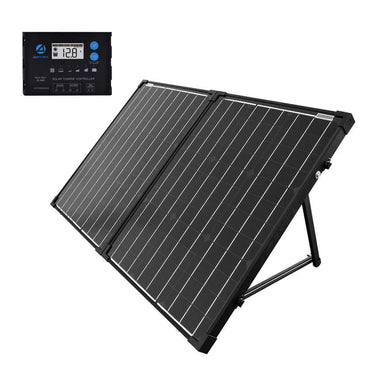
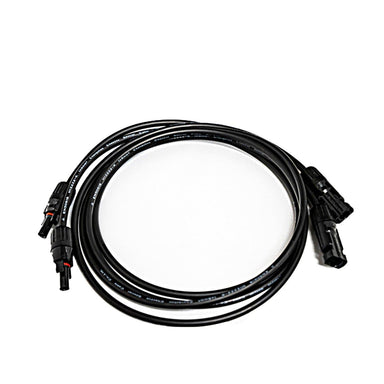
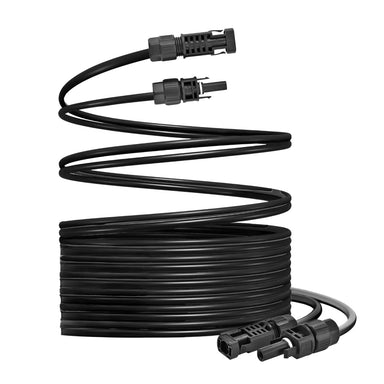
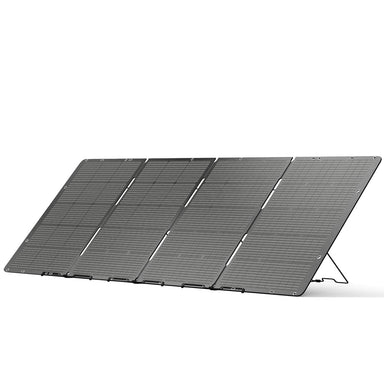
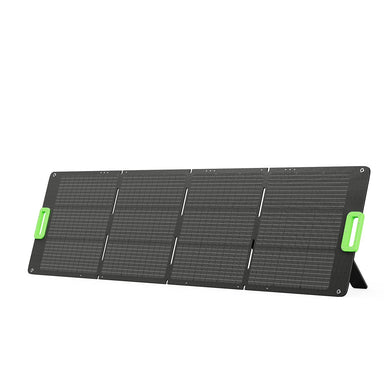
Powering your overlanding adventures requires reliable, portable energy solutions that withstand the rigors of off-road travel. Our curated collection of folding solar panels delivers the perfect balance of high-output performance and packable convenience for extended expeditions. Whether you're running a portable refrigerator through multi-day desert crossings, powering communication devices in remote mountain passes, or maintaining your house battery during weeks of backcountry exploration, these premium monocrystalline panels provide dependable off-grid electricity. Each panel features advanced ETFE coating for superior light transmission and scratch resistance, IP67 waterproof ratings to handle dust storms and rain, and rugged construction designed specifically for the vibration and impacts of overland travel. From compact 100W panels perfect for weekend warriors to powerful 400W systems for full-time overlanders, our selection includes trusted brands that have proven themselves on trails worldwide. Pair your panels with our professional-grade MC4 extension cables available in 5ft and 50ft lengths for flexible placement and optimal sun exposure. Stop compromising between power capacity and portability—discover folding solar panels engineered for the demands of serious overlanding.

Key Takeaways

  • Folding solar panels between 200W-400W provide optimal power for overlanding without sacrificing portability
  • ETFE coating and IP67 waterproof ratings ensure durability in harsh off-road conditions
  • Monocrystalline panels offer 15-20% better efficiency than polycrystalline in limited roof space
  • Quality MC4 extension cables (5ft-50ft) are essential for flexible panel placement and shade avoidance

What should you look for in folding solar panels for overlanding?

When selecting folding solar panels for overlanding, prioritize durability, efficiency, and portability. Look for monocrystalline cells which deliver superior efficiency (typically 20-22%) compared to polycrystalline alternatives, crucial when roof or ground space is limited. IP67 waterproof ratings ensure your panels withstand dust, mud, and rain encountered on remote trails. ETFE (Ethylene Tetrafluoroethylene) coating provides better light transmission and scratch resistance than standard PET materials, maintaining performance over years of rugged use. The ideal wattage depends on your power needs: 100W panels suit weekend trips with minimal electronics, while 200-400W panels handle extended expeditions with refrigerators, laptops, and communication devices. Consider weight and folded dimensions—panels should fit in your vehicle storage without compromising cargo space. Built-in kickstands, carrying handles, and protective cases enhance field usability. Finally, ensure compatibility with your power station or battery system through standard MC4 connectors for quick setup at camp.

How do you choose the right folding solar panel wattage for overlanding needs?

  • Calculate daily power consumption: Add up watt-hours for all devices (fridge: 40-60Wh, laptop: 50Wh, lights: 20Wh, phones: 15Wh) and multiply by usage hours to determine minimum panel wattage needed
  • Account for inefficiency factors: Solar panels operate at 70-80% efficiency in real-world conditions due to temperature, angle, and cloud cover—size up by 25-30% from your calculated needs
  • Match panel output to battery capacity: A 200Ah lithium battery (2,560Wh) pairs well with 400W panels for full recharge in 6-8 hours of good sunlight, while 100Ah systems work efficiently with 200W panels
  • Consider trip duration and season: Multi-week expeditions or winter travel with shorter daylight hours require higher wattage panels (300-400W) to maintain battery charge, while summer weekend trips can manage with 100-200W
  • Evaluate portability trade-offs: 400W panels weigh 25-35 lbs and fold to briefcase size, manageable for rooftop mounting but heavy for daily ground deployment—100-200W panels (15-20 lbs) offer better mobility for frequent repositioning

Frequently Asked Questions

Are foldable solar panels worth it?
Foldable solar panels are absolutely worth it for overlanding and off-grid adventures. Unlike rigid panels, they offer unmatched versatility—deploy them on the ground for optimal sun angle while your vehicle remains parked in shade, or mount temporarily on roof racks without permanent installation. Modern folding panels with monocrystalline cells and ETFE coating deliver efficiency comparable to rooftop systems (20-22%) while packing into compact cases that fit alongside recovery gear. The portability premium typically adds $0.50-$1.00 per watt compared to rigid panels, but the flexibility justifies the cost for overlanders who need adaptable power solutions. They're particularly valuable for renters, those who switch vehicles frequently, or travelers who fly to destinations and rent vehicles. The main consideration is durability—quality folding panels with IP67 ratings and reinforced hinges last 10-15 years, while budget options may fail within 2-3 seasons of rugged use. For dedicated overland vehicles with permanent roof racks, a hybrid approach works well: rigid panels for base power plus a folding panel for expanded capacity during extended stays.
What is the 33% rule in solar panels?
The 33% rule in solar panels refers to the guideline that your solar array wattage should be approximately 33% of your battery bank's amp-hour capacity (when converted to watts). For example, a 300Ah 12V battery bank (3,600Wh) would ideally pair with a 1,200W solar array (33% of 3,600). This ratio ensures you can fully recharge your battery bank during a typical 4-6 hour peak sunlight window while accounting for system inefficiencies. For overlanding specifically, this rule helps prevent the common mistake of undersizing solar capacity—a 200Ah lithium battery (2,560Wh at 12.8V) benefits from 800-850W of solar, though most overlanders successfully operate with 400-600W by managing consumption and accepting slower recharge times. The rule assumes lead-acid chemistry; lithium batteries can work with slightly lower ratios (25-30%) due to their higher charge acceptance rates. In practice, overlanders often can't achieve the full 33% due to space and weight constraints, making efficient monocrystalline panels and smart power management essential. Portable folding panels help bridge this gap by allowing you to supplement fixed panels during extended camps.
What is the 20% rule for solar panels?
The 20% rule for solar panels states that you should never discharge your battery bank below 80% of its capacity (keeping at least 20% reserve) to maximize battery lifespan and ensure power availability for emergencies. This rule primarily applies to lead-acid and AGM batteries, which suffer permanent damage from deep discharges—regularly draining below 50% can reduce their lifespan from 500 cycles to fewer than 200. For overlanding with lead-acid batteries, this means a 200Ah bank provides only 100Ah of usable capacity (50% depth of discharge), and you should stop drawing power at 120Ah remaining (20% buffer). Lithium batteries have largely changed this calculation—LiFePO4 batteries safely discharge to 10-20% regularly without degradation, offering 80-90% usable capacity. However, maintaining a 20% buffer remains smart practice for overlanding because it provides emergency power for vehicle starting, communication, or unexpected delays. Your solar panel sizing should account for this reserve: if you use 60Ah daily, you need panels capable of replacing that 60Ah plus compensating for inefficiencies, not just replacing to 80% capacity. The 20% rule also applies to panel positioning—even 20% shading on a panel can reduce output by 50-70% due to cell configuration, making shade-free placement critical.
Why are people getting rid of their solar panels?
While rooftop home solar panel removal makes headlines due to roof repairs, system upgrades, or moving homes, this concern rarely applies to portable overlanding solar panels. The main reasons overlanders replace folding solar panels include: upgrading to higher wattage as power needs grow (starting with 100W, then moving to 200-400W for refrigeration), switching from polycrystalline to more efficient monocrystalline technology, replacing panels with damaged ETFE coating or compromised waterproofing after years of harsh conditions, or consolidating multiple smaller panels into one larger unit for simplified setup. Some overlanders move away from folding panels entirely when building dedicated expedition vehicles with permanent roof-mounted arrays, though many retain folding panels as supplementary power sources. Budget panels from unknown manufacturers often get replaced within 1-2 years due to failed junction boxes, corroded connectors, or delamination—a key reason to invest in quality brands with proven durability. Technology improvements also drive upgrades: modern PERC (Passivated Emitter Rear Cell) and half-cell designs offer 10-15% more power in the same footprint compared to panels from 5 years ago. For overlanders, the decision to replace panels typically reflects evolving needs rather than dissatisfaction with solar technology itself, which remains the most reliable off-grid power source.
How long do folding solar panels last for overlanding?
Quality folding solar panels designed for overlanding typically last 10-15 years with proper care, though their actual lifespan depends heavily on construction quality and usage conditions. Premium panels with monocrystalline cells, ETFE coating, and IP67 waterproofing maintain 80-85% of their original output after 10 years, while budget options may degrade to 70% efficiency within 5 years. The folding hinges and junction boxes are often the first failure points—reinforced aluminum frames and sealed electronics significantly extend usability. Overlanding subjects panels to more stress than stationary use: vibration during transport, repeated folding/unfolding, exposure to dust and moisture, and occasional impacts from shifting cargo. To maximize lifespan, store panels in their protective cases during transit, clean them monthly with water and soft cloth to prevent dust buildup that reduces efficiency, inspect MC4 connectors for corrosion after river crossings or heavy rain, and avoid folding panels when wet to prevent moisture trapped between cells. UV exposure affects the frame and backing material more than the cells themselves—ETFE coating resists UV degradation far better than PET lamination. Most manufacturers offer 1-2 year warranties on portable panels versus 25 years for rigid rooftop panels, reflecting the additional stress factors. Despite shorter warranties, well-maintained folding panels routinely exceed 10 years of reliable service, making them a sound investment for serious overlanders.

Sources

  • Best Solar Panels for Power Stations of 2025 — www.outdoorgearlab.com
  • Best portable solar panels for camping, RV, home 2025 — a1solarstore.com
  • Best Portable Solar Panels for Overland Trailers — www.overlandingrvaccessories.com
  • The Best Portable Solar Panels for 2025 – SolarReviews — www.solarreviews.com
  • Tribe Trailers Owners Group | Found this in the trailer | Facebook — www.facebook.com
close
close
close
I have a question
sparkles
close
product
Hello! I am very interested in this product.
gift
Special Deal!
sparkles