Rigid vs. Foldable vs. Flexible Solar Panels
Each panel type serves a different setup. Choose based on where and how you plan to use it.
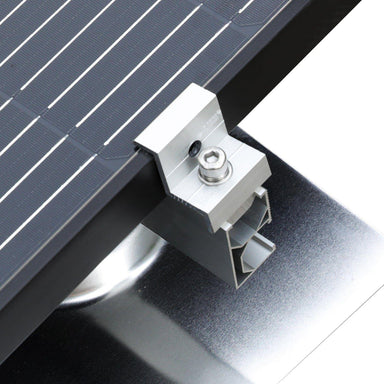
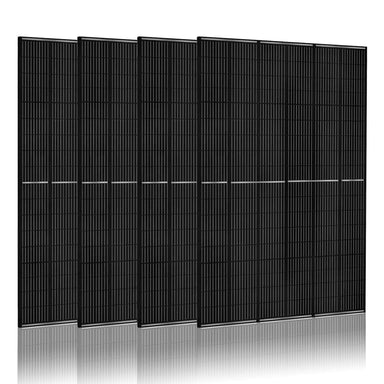
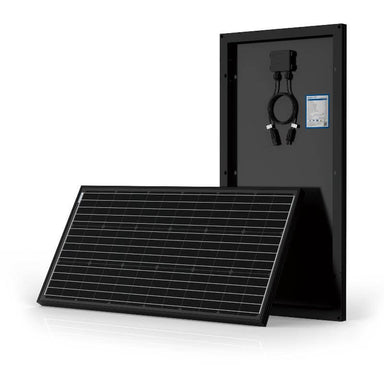
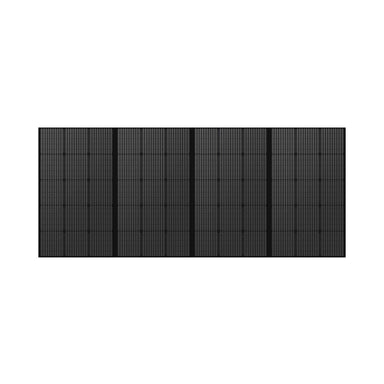
- Rigid panels offer the highest efficiency and durability. Use them for permanent rooftop or ground-mounted installs.
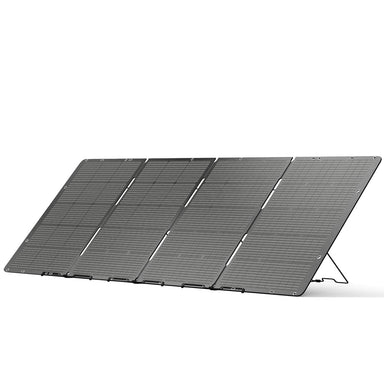
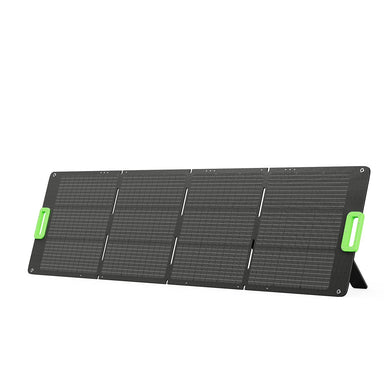
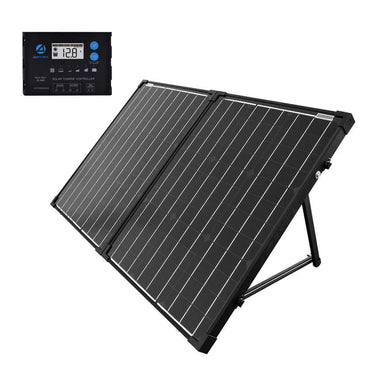
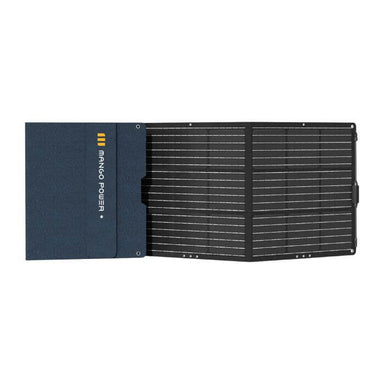
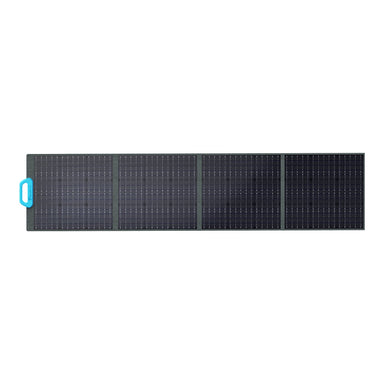
- Foldable panels are portable and self-supporting. Pack them for camping, overlanding, or pairing with a portable power station.
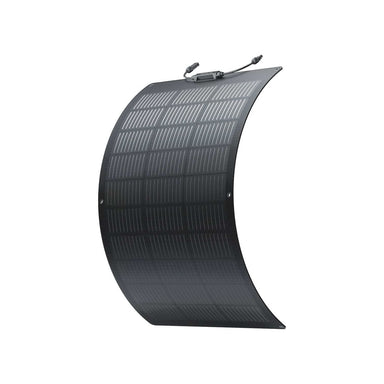
- Flexible and thin-film panels conform to curved surfaces. Mount them directly on RV roofs, boat decks, or van rooftops without drilling.
How Many Watts Do You Actually Need?
Start with your power station max solar input rating. That number sets the ceiling for how many watts you can feed in at once. Then factor in your daily usage.
- Estimate daily watt-hours used. Divide by 4 to 6 peak sun hours to get the panel wattage needed for a full recharge each day.
- For camping or weekend trips, 100 to 200W is typically enough to keep phones, lights, and small appliances running.
- For home backup with a large battery system, 400W or more per bank is practical for daily top-offs.
Solar Panel Compatibility: What to Check Before You Buy
A panel is only useful if it connects to your system correctly. Check these three specs before ordering.
- Max solar input voltage: the open-circuit voltage (Voc) must not exceed your power station rated limit.
- Max solar input wattage: confirm your station can accept the total wattage you plan to connect.
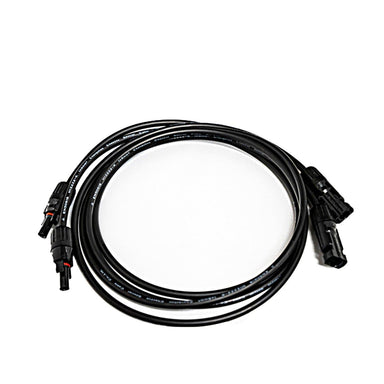
- Connector type: most panels use MC4. Many stations include adapters for XT60, Anderson, or DC barrel connections.
Monocrystalline vs. Polycrystalline Efficiency
Most panels sold today are monocrystalline. They convert more sunlight per square foot than polycrystalline panels and perform better in partial shade.
- Monocrystalline panels typically achieve 20 to 23 percent efficiency. They are the standard for portable and rooftop use.
- Polycrystalline panels cost less per watt but require more surface area for the same output.
- CIGS thin-film panels from BougeRV sacrifice some peak efficiency for flexibility and low-light performance.
Connecting Panels: Series vs. Parallel
How you wire multiple panels together affects the voltage and current entering your charge controller or power station.
- Series wiring increases voltage. Use this when your power station requires a higher input voltage to charge efficiently.
- Parallel wiring increases current while voltage stays the same. Use this when your input voltage is already at the system limit.
- Check your power station documentation. Most portable units list the recommended wiring configuration.
Brands We Carry
Our solar panel selection includes EcoFlow, BougeRV, Anker, Jackery, Nature Generator, VTOMAN, ACOPOWER, Mango Power, and AIMS Power. All products ship as authorized dealer inventory with full manufacturer support.
Why Buy From Mighty Generators
- Authorized dealer for every brand we carry. Your warranty is valid and fully supported.
- Free shipping and free returns on all orders, no fine print.
- 0 percent APR financing options available through Klarna.
- Pre-purchase compatibility support. Contact us before ordering if you are unsure which panel fits your system.