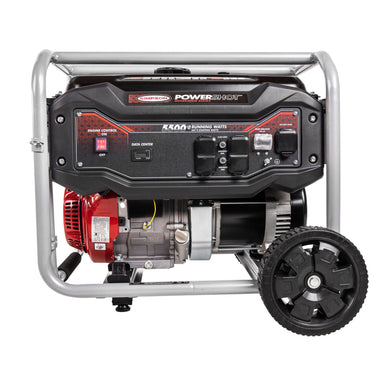
What to Look for in a Small Gasoline Generator
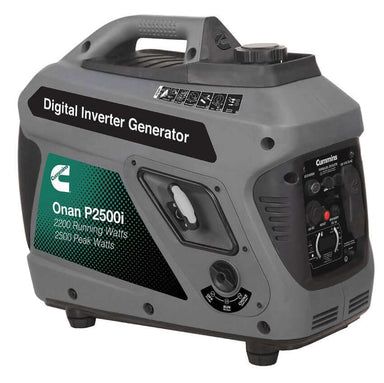
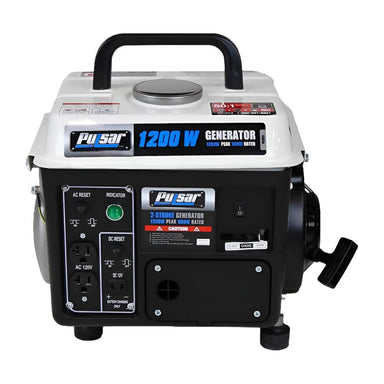
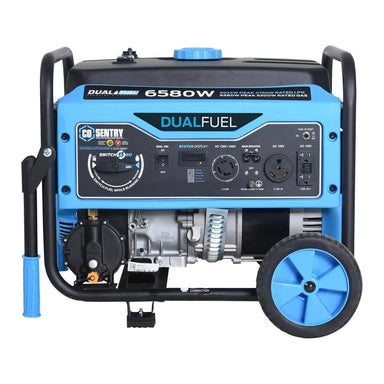
Start with wattage, then consider weight and runtime. A small gasoline generator in the 1,000-3,500W range is the right tool for camping, tailgating, or covering a handful of appliances during a short outage. Add up the running watts of everything you want to power at once - that number determines the minimum rated output you need. Then check the starting watts of any motor-driven appliance on your list, such as a refrigerator or sump pump, and make sure the generator’s peak rating covers it.
Rated Watts vs. Peak Watts
Every generator has two wattage numbers. Rated watts (also called running watts) is the continuous output it can sustain. Peak watts (also called starting watts) is a short burst of extra power the generator produces for a second or two when a motor starts. For example, a refrigerator may draw 150 running watts but need 600 peak watts to start. Always size by rated watts for your total load, and confirm the peak watts covers your highest single surge. Mixing up these two numbers is the most common mistake first-time generator buyers make.
Runtime and Fuel Efficiency
Runtime is listed at a percentage of load - usually 25% and 50%. A generator rated for 8 hours at 50% load will run fewer hours if you are drawing more power. Small gasoline generators in this class typically carry 1 to 2 gallons of fuel and run 4 to 12 hours depending on load. Inverter models throttle the engine speed down when demand is low, which stretches runtime and reduces noise. If you plan to run the generator overnight or for extended periods, check the 50% load runtime on the product spec sheet.
Inverter Technology in Small Generators
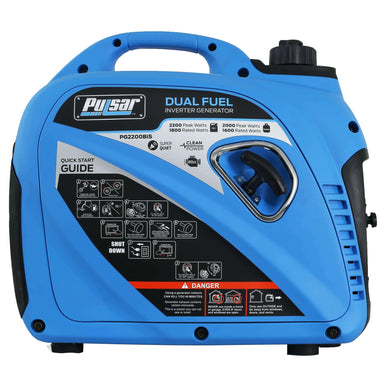
Standard generators produce power at a fixed engine speed, which means output quality varies. Inverter generators convert the power through a microprocessor and produce a clean, stable sine wave - the same type of power you get from a wall outlet. That clean output matters for laptops, smartphones, CPAP machines, and any device with a sensitive processor. Inverter generators are also quieter and more fuel efficient than conventional models. Several units in this collection carry inverter technology, including models from Pulsar, Ford, and Simpson. Check individual product pages to confirm.
Safe Placement and CO Safety
Gasoline generators produce carbon monoxide, an odorless, colorless gas that is fatal in enclosed spaces. Always operate your generator outdoors, at least 20 feet away from any door, window, or vent. Never run a generator inside a garage - even with the door open. Point the exhaust away from living areas. CO kills quickly and without warning. Some generators in this lineup include a built-in CO sensor that shuts the unit down automatically if CO builds up to dangerous levels. That feature is worth prioritizing if you plan to use the generator near a tent, camper, or enclosed outdoor space.
Connecting a Small Generator to Your Home
The safest and most common way to use a small portable generator during an outage is to run extension cords directly from the generator to the appliances you need to power. This requires no installation and no permit. If you want to power hardwired appliances or circuits in your panel, a transfer switch or interlock kit is required by electrical code. Never backfeed power into your home through a wall outlet - this is called back-feeding and it is dangerous to utility workers and illegal. Call a licensed electrician to install a transfer switch if you want to connect to your panel.
Maintenance Basics
Gasoline generators require regular maintenance to stay reliable. Change the oil after the first 20 hours, then every 50-100 hours or once per season. Use fresh gasoline and add a fuel stabilizer if the generator will sit unused for more than 30 days. Stale fuel is the leading cause of starting problems. Check the spark plug annually and replace it if fouled. Run the generator under load for at least 30 minutes every three months to keep the carburetor clear. Store with a full tank and stabilizer, or drain the tank completely - never store with untreated gas sitting in the carburetor.
Why Buy From Mighty Generators
Mighty Generators is an authorized dealer for every brand we carry. That means full factory warranties, no gray-market products, and no fine print. Available 24/7 at (888) 775-9048 to help you match the right generator to your situation. No restocking fees. No pressure. If you are not sure what size you need, call us before you buy - that conversation takes five minutes and saves hours of frustration.