
Skip to content

Best Generator Inlet Box for Outdoor Installation - PowerConnect Pro

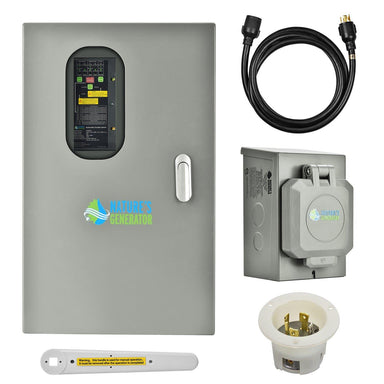
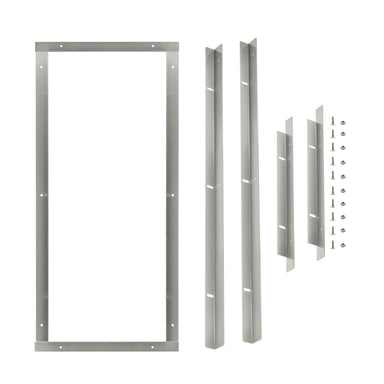
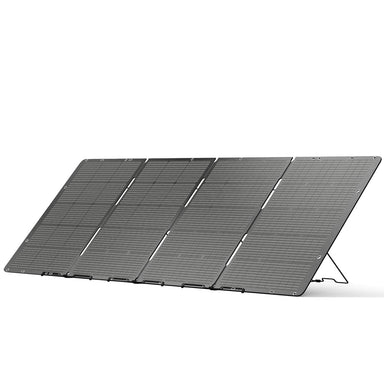
Reliable backup power starts with proper outdoor installation components, and selecting the best generator inlet box for outdoor installation is crucial for safe, weather-resistant connectivity between your portable generator and home electrical system. Our curated collection features premium weatherproof generator inlet boxes, transfer switches, and complete power backup solutions designed to withstand harsh outdoor conditions while delivering dependable emergency power when you need it most. Whether you're preparing for storm season, live in an area prone to outages, or simply want peace of mind, these professional-grade components ensure your generator connects safely and efficiently to your home's electrical system. From compact 30-amp inlet boxes with corrosion-resistant brass terminals to heavy-duty 50-amp power inlet solutions and automatic transfer switches, each product meets rigorous NEMA weatherproof standards and UL safety certifications. We've assembled everything from basic inlet boxes for DIY installations to comprehensive whole-home backup systems with integrated solar capabilities, ensuring you'll find the perfect outdoor power solution regardless of your generator size, budget, or technical expertise level.

Key Takeaways

  • Weatherproof NEMA-rated enclosures are essential for outdoor generator inlet box installations to protect against moisture, debris, and UV exposure
  • Matching amperage ratings (30A or 50A) to your generator's output and home electrical needs prevents overheating and ensures code compliance
  • Brass or copper terminals provide superior corrosion resistance and electrical conductivity compared to aluminum in outdoor environments
  • Professional installation with proper grounding, wire gauge selection, and mounting height ensures safety and optimal performance

What should you look for in a generator inlet box for outdoor installation?

When selecting a generator inlet box for outdoor installation, prioritize weatherproof construction with a minimum NEMA 3R rating to withstand rain, snow, and extreme temperatures. The enclosure should feature a robust spring-loaded cover with a tight seal to prevent moisture infiltration. Look for brass or copper terminals rather than aluminum, as these metals resist corrosion significantly better in outdoor environments exposed to humidity and temperature fluctuations. The inlet box must match your generator's amperage output—typically 30A for portable generators or 50A for larger standby units. Heavy-gauge steel or aluminum construction ensures durability against physical impacts and UV degradation. Additionally, verify that the connector type matches your generator's plug configuration (L14-30 for 30A or CS6375 for 50A applications). Quality inlet boxes include proper grounding provisions, clear labeling, and UL listing for electrical safety compliance.

How do you choose the right generator inlet box for your outdoor power needs?

  • Determine your generator's amperage output and voltage requirements (30A/125-250V or 50A/125-250V) to ensure compatible inlet box specifications
  • Verify the plug configuration matches your generator cord—L14-30P for twist-lock 30A connections or CS6375 for 50A applications
  • Select weatherproof construction with NEMA 3R or higher rating, featuring corrosion-resistant materials like powder-coated steel and brass terminals
  • Consider installation location requirements including mounting height (typically 18-24 inches above ground), accessibility, and distance from the generator placement area
  • Evaluate whether you need a basic inlet box or a complete kit with transfer switch integration for automatic or manual power switching capabilities
  • Check local electrical codes and permit requirements, as some jurisdictions mandate specific features or professional installation for outdoor generator connections

Frequently Asked Questions

How high off the ground should a generator inlet box be?
A generator inlet box should be installed 18 to 24 inches above ground level for optimal accessibility and safety. This height prevents potential water damage from ground-level flooding, snow accumulation, or pooling rainwater while remaining easily accessible for connecting your generator cord. The National Electrical Code (NEC) doesn't specify an exact height requirement, but local building codes may have specific regulations. Installing at this recommended height also reduces strain on your back when plugging in the generator connection and keeps the inlet above typical lawn maintenance equipment paths. In flood-prone areas, consider mounting the inlet box even higher—36 to 48 inches—to provide additional protection. Always ensure the mounting location allows the weatherproof cover to close properly and that the inlet box is positioned on an exterior wall near your main electrical panel to minimize wire runs and installation costs.
What wire to use for a 50 amp generator inlet box?
For a 50 amp generator inlet box, you must use 6 AWG (American Wire Gauge) copper wire or 4 AWG aluminum wire as the minimum conductor size. Most electricians prefer 6/3 copper wire with ground (four conductors total: two hots, one neutral, and one ground) for 125/250V applications. The wire should be rated for at least 75°C and suitable for the installation environment—use THHN/THWN wire in conduit for exposed outdoor runs or UF-B (Underground Feeder) cable for direct burial applications. The circuit must be protected by a 50-amp double-pole circuit breaker in your main panel. Never use wire smaller than 6 AWG copper for 50-amp circuits, as undersized conductors create fire hazards through overheating. For longer wire runs exceeding 100 feet, consider upsizing to 4 AWG copper to compensate for voltage drop. Always consult local electrical codes and consider hiring a licensed electrician, as improper wire sizing can void insurance coverage and create serious safety hazards.
Can I install a generator interlock kit myself?
While technically capable DIYers can physically install a generator interlock kit themselves, it's strongly recommended to hire a licensed electrician due to legal, safety, and insurance considerations. Generator interlock kits involve working inside your main electrical panel with live bus bars carrying potentially lethal voltage, requiring extensive knowledge of electrical systems and safety protocols. Most jurisdictions require permits for this type of work, and inspectors typically mandate that a licensed electrician perform the installation to ensure code compliance. Additionally, improper installation can create backfeed hazards that endanger utility workers or cause electrical fires. If you proceed with DIY installation, you must: obtain proper permits, completely shut off main power, understand your panel's configuration, follow manufacturer instructions precisely, and schedule an inspection before energizing the system. Many homeowner's insurance policies may deny claims for electrical fires or damage resulting from unpermitted or DIY electrical work. The cost of professional installation ($300-$800) is minimal compared to the risks of improper installation.
What gauge wire for 30 amp generator inlet box?
For a 30 amp generator inlet box, use 10 AWG copper wire as the minimum conductor size, or 8 AWG aluminum wire if aluminum conductors are preferred. Most installations use 10/3 copper wire with ground (containing two hot conductors, one neutral, and one ground wire) for standard 120V/240V generator connections. The wire must be rated for at least 75°C temperature and appropriate for your installation method—THHN/THWN in conduit for exposed runs or UF-B cable for underground installations. This circuit requires protection by a 30-amp double-pole circuit breaker in your electrical panel. Never use smaller wire gauges like 12 AWG or 14 AWG, even though they're common for household circuits, as they cannot safely handle 30-amp loads and will overheat. For wire runs longer than 100 feet, consider upgrading to 8 AWG copper to minimize voltage drop and maintain efficient power transfer. Always verify local electrical codes, as some jurisdictions have specific requirements for generator circuits, and consider professional installation to ensure proper wire sizing, routing, and connection techniques.
Do I need a transfer switch with a generator inlet box?
Yes, you absolutely need a transfer switch when using a generator inlet box to safely power your home. A transfer switch prevents dangerous backfeeding—where electricity from your generator flows back through the utility lines, potentially electrocuting utility workers or damaging equipment. The transfer switch creates a physical separation between utility power and generator power, ensuring only one source powers your home at any time. You have two main options: manual transfer switches require you to physically flip switches to select between utility and generator power, while automatic transfer switches detect power outages and switch sources automatically. Manual switches are more affordable ($200-$500) and work well for occasional use, while automatic switches ($500-$2,000+) provide convenience for frequent outages or when you're away from home. Some homeowners use generator interlock kits as a cost-effective alternative, which mechanically prevents both the main breaker and generator breaker from being on simultaneously. Without any transfer mechanism, connecting a generator directly to your home's wiring is illegal, extremely dangerous, and violates electrical codes nationwide.

Sources

  • Access Denied — www.electricgeneratorsdirect.com
  • Comparison of Three 50 amp Generator Inlet Boxes | Reliance & GE — www.youtube.com
  • Top 5 Best Outdoor Generator Inlet Boxes of 2023 — www.youtube.com
  • Amazon.com: GeepKeyPro 50 Amp Generator Cord and Power Inlet Box [Pre-Drilled], 15FT Generator Cords 50 Amp,125V/250V Generator Power Cord NEMA14-50P/SS2-50R Twist Lock Connector : Patio, Lawn & Garden — www.amazon.com
  • Sol-Ark owners information network | Is there a preferred 50 amp power inlet box for generator power | Facebook — www.facebook.com
close
close
close
I have a question
sparkles
close
product
Hello! I am very interested in this product.
gift
Special Deal!
sparkles