
Skip to content

Best Portable Solar Panels for Hiking - Nature's Generator

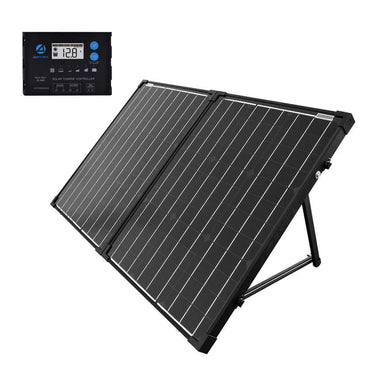
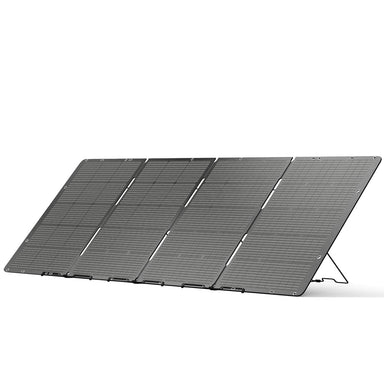
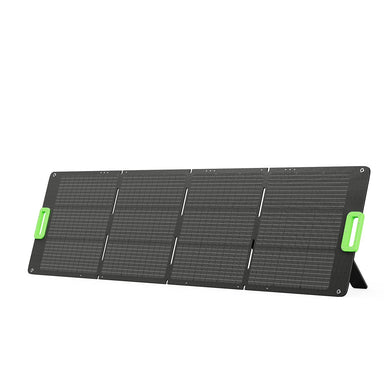
Power your hiking adventures with our curated collection of the best portable solar panels designed specifically for backpacking and trail use. Whether you're embarking on a day hike, weekend backpacking trip, or extended wilderness expedition, reliable power for your devices is essential for navigation, safety, and capturing memories. Our selection features high-efficiency monocrystalline solar panels ranging from compact 100W models perfect for ultralight backpackers to robust 400W systems ideal for base camp setups and extended off-grid adventures. Each panel in this collection has been selected for its superior power-to-weight ratio, weather resistance, and real-world trail performance. With advanced ETFE coating technology, IP67 waterproof ratings, and foldable designs that minimize pack space, these portable solar panels deliver dependable charging capability in the demanding conditions hikers face. From the lightweight ACOPower 100W kit that weighs less than your tent to the powerful Nature's Generator 400W system that can run a complete base camp, you'll find the perfect solar solution to keep your GPS, smartphone, camera, and emergency communication devices charged throughout your journey. All panels feature versatile charging options including USB ports and MC4 connectors, ensuring compatibility with your existing power banks, portable generators, and electronic devices.

Key Takeaways

  • 100W solar panels offer the ideal balance of portability and power output for most hiking trips, providing enough energy to charge phones, GPS devices, and small electronics
  • Monocrystalline panels with ETFE coating deliver superior efficiency (20-23%) and weather resistance, making them ideal for unpredictable trail conditions
  • Foldable designs with IP67 waterproof ratings ensure durability on multi-day backpacking trips while minimizing pack weight and storage space
  • Consider your power needs carefully: day hikers need 50-100W, weekend warriors benefit from 100-200W, and extended expeditions may require 200-400W systems

What should you look for in portable solar panels for hiking?

When selecting portable solar panels for hiking, prioritize weight-to-power ratio, durability, and charging efficiency. The best hiking solar panels feature monocrystalline cells that deliver 20-23% conversion efficiency, ensuring maximum power generation even in partially cloudy conditions. Look for panels with ETFE (Ethylene Tetrafluoroethylene) coating rather than PET lamination—ETFE offers superior light transmission, scratch resistance, and longevity. An IP67 waterproof rating is essential for trail use, protecting against rain, splashes, and dusty conditions. Foldable designs significantly reduce pack volume, while built-in kickstands or adjustable tilt mechanisms optimize sun angle throughout the day. Consider panels with integrated USB ports and MC4 connectors for versatile charging options. Weight matters tremendously on the trail; aim for panels that deliver at least 10 watts per pound. Finally, ensure compatibility with your devices—most hikers need 18V output for laptops and 5V USB for phones and GPS units.

How do you choose the right portable solar panel for your hiking needs?

  • Trip duration and power requirements: Day hikers typically need 50-100W for phone and GPS charging, weekend backpackers benefit from 100-200W for multiple devices and headlamps, while week-long expeditions may require 200-400W to power cameras, satellite communicators, and portable power stations
  • Weight and portability constraints: Calculate your pack weight budget—100W panels typically weigh 5-8 pounds, 200W panels range from 10-15 pounds, while 400W systems exceed 20 pounds and are better suited for base camp setups or car camping with hiking day trips
  • Charging ecosystem compatibility: Verify the panel's output voltage matches your power bank, battery pack, or portable generator; look for panels with multiple output options including USB-A, USB-C PD, and DC barrel connectors for maximum versatility with your existing gear
  • Weather resistance and durability features: Prioritize military-grade materials, reinforced corners, and weatherproof junction boxes if hiking in challenging environments; panels with tempered glass are more durable but heavier than ETFE-coated options
  • Setup and adjustment capabilities: Consider whether you'll be stationary (allowing for panels with stands and optimal positioning) or mobile (requiring quick-deploy designs that can charge while attached to your pack); adjustable kickstands increase efficiency by 25-40% compared to flat positioning

Frequently Asked Questions

What is the most efficient solar panel for backpacking?
Monocrystalline solar panels are the most efficient option for backpacking, delivering 20-23% conversion efficiency compared to 15-17% for polycrystalline alternatives. Among our collection, the 200W and 400W Folding Solar Panels with ETFE coating represent the peak efficiency choice, combining high-grade monocrystalline cells with advanced light transmission technology. ETFE (Ethylene Tetrafluoroethylene) coating increases light transmission by 3-4% compared to standard PET lamination while providing superior durability and self-cleaning properties. For most backpackers, a 100W monocrystalline panel offers the best efficiency-to-weight ratio, generating sufficient power (400-500Wh on a sunny day) to charge phones, GPS devices, cameras, and small power banks without excessive pack weight. The efficiency advantage of monocrystalline panels becomes especially important in suboptimal conditions—cloudy weather, morning/evening light, or partial shade—where they can produce 15-25% more power than polycrystalline panels of the same wattage rating.
What is the 20% rule for solar panels?
The 20% rule for solar panels refers to the conversion efficiency benchmark—the percentage of sunlight energy that gets converted into usable electrical power. Modern monocrystalline solar panels typically achieve 20-23% efficiency, meaning they convert approximately one-fifth of the solar energy striking their surface into electricity. This represents a significant technological achievement, as early solar panels operated at only 6-10% efficiency. For hikers, understanding this rule helps set realistic expectations: a 100W panel rated at 20% efficiency will produce its full 100W output only under ideal conditions (direct perpendicular sunlight, cool temperatures, clean surface). In real-world hiking scenarios, expect 60-80% of rated capacity due to sun angle, temperature, and atmospheric conditions. This is why a 100W panel might actually deliver 60-80W during peak hours. Some sources also reference a "20% rule" for battery charging, suggesting you should not discharge lithium batteries below 20% capacity for longevity, and should size your solar array to replenish at least 20% more capacity than your daily consumption to account for efficiency losses and cloudy days.
What is the best power bank for hiking?
While this collection focuses on solar panels rather than power banks, the two work together as a complete hiking power system. The best power bank for hiking depends on your trip length and device needs. For day hikes, a 10,000-20,000mAh power bank provides 2-4 full phone charges. Weekend trips benefit from 20,000-30,000mAh capacity, while week-long expeditions may require 50,000mAh+ portable power stations. When pairing power banks with portable solar panels, ensure voltage compatibility—most power banks charge via 5V USB input, while larger portable power stations accept 12-24V DC input for faster charging. Look for power banks with pass-through charging capability, allowing simultaneous charging of the bank and your devices. Lithium iron phosphate (LiFePO4) batteries offer superior longevity and temperature tolerance for outdoor use compared to standard lithium-ion. The ideal hiking power system combines a portable solar panel (100-200W) with a mid-capacity power bank (20,000-40,000mAh), allowing you to charge the bank during the day while hiking or at camp, then use stored power for devices during evening and overnight hours. Our solar panels feature multiple output options compatible with most quality power banks and portable power stations.
Do hiking solar panels work?
Yes, hiking solar panels absolutely work and have become increasingly reliable and efficient for outdoor adventurers. Modern portable solar panels can generate substantial power in real-world trail conditions, though performance depends on several factors. In direct sunlight, a 100W panel typically produces 60-80W (accounting for temperature, angle, and atmospheric conditions), which translates to charging a smartphone in 2-3 hours or a 20,000mAh power bank in 4-6 hours. The key to success is understanding their limitations: solar panels require direct sunlight and work poorly in heavy shade or dense forest canopy. They perform best when positioned perpendicular to the sun and adjusted throughout the day—panels with adjustable kickstands can increase output by 25-40% compared to flat positioning. Weather matters significantly; cloudy days reduce output to 10-25% of rated capacity, while light cloud cover may only decrease production by 30-50%. For hiking applications, solar panels work best when paired with a power bank or battery system, allowing you to capture energy during optimal sun exposure (typically 4-6 peak hours per day) and use stored power anytime. Our monocrystalline panels with ETFE coating are specifically engineered for outdoor reliability, featuring weatherproof construction and high-efficiency cells that maximize power generation even in challenging conditions. Thousands of backpackers, thru-hikers, and outdoor enthusiasts successfully use portable solar panels to maintain device charging on extended trips.
How many watts do I need for hiking solar panels?
The wattage you need depends on your devices, trip duration, and charging requirements. For day hikers charging a smartphone and GPS watch, a 50-100W panel provides ample power, generating enough electricity to fully charge these devices during a typical hiking day. Weekend backpackers with multiple devices (phone, GPS, camera, headlamp) benefit from 100-200W panels, which can replenish a 20,000-40,000mAh power bank in 4-8 hours of good sunlight. Extended expedition hikers or those powering laptops, satellite communicators, and camera batteries should consider 200-400W systems, especially when combined with a portable power station. Calculate your needs by adding up your devices' battery capacities: a smartphone holds approximately 3,000-5,000mAh (11-19Wh), action cameras 1,000-1,500mAh (4-6Wh), and GPS devices 1,000-2,000mAh (4-8Wh). A 100W panel generating 400-500Wh per day (in 5-6 hours of good sun) can easily support 2-3 smartphones, a GPS, a camera, and a headlamp. Remember that higher wattage means more weight—100W panels typically weigh 5-8 pounds, 200W panels 10-15 pounds, and 400W systems over 20 pounds. Most hikers find 100W offers the optimal balance of charging capacity and portability, while car campers or base camp setups can accommodate larger 200-400W systems for comprehensive power needs.

Sources

  • Best Solar Charger Power Banks of 2025 — www.outdoorgearlab.com
  • 3 Best Solar Chargers for Hiking and Backpacking of 2025 (Tested) — www.treelinereview.com
  • Log in or sign up to view — www.facebook.com
  • — www.reddit.com
  • Tested! Best Camping Solar Panel for Hiking & Backpacking? — www.youtube.com
close
close
close
I have a question
sparkles
close
product
Hello! I am very interested in this product.
gift
Special Deal!
sparkles