
Skip to content

Best Portable Solar Panels for Emergency Power - Solar Essentials

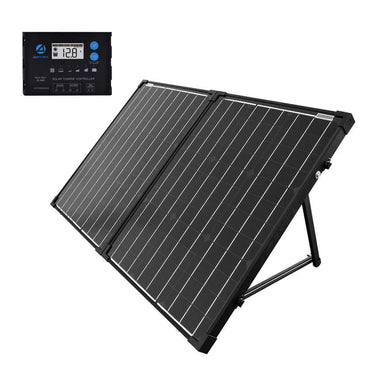
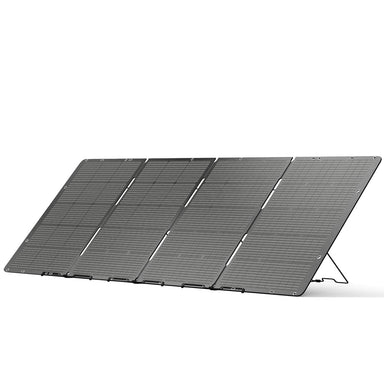
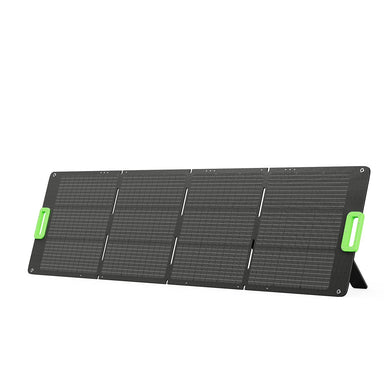
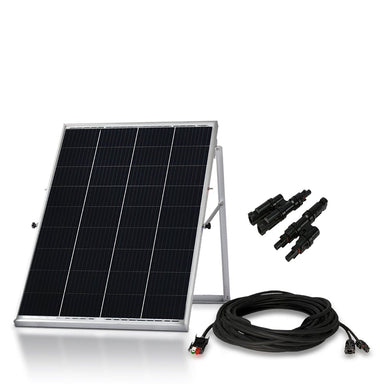
When disaster strikes and the power grid fails, portable solar panels provide critical energy independence for your family's safety and comfort. Our curated collection of emergency-ready portable solar panels delivers reliable backup power for essential devices, medical equipment, refrigeration, and communication systems during hurricanes, winter storms, wildfires, and extended outages. Each panel features rugged monocrystalline construction with IP67 waterproofing, ensuring operation in harsh weather conditions when you need power most. From compact 100W folding panels perfect for evacuation scenarios to powerful 400W systems capable of running refrigerators and CPAP machines, these portable solutions deploy in minutes without installation or permits. Unlike fuel-dependent generators that fail when gas stations lose power, solar panels harness unlimited renewable energy, operating silently without emissions or ongoing costs. Whether you're building a comprehensive emergency preparedness kit or adding backup power capability to your existing supplies, these portable solar panels provide the energy security that keeps your family safe, connected, and comfortable when conventional power fails for hours, days, or weeks.

Key Takeaways

  • 100-200W panels are ideal for charging phones, laptops, and small devices during emergencies, while 400W+ systems can power refrigerators and medical equipment
  • Monocrystalline panels with ETFE coating offer superior efficiency (20-22%) and weather resistance compared to polycrystalline alternatives
  • IP67-rated portable solar panels provide complete dust and water protection, essential for unpredictable emergency conditions
  • Folding designs with integrated kickstands enable quick deployment without tools, crucial when power restoration time is uncertain

What should you look for in portable solar panels for emergency power?

When selecting portable solar panels for emergency preparedness, prioritize power output that matches your critical needs—100W panels handle basic device charging, while 200-400W options can run essential appliances like refrigerators or CPAP machines. Monocrystalline panels with ETFE (Ethylene Tetrafluoroethylene) coating deliver the highest efficiency rates of 20-22%, converting more sunlight into usable power even in suboptimal conditions. IP67 waterproof ratings ensure your panels function during storms or wet conditions when grid power typically fails. Portability features matter significantly: folding designs reduce storage space by 60-70%, integrated handles enable one-person deployment, and included cables (ideally 15-50 feet) provide flexibility in panel positioning for optimal sun exposure. Look for panels with built-in charge controllers to prevent battery overcharging, multiple output options (USB, DC, Anderson connectors) for device compatibility, and durable aluminum frames that withstand repeated setup and breakdown during extended emergencies.

How do you choose the right portable solar panel capacity for emergency needs?

  • Calculate your essential power consumption: Add up wattage requirements for critical devices (phone 5-10W, laptop 50-100W, refrigerator 100-200W, medical equipment varies) and multiply by hours needed daily
  • Apply the 1.5x safety factor: Choose panels with 50% more capacity than your calculation to account for cloudy weather, panel angle inefficiencies, and battery charging losses
  • Consider scalability: Opt for panels with parallel connection capability so you can link multiple units together if emergency duration extends or power needs increase
  • Match panel voltage to your battery system: 12V panels work with most portable power stations, while 18-24V options charge faster and suit larger battery banks
  • Evaluate portability versus power trade-offs: 100-200W folding panels weigh 15-25 lbs and suit evacuation scenarios, while 400W+ panels (40-50 lbs) are better for shelter-in-place emergencies

Frequently Asked Questions

How many solar panels do I need for emergency power?
The number of solar panels needed for emergency power depends on your critical load requirements and available sunlight hours. For basic emergency preparedness (charging phones, tablets, LED lights, and radios), a single 100-200W portable panel typically suffices, generating 400-1000 watt-hours daily in 4-5 hours of peak sunlight. To power a refrigerator consuming 1500Wh daily, you'll need 300-400W of solar capacity to account for charging inefficiencies and cloudy conditions. For whole-home emergency backup running essential circuits (refrigerator, lights, well pump, medical equipment), calculate your daily consumption in kilowatt-hours and divide by 4 (average peak sun hours), then multiply by 1.5 for the safety margin. Most households need 2000-4000W of solar capacity for comprehensive emergency coverage. Portable systems excel for 100-800W applications, while permanent installations better serve larger requirements. Remember that battery storage capacity matters equally—panels generate power only during daylight, so sufficient battery reserves ensure nighttime operation.
What is the 33% rule in solar panels?
The 33% rule in solar panels refers to the maximum charge rate guideline for battery safety and longevity. This rule states that your solar panel wattage should not exceed 33% of your battery's amp-hour capacity (when converted to watts). For example, a 100Ah 12V battery (1200Wh capacity) should be charged with no more than 400W of solar panels (33% of 1200Wh). Exceeding this ratio can cause battery overheating, reduced lifespan, and potential safety hazards, especially with lead-acid batteries. However, modern lithium batteries and quality charge controllers have made this rule less rigid—many lithium systems safely handle 50-100% charge rates. For emergency power applications, the 33% rule provides a conservative safety margin ensuring your batteries charge properly without damage during critical situations. When using portable solar panels with integrated charge controllers, these protections are typically built-in, automatically regulating current flow regardless of panel capacity. For optimal emergency preparedness, match your solar panel capacity to both your daily energy needs and your battery's safe charging specifications.
Can a 200 watt solar panel run a 12 volt refrigerator?
Yes, a 200W solar panel can run a 12-volt refrigerator, but with important caveats regarding battery storage and sunlight availability. A typical 12V refrigerator consumes 30-50W while running but cycles on and off, averaging 1000-1500Wh daily consumption. A 200W solar panel produces approximately 800-1000Wh per day in 4-5 hours of peak sunlight, which falls slightly short of continuous operation. The critical factor is battery capacity—you need a battery bank (typically 100-200Ah at 12V) to store solar energy generated during daylight and power the refrigerator overnight and during cloudy periods. For reliable emergency refrigerator operation, pair your 200W panel with at least a 1200Wh (100Ah 12V) battery, which provides 12-24 hours of runtime without sun. Alternatively, use two 200W panels (400W total) to generate surplus power for faster battery recharging and cloudy-day contingency. Position your panel for maximum sun exposure—even partial shading reduces output by 40-80%. For emergency preparedness, a 200W portable solar panel with adequate battery storage successfully maintains refrigerator operation, preserving food and medications during extended power outages lasting days or weeks.
Why are people getting rid of their solar panels?
People rarely dispose of functional solar panels, but several situations lead to solar panel removal or replacement. First-generation homeowners upgrading to higher-efficiency modern panels (22-24% efficiency versus older 14-16% models) remove outdated equipment to maximize roof space—newer 400W panels produce what older 250W panels did, reducing the number needed. Roof repairs or replacements necessitate temporary panel removal, and some homeowners opt not to reinstall if moving or selling properties. Lease agreement terminations sometimes result in panel removal when homeowners want ownership rather than monthly payments. Importantly, the narrative about mass solar panel disposal is largely misinformation—solar panels last 25-40 years with minimal degradation (0.5% annually), making them one of the most durable energy investments. In emergency preparedness contexts, portable solar panels offer advantages over rooftop installations: they're movable during evacuations, angle-adjustable for optimal sun capture, and unaffected by roof damage during disasters. The secondary market for used panels is robust, with removed panels often repurposed for off-grid cabins, RVs, and emergency backup systems, demonstrating their enduring value rather than disposal necessity.
How long do portable solar panels last in emergency situations?
High-quality portable solar panels last 25-30 years with proper care, making them a long-term emergency preparedness investment rather than a temporary solution. Monocrystalline panels with ETFE coating resist UV degradation, moisture intrusion, and physical impacts better than standard glass-covered panels. These panels experience only 0.5-0.8% annual efficiency degradation, meaning a 200W panel still produces 170-180W after 20 years. The limiting factor is typically the charge controller electronics (5-10 year lifespan) rather than the solar cells themselves. For emergency applications, portable panels outlast most other backup power options—generators require fuel and maintenance, while batteries need replacement every 3-10 years depending on chemistry. To maximize portable solar panel longevity, store them in dry locations between uses, avoid folding panels when wet (causes delamination), clean surfaces with water and soft cloth quarterly, and inspect junction boxes annually for corrosion. The hinges and frames on folding panels may require tightening after 5-10 years of regular deployment. With minimal maintenance, your emergency solar panels remain operational through decades of power outages, natural disasters, and grid failures, providing energy independence when conventional power sources fail.

Sources

  • Best Solar Charger Power Banks of 2025 — www.outdoorgearlab.com
  • Ultimate Solar Generator Guide for 2025 (Watch Before Buying) — www.youtube.com
  • Best Portable Solar Panels of 2025 — www.cnet.com
  • The Best Portable Solar Battery Charger - The New York Times — www.nytimes.com
  • How to Choose the Best Portable Solar Panels – Easy Guide — greencitizen.com
close
close
close
I have a question
sparkles
close
product
Hello! I am very interested in this product.
gift
Special Deal!
sparkles