
Skip to content

Best Solar Panel Kits for RV - Premium Off-Grid Power Solutions

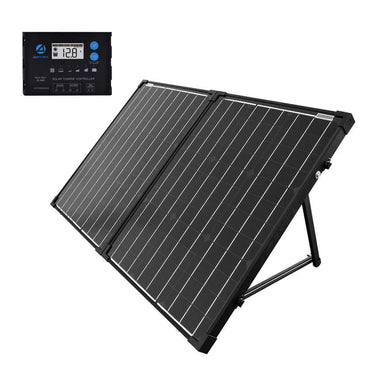
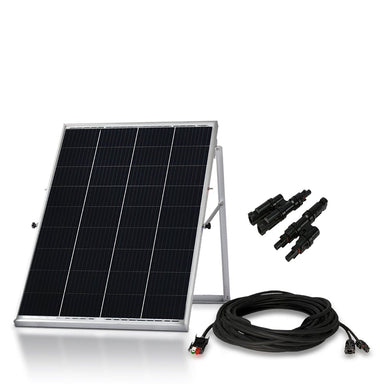
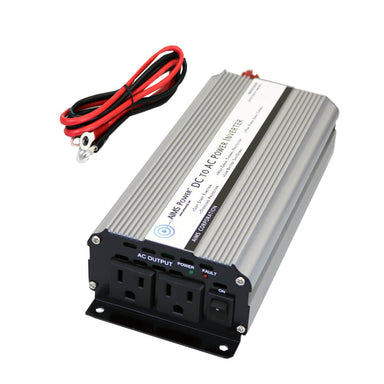
Transform your RV into a self-sufficient off-grid home with our premium solar panel kits designed specifically for mobile living. Whether you're a weekend warrior seeking freedom from campground hookups or a full-time nomad embracing the boondocking lifestyle, our curated collection of RV solar solutions provides reliable, clean energy wherever your adventures take you. Each kit features high-efficiency monocrystalline panels that maximize power production in limited roof space, complete with professional-grade components like weatherproof MC4 connectors, extended 50-foot cables for flexible routing, and durable mounting systems engineered to withstand highway speeds and extreme weather conditions. From compact 100W starter kits perfect for powering LED lights, phone chargers, and laptops, to comprehensive 800W off-grid systems with pure sine wave inverters capable of running refrigerators, microwaves, and sensitive electronics, we offer solutions for every power need and budget. Our portable foldable options with wheeled carts provide ultimate flexibility for ground deployment, while permanent roof-mount systems deliver set-it-and-forget-it convenience. Stop planning trips around electrical hookups and start exploring remote destinations with confidence, knowing your solar-powered RV provides all the comforts of home while treading lightly on the environment and dramatically reducing camping costs.

Key Takeaways

  • 100W solar panels provide 30-40Ah daily for basic RV needs like LED lights, phone charging, and small appliances
  • Monocrystalline panels offer 15-20% higher efficiency than polycrystalline, ideal for limited RV roof space
  • Complete kits with inverters, charge controllers, and long cables simplify installation for beginners
  • Portable foldable panels with wheeled carts provide flexibility for boondocking and adjusting to sun angles

What should you look for in an RV solar panel kit?

When selecting an RV solar panel kit, prioritize the panel type, wattage capacity, and included components. Monocrystalline panels are the gold standard for RVs due to their superior efficiency (18-22%) and space-saving design, making them perfect for limited roof real estate. Look for kits that include essential components like MC4 connectors for weatherproof connections, adequate cable length (50ft is ideal for routing from roof to battery bank), and a quality charge controller to prevent battery overcharging. Consider whether you need portability—foldable panels with carrying cases offer flexibility for ground deployment when your RV is parked in shade, while permanent roof-mounted systems provide set-it-and-forget-it convenience. The best kits also include mounting hardware, adjustable tilt stands for optimal sun angle, and clear installation instructions. For comprehensive off-grid capability, look for complete systems that bundle solar panels with pure sine wave inverters (800W or higher) to safely power sensitive electronics like laptops and medical devices.

How do you choose the right solar panel wattage for your RV needs?

  • Calculate your daily power consumption: Add up the watt-hours of all devices you'll use (LED lights typically use 10-20W, laptops 50-100W, refrigerators 40-60W continuously)
  • Account for real-world conditions: Solar panels produce peak wattage only in ideal conditions; expect 4-5 hours of effective charging daily, so a 100W panel realistically generates 400-500Wh per day
  • Consider your camping style: Weekend warriors can manage with 100-200W systems, while full-time boondockers need 400W+ to run refrigerators, fans, water pumps, and entertainment systems
  • Plan for expandability: Start with modular systems that allow adding additional panels in parallel to increase capacity as your power needs grow
  • Factor in battery capacity: Your solar array should fully recharge your battery bank within one sunny day; a 100Ah battery needs approximately 200W of solar panels for daily replenishment

Frequently Asked Questions

What is the best brand of solar panel for RV?
The best RV solar panel brands balance efficiency, durability, and value. ACOPower stands out for portable solutions with their foldable waterproof kits featuring built-in charge controllers and rugged carrying cases, perfect for temporary setups. Nature's Generator offers reliable monocrystalline panels with excellent warranty coverage and customer support. AIMS Power excels in complete off-grid systems, bundling quality solar panels with pure sine wave inverters for comprehensive power solutions. For permanent installations, look for brands offering monocrystalline panels with robust aluminum frames, tempered glass surfaces, and IP65+ weatherproof ratings to withstand highway speeds and extreme weather. The best brand ultimately depends on your specific needs: ACOPower for portability, AIMS for complete systems, and established monocrystalline manufacturers for permanent roof mounts. Prioritize brands offering 25-year performance warranties (80%+ output guarantee) and responsive customer service for troubleshooting during your travels.
How many solar panels do I need to fully power my RV?
Most RVers need between 200-400 watts of solar panels for comfortable off-grid living, though requirements vary significantly based on usage patterns. A basic setup with LED lighting, phone charging, and occasional laptop use requires just 100-200W (1-2 panels). Moderate users running a 12V refrigerator, water pump, furnace fan, and entertainment systems need 300-400W (3-4 panels). Heavy users with residential refrigerators, air conditioning (via generator supplement), microwaves, and multiple devices require 600-800W+ (6-8 panels). To calculate your specific needs, list every device with its wattage and daily usage hours, then multiply to get total watt-hours per day. Divide this by 5 (average effective sun hours) to determine minimum solar wattage needed. For example, if you use 1,500Wh daily, you need at least 300W of solar panels. Add 20-25% buffer for cloudy days, panel degradation, and charging inefficiencies. Remember that solar panels alone won't run high-draw appliances like air conditioners—these require generator support or lithium battery banks with 2,000W+ inverter systems.
What is the 20% rule for solar panels?
The 20% rule for solar panels refers to two important concepts in RV solar installations. First, it's a safety buffer guideline stating you should add 20% more solar capacity than your calculated minimum needs to account for real-world inefficiencies, cloudy weather, panel aging, and suboptimal sun angles. If calculations show you need 300W, install 360W to ensure reliable power generation. Second, it relates to charge controller sizing—your charge controller should be rated at least 20% higher than your solar array's maximum amperage output to prevent overheating and provide headroom for system expansion. For example, a 400W solar system at 12V produces approximately 33 amps (400W ÷ 12V), so you'd need a 40-amp charge controller minimum. This rule also applies to solar panel degradation expectations: quality panels maintain 80% or more of their original output after 25 years, meaning a 20% maximum efficiency loss over their lifetime. When planning your RV solar system, applying this 20% buffer across wattage calculations, controller sizing, and long-term performance expectations ensures your system reliably meets power needs throughout its lifespan, even during less-than-ideal conditions common in mobile RV applications.
Can a 200 watt solar panel run a 12 volt refrigerator?
Yes, a 200W solar panel system can effectively run a 12V RV refrigerator, but with important considerations. A typical 12V compressor refrigerator draws 40-60 watts while running, cycling on and off to maintain temperature, consuming approximately 30-50Ah (360-600Wh) per day depending on ambient temperature, insulation quality, and door opening frequency. A 200W solar panel generates roughly 800-1,000Wh daily in good sun conditions (4-5 peak hours), providing ample power for the refrigerator plus additional capacity for lights, phone charging, and small devices. However, success depends on having adequate battery storage—at minimum a 100Ah deep-cycle battery to store power for nighttime operation when solar production stops. The refrigerator will draw from batteries overnight, requiring the solar panels to replenish this energy the next day. In hot climates or with older, less-efficient refrigerators, you may need 300W of solar to ensure consistent operation. For optimal performance, pair your 200W system with a quality MPPT charge controller for maximum charging efficiency, ensure proper panel orientation toward the sun, and consider adding a second 100W panel if you frequently camp in shaded areas or during winter months when sun angles are less favorable and daylight hours are reduced.
Do I need a portable or fixed RV solar panel kit?
The choice between portable and fixed RV solar panels depends on your camping style, RV parking situations, and flexibility needs. Fixed roof-mounted panels are ideal for full-time RVers and frequent travelers who want a permanent, maintenance-free solution. They're always deployed and charging whenever the sun shines, require no setup or storage, and don't take up interior space. However, roof panels can't be repositioned if you park in shade, and they're more vulnerable to tree damage and theft. Portable solar kits with foldable panels and wheeled carts excel for weekend campers, those who frequently park under trees, or RVers with limited roof space. You can position them in full sun while your RV stays shaded, adjust angles throughout the day for maximum production, and easily store them inside when traveling or in campgrounds. The best approach for serious boondockers is a hybrid system: permanent roof panels (200-300W) for baseline charging plus a portable 100W kit for supplemental power and flexibility. Portable panels also serve as backup if roof panels are damaged. Consider your typical camping duration—short weekend trips favor portable convenience, while extended off-grid stays benefit from the automatic, hands-off operation of fixed roof installations.

Sources

  • RV Solar Panels: A Must-Read Guide (With Expert Advice) — solarmagazine.com
  • The Best Solar Panels for Camper Van Systems (2025 Buying Guide) — www.thevanconversion.com
  • These Solar Panels Keep My RV's Lights On When I'm Off the Grid — www.popularmechanics.com
  • Off Grid DIY Solar | What is the best solar set up for an RV | Facebook — www.facebook.com
  • — www.reddit.com
close
close
close
I have a question
sparkles
close
product
Hello! I am very interested in this product.
gift
Special Deal!
sparkles