
Skip to content

Best Solar Panels for Balcony - Portable Solar Solutions

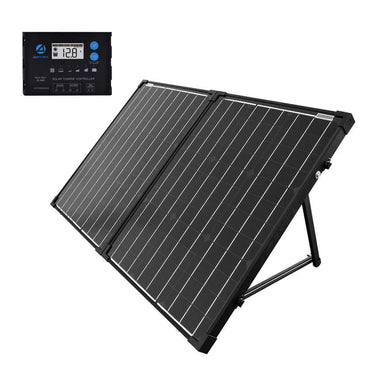
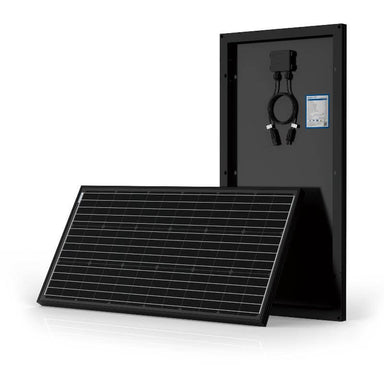
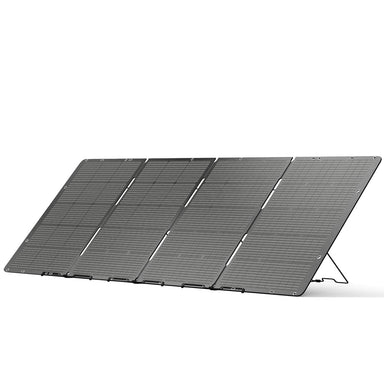
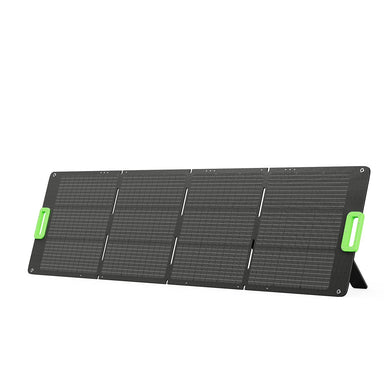
Transform your apartment balcony into a renewable energy source with our curated collection of the best solar panels designed specifically for balcony installations. Whether you're a renter seeking portable power solutions, a condo owner looking to reduce electricity costs, or an eco-conscious urbanite wanting to minimize your carbon footprint, balcony solar panels offer an accessible path to energy independence without requiring rooftop access or permanent modifications. Our selection features high-efficiency monocrystalline panels ranging from compact 100W units perfect for device charging and small appliances, to powerful 400W folding systems capable of offsetting substantial portions of your household energy consumption. Each panel in this collection has been selected for its portability, weather resistance, and ease of setup—featuring adjustable tilt stands, wheeled carts for optimal positioning, extended cable lengths for indoor connections, and IP67 waterproof ratings to withstand the elements. These plug-and-play solar solutions require no electrical expertise, no landlord approval in most cases, and move with you when you relocate, making them the ideal renewable energy investment for modern apartment living. Discover how even limited balcony space can generate meaningful solar power and start reducing your electricity bills today.

Key Takeaways

  • Balcony solar panels typically range from 100W to 400W, perfect for offsetting small appliance energy consumption in apartments and condos
  • Monocrystalline panels with IP67 waterproof ratings offer the best efficiency and durability for outdoor balcony installations
  • Portable and foldable designs with adjustable tilt stands maximize sun exposure throughout the day without permanent installation
  • Most balcony solar setups can reduce electricity bills by 10-30% depending on panel wattage, sun exposure, and energy consumption patterns

What should you look for in balcony solar panels?

When selecting balcony solar panels, prioritize compact, high-efficiency monocrystalline panels that deliver maximum power output in limited space. Look for panels with IP67 or higher waterproof ratings to withstand rain, humidity, and outdoor conditions. Portability features like folding designs, adjustable tilt stands, or wheeled carts make positioning and seasonal storage much easier. Cable length is crucial—opt for panels with at least 20-50 feet of cable to reach your balcony door or window for indoor battery connection. Weight matters too; panels between 15-35 pounds offer the best balance of power capacity and manageability. Finally, ensure the voltage output (typically 12V or 24V) matches your power station, battery system, or charge controller requirements for seamless integration.

How do you choose the right solar panel wattage for your balcony?

  • 100W panels are ideal for charging small devices, laptops, phones, and LED lights—perfect for supplemental power or emergency backup in apartments
  • 200W panels can power small refrigerators, fans, TVs, and multiple device charging simultaneously—suitable for regular daily use and moderate energy needs
  • 400W panels provide substantial power for running larger appliances, air circulators, or offsetting significant portions of household electricity consumption
  • Consider your balcony size constraints: measure available space and ensure panels fit comfortably with room for optimal angle adjustment
  • Assess your sun exposure: south-facing balconies (north-facing in Southern Hemisphere) with 4-6 hours of direct sunlight justify higher wattage investments
  • Calculate your energy goals: review your electricity bill to identify which appliances or percentage of consumption you want to offset with solar power

Frequently Asked Questions

Are balcony solar panels worth it?
Yes, balcony solar panels are worth it for apartment dwellers and renters who want to reduce electricity costs and gain energy independence without rooftop access. While balcony panels typically generate less power than full rooftop systems due to space limitations and potential shading, they can still offset 10-30% of your electricity bill depending on wattage and sun exposure. A 100W panel in optimal conditions generates approximately 400-500 watt-hours daily, enough to power laptops, charge devices, or run LED lighting. The investment typically pays for itself within 3-5 years, and portable balcony panels offer the significant advantage of moving with you when you relocate. Beyond financial savings, they provide emergency backup power during outages, reduce your carbon footprint, and require no permanent installation or landlord approval in most cases. For urban residents committed to sustainability and energy cost reduction, balcony solar panels represent an accessible entry point into renewable energy.
Can I put solar panels on my balcony?
Yes, you can put solar panels on your balcony in most situations, though there are important considerations. Portable, freestanding solar panels that don't require drilling or permanent mounting typically don't need landlord permission, as they're considered temporary personal property like furniture. However, always check your lease agreement and building regulations, as some HOAs or condo associations have specific rules about balcony modifications or visible equipment. Structurally, balconies easily support solar panels—most panels weigh 15-40 pounds, well within standard balcony load capacities. The key requirements are: adequate sun exposure (at least 4-6 hours of direct sunlight daily), sufficient space for the panel dimensions, and a way to route cables indoors to your power station or battery (usually through a door or window gap). Adjustable tilt stands or wheeled carts make positioning easy without permanent installation. For optimal results, south-facing balconies (in the Northern Hemisphere) work best, though east or west-facing balconies can still generate meaningful power. Always ensure panels are secured against wind and weather.
What is the 33% rule in solar panels?
The 33% rule in solar panels refers to the general guideline that your solar charge controller or inverter capacity should be approximately 33% larger than your total solar panel wattage to accommodate peak power conditions and ensure system safety. For example, if you have 300W of solar panels, you should use a charge controller rated for at least 400W (300W × 1.33 = 399W). This buffer accounts for temporary power spikes during optimal sun conditions, prevents controller overload, and allows for future system expansion. The rule also applies to current calculations: divide your panel wattage by system voltage, then multiply by 1.33 to determine required controller amperage. For a 100W panel on a 12V system: (100W ÷ 12V) × 1.33 = 11.1 amps, so you'd want a 15A or 20A controller. This safety margin protects your equipment, maximizes efficiency, and ensures reliable charging performance across varying weather conditions. Following the 33% rule prevents bottlenecks that would waste your solar panel's potential and extends the lifespan of your entire solar power system.
Why is my electric bill so high if I have solar panels?
If your electric bill remains high despite having solar panels, several factors may be at play. First, balcony solar panels typically generate 100-400W, which offsets only a portion of household consumption—the average home uses 30 kWh daily (1,250W continuous), so even a 400W panel only covers about 10-15% of total usage. Second, your panels may not be optimally positioned: shading from buildings, incorrect tilt angles, or insufficient sun exposure dramatically reduce output. Third, timing mismatches occur when your solar generation peaks midday but your highest consumption happens morning and evening—without battery storage, this solar energy goes unused. Fourth, seasonal variations mean winter months produce 40-60% less solar power than summer, increasing winter bills. Fifth, increased energy consumption often accompanies solar installation as people feel comfortable using more electricity. Finally, utility connection fees, demand charges, and minimum monthly fees remain even with solar. To maximize savings: verify your panels receive 4-6 hours direct sunlight, add battery storage to capture excess daytime generation for evening use, monitor production with a meter to ensure panels perform as expected, and continue energy conservation practices to maximize your solar investment's impact.
How much power can a balcony solar panel generate?
A balcony solar panel's power generation depends on its wattage rating and sun exposure conditions. A 100W panel in optimal conditions (full sun, proper angle, clear skies) generates approximately 400-500 watt-hours per day, enough to power a laptop for 8-10 hours or charge smartphones 20-30 times. A 200W panel produces roughly 800-1,000 watt-hours daily, sufficient to run a small refrigerator, multiple devices, or LED lighting throughout your apartment. A 400W panel can generate 1,600-2,000 watt-hours per day, offsetting significant household consumption including TVs, fans, and kitchen appliances. However, real-world generation is typically 60-80% of theoretical maximum due to suboptimal angles, partial shading, weather conditions, and seasonal variations. Balcony panels often face challenges like building shadows, non-ideal orientation, and limited adjustment options compared to rooftop installations. To calculate your specific potential: multiply panel wattage by 4-5 hours (average peak sun hours) and apply a 0.75 efficiency factor. For example, a 200W panel: 200W × 4.5 hours × 0.75 = 675 watt-hours daily. Track actual performance with a power meter to optimize positioning and set realistic expectations for your electricity bill reduction.

Sources

  • Solar Panels For Apartment Balconies: Complete 2025 Installation ... — solartechonline.com
  • TOP—5. Best Balcony Solar Systems with Battery Storage 2025 — www.youtube.com
  • Balcony Solar Panels - A1 SolarStore Magazine — a1solarstore.com
  • — www.reddit.com
  • Best Solar Panels of 2025: Expert Guide | SolarReviews — www.solarreviews.com
close
close
close
I have a question
sparkles
close
product
Hello! I am very interested in this product.
gift
Special Deal!
sparkles