
Skip to content

Best Solar Panels for Cabins - Nature's Generator

Transform your cabin into a self-sufficient off-grid retreat with our premium solar panel collection, specifically curated for remote and rustic living environments. Whether you're powering a cozy weekend getaway or a full-time mountain homestead, our monocrystalline solar panels deliver reliable, clean energy in the challenging conditions cabins face—from dense forest shade to extreme weather and seasonal sunlight variations. Our collection ranges from portable 100W solutions perfect for basic lighting and device charging to robust 4,100W systems capable of running all modern appliances including refrigerators, water pumps, power tools, and climate control. Each panel features advanced monocrystalline or PERC half-cell technology for maximum efficiency, IP67 or IP68 weather ratings to withstand snow loads and temperature extremes, and flexible installation options including wheeled carts, folding designs, and aluminum mounting racks. Start small with a single panel and expand as your energy needs grow, or invest in complete multi-panel systems for immediate energy independence. Discover the freedom of off-grid cabin living without sacrificing modern conveniences—explore our solar solutions designed specifically for the unique demands of cabin life.

Key Takeaways

  • Monocrystalline solar panels offer 15-22% higher efficiency than other types, crucial for limited cabin roof space and shaded forest environments
  • A typical small cabin (400-600 sq ft) requires 1,200-2,400W of solar capacity, while larger cabins may need 3,000-5,000W depending on appliance usage
  • IP67 and IP68 weather ratings ensure solar panels withstand harsh cabin conditions including snow loads, heavy rain, and extreme temperature fluctuations
  • Scalable systems allow you to start with a small setup (100-400W) and expand as your cabin's energy needs grow over time

What should you look for in solar panels for cabin installations?

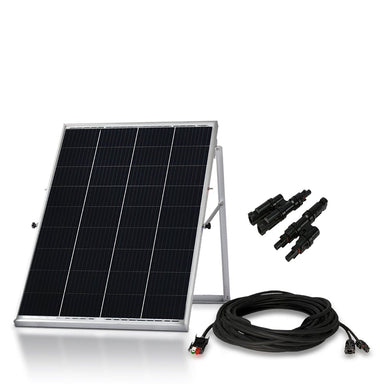
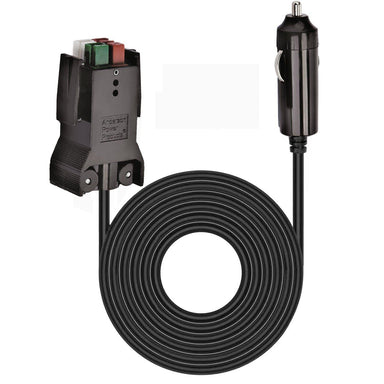
When selecting solar panels for your cabin, prioritize monocrystalline technology for maximum efficiency in limited space and partial shade conditions common in wooded areas. Look for IP67 or IP68 weather resistance ratings to ensure durability against snow, rain, ice, and temperature extremes that cabins typically experience. Panel wattage should match your energy consumption—100-400W panels work for basic lighting and device charging, while 410W panels or multi-panel systems (2,000-4,100W) support full appliances including refrigerators, water pumps, and heating systems. Consider portability features like folding designs or wheeled carts if you need seasonal setup flexibility, and verify compatibility with your battery storage system through proper connectors like Anderson plugs. PERC (Passivated Emitter and Rear Cell) half-cell technology offers improved performance in low-light conditions and better heat tolerance, making it ideal for year-round cabin use.

How do you choose the right solar panel system size for your cabin needs?

  • Calculate daily energy consumption by listing all appliances and their wattage × hours used (LED lights: 10W × 5hrs = 50Wh, refrigerator: 150W × 24hrs = 3,600Wh, water pump: 300W × 2hrs = 600Wh)
  • Add 25-30% buffer capacity to account for cloudy days, seasonal sunlight variations, and battery charging inefficiencies common in off-grid systems
  • Consider expandability by starting with a foundational system (400-820W) that can grow with multi-pack options as your cabin usage increases
  • Match panel voltage to your battery bank (12V systems for small cabins, 24V or 48V for larger installations) and ensure proper charge controller compatibility
  • Evaluate mounting options including roof racks, ground mounts with aluminum frames, or portable solutions with wheels for seasonal cabins that require winter storage

Frequently Asked Questions

How big of a solar system do I need for my cabin?
The size of your cabin solar system depends on your daily energy consumption and usage patterns. A weekend cabin with basic lighting, phone charging, and a small 12V refrigerator typically needs 400-800W of solar panels with 200-400Ah battery storage. A full-time cabin with standard appliances (refrigerator, water pump, lights, electronics) requires 2,000-3,000W of panels with 400-800Ah battery capacity. For larger cabins with heating, air conditioning, or power tools, consider 3,000-5,000W systems. Calculate your needs by listing all devices, their wattage, and daily usage hours, then multiply total watt-hours by 1.3 to account for system losses. For example, if you use 4,000Wh daily, you'll need approximately 1,600W of solar panels (assuming 4 peak sun hours). Our 410W panels in 2-pack (820W) or 10-pack (4,100W) configurations offer scalable solutions for any cabin size.
What is the 33% rule in solar panels?
The 33% rule states that your solar charge controller should be rated at least 33% higher than your solar panel array's maximum output current to prevent overheating and ensure longevity. This rule accounts for unexpected current spikes during optimal conditions when panels may exceed their rated output due to cool temperatures or reflected light from snow. For example, if you install a 2,000W solar array at 12V (approximately 167 amps), your charge controller should handle at least 222 amps (167 × 1.33). This safety margin protects your equipment and maintains efficient charging. When using our 410W panels in multi-panel configurations, ensure your charge controller is properly sized—a 10-pack system (4,100W) at 24V produces roughly 171 amps, requiring a controller rated for at least 227 amps. Modern MPPT charge controllers automatically adjust for these variables, but the 33% rule remains a critical sizing guideline for reliable off-grid cabin systems.
Why is my electric bill so high if I have solar panels?
For cabin owners with grid-tied solar systems, high electric bills typically result from several factors: insufficient solar capacity for actual consumption (your panels generate less than you use), seasonal variations (winter months with less sunlight and higher heating demands), net metering policies that don't credit solar production equally, time-of-use rates where you consume grid power during expensive peak hours, or system performance issues like shading, dirty panels, or inverter problems. Off-grid cabins don't have electric bills but may experience inadequate power if the system is undersized. To optimize your cabin solar investment, ensure your panel capacity matches your highest consumption season—our 410W Mono PERC panels in 10-pack configurations (4,100W total) provide substantial power generation for year-round cabin use. Monitor your production versus consumption monthly, clean panels quarterly, trim overhanging branches creating shade, and consider adding battery storage to maximize self-consumption rather than selling excess power back to the grid at lower rates.
Can a 200 watt solar panel run a 12 volt refrigerator?
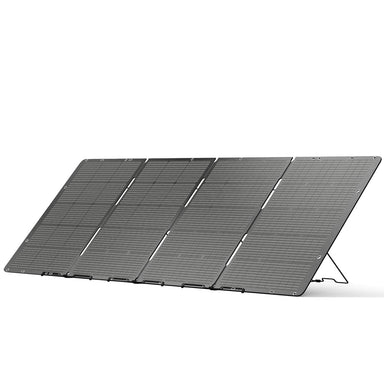
Yes, a 200W solar panel can run a 12V refrigerator, but with important considerations. A typical 12V DC refrigerator (3-4 cubic feet) consumes 30-50W while running and cycles on/off throughout the day, averaging 400-600Wh daily consumption. A 200W panel generates approximately 800-1,000Wh per day in good sunlight conditions (4-5 peak sun hours), providing enough power for the refrigerator with surplus for lights or device charging. However, you'll need adequate battery storage (at least 100-200Ah) to run the refrigerator overnight when panels aren't producing. For reliable cabin refrigeration, we recommend our 400W Monocrystalline Folding Solar Panel, which doubles your generation capacity and provides comfortable headroom for cloudy days and additional cabin loads. Pair it with a proper charge controller and deep-cycle battery bank. If running larger appliances alongside your refrigerator, consider our 410W panels in 2-pack or larger configurations to ensure consistent power availability throughout all seasons without depleting your battery bank.
What's the difference between portable and permanent solar panel installations for cabins?
Portable solar solutions like our 100W panel with wheeled cart or 400W folding panel offer flexibility for seasonal cabins, allowing easy storage during winter months to prevent theft or weather damage, simple repositioning to follow the sun throughout the day, and no permanent roof penetrations that could cause leaks. They're ideal for weekend getaways, hunting camps, or cabins you don't occupy year-round. Permanent installations using our 410W panels with aluminum mounting racks provide higher total capacity (up to 4,100W with our 10-pack), optimized fixed angles for year-round production, greater weather resistance, and lower cost per watt for full-time cabin living. Permanent systems require proper structural assessment, waterproof mounting, and professional installation considerations but deliver superior long-term value. Many cabin owners use a hybrid approach: permanent panels for base loads (refrigeration, water systems) plus portable panels for seasonal demand increases or emergency backup. Consider your cabin usage pattern, security concerns, and power requirements when deciding between these approaches.

Sources

  • Best Solar Panel Kits For Off-Grid Cabins (2025 Guide) — readyoffgrid.com
  • Best Solar Panels for Off-Grid Power: Expert-Tested Picks for Every Setup — offgridsource.com
  • What Are The Best Off-Grid Solar Systems To Buy? — www.solarreviews.com
  • Best Solar Kit for Off-Grid Cabin — www.offgridlivingsolutions.com
  • Off-Grid Solar Kits for Cabins, RVs & Tiny Homes: What to Buy in 2025 — volts.ca
close
close
close
I have a question
sparkles
close
product
Hello! I am very interested in this product.
gift
Special Deal!
sparkles