
Skip to content

Best Solar Panels for Camping - Portable Power Solutions

Harness the power of the sun on your next outdoor adventure with our carefully curated collection of the best solar panels for camping. Whether you're a weekend warrior seeking to keep your devices charged, an RV enthusiast looking for reliable off-grid power, or a backcountry explorer needing lightweight portable energy, our selection of premium solar panels delivers the perfect balance of performance, portability, and durability. From compact 100W monocrystalline kits ideal for solo camping to powerful 200W folding panels that can run refrigerators and multiple devices, each product in this collection has been selected for its proven reliability in outdoor conditions. Modern camping solar panels have evolved far beyond basic trickle chargers—today's monocrystalline technology offers impressive efficiency in compact form factors, while weather-resistant features like IP67 waterproof ratings and ETFE coatings ensure your investment withstands rain, dust, and years of outdoor use. Our collection includes complete kits with extended 50-foot cables for flexible placement, panels with adjustable tilt stands for optimizing sun angle throughout the day, and ultra-portable folding designs that deploy in seconds. Whether you need to charge smartphones and cameras, power laptops for remote work, run LED lighting, or operate a 12V refrigerator for extended trips, you'll find the ideal solar solution here to keep your adventures powered and your connection to nature uninterrupted.

Key Takeaways

  • 100-200W solar panels provide sufficient power for most camping needs including lights, phones, laptops, and small appliances
  • Monocrystalline panels offer superior efficiency and performance in limited space compared to polycrystalline alternatives
  • Portable folding panels with carrying cases are ideal for backpackers, while rigid panels with mounting options suit RV and car camping
  • Look for weather-resistant features like IP67 ratings and ETFE coating to ensure durability in outdoor conditions

What should you look for in camping solar panels?

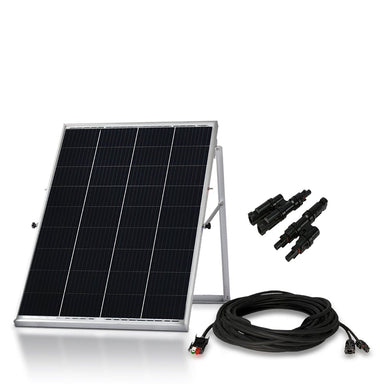
When selecting solar panels for camping, prioritize portability, power output, and durability. The ideal camping solar panel should balance weight with wattage—100W to 200W panels strike an excellent balance for most campers, providing enough power for essential devices without excessive bulk. Monocrystalline technology is preferred for camping applications because it delivers higher efficiency in a smaller footprint, crucial when space is limited. Weather resistance is non-negotiable; look for panels with IP67 waterproof ratings and ETFE coating that protects against rain, dust, and UV damage. Consider the setup mechanism—folding panels with integrated kickstands deploy quickly, while panels with adjustable tilt stands allow you to optimize sun angle throughout the day. Cable length matters too; 50-foot cables provide flexibility in panel placement away from your tent or vehicle. Finally, ensure compatibility with your power station or battery system through standard MC4 connectors, and verify the controller amperage matches your panel's output to prevent overcharging.

How do you choose the right solar panel wattage for camping needs?

  • Calculate your daily power consumption by adding up the watt-hours of all devices you'll charge (smartphone: 10-15Wh, laptop: 50-100Wh, portable fridge: 400-600Wh daily)
  • Account for inefficiency and weather conditions by multiplying your total consumption by 1.5-2x to ensure adequate power generation even on partly cloudy days
  • Match panel size to camping style: backpackers need lightweight 100W folding panels, car campers can use larger 200W panels, and RV users may benefit from multiple panels or higher wattage systems
  • Consider peak sun hours in your camping location—most areas receive 4-6 hours of optimal sunlight, so a 100W panel generates approximately 400-600Wh per day under ideal conditions
  • Factor in future needs and device expansion; purchasing slightly more capacity than currently needed provides flexibility for additional electronics or longer trips

Frequently Asked Questions

What is the 33% rule in solar panels?
The 33% rule in solar panels refers to a guideline for optimal battery charging, stating that your solar panel wattage should be approximately 33% (or one-third) of your battery's amp-hour capacity when multiplied by system voltage. For example, if you have a 100Ah 12V battery (1,200Wh capacity), you'd want roughly 400W of solar panels for efficient charging. This rule ensures your battery can fully recharge during available daylight hours while accounting for inefficiencies in the charging process. However, for camping applications, this rule is often relaxed since campers typically have smaller power needs and longer charging windows. A 100W panel can effectively maintain and charge a 50-100Ah battery for typical camping usage, especially when you're not depleting the battery completely each day. The rule serves as a starting point, but your actual needs depend on daily consumption, available sunlight hours, and how quickly you need to recharge your battery bank.
Can a 200-watt solar panel run a 12 volt refrigerator?
Yes, a 200-watt solar panel can run a 12-volt refrigerator, but with important considerations. A typical 12V camping refrigerator consumes 30-50 watts while running and cycles on and off throughout the day, averaging 400-600Wh of energy over 24 hours. A 200W solar panel generates approximately 800-1,200Wh per day in good sunlight conditions (4-6 peak sun hours), which is sufficient to power the refrigerator with energy to spare for other devices. However, you'll need a battery bank to store energy for nighttime operation since the refrigerator runs 24/7 while solar panels only generate power during daylight. A 100Ah 12V battery (1,200Wh capacity) paired with a 200W panel creates a reliable system for continuous refrigerator operation. The key is ensuring your battery has enough capacity to run the fridge overnight, then the solar panel recharges the battery during the day. In cloudy conditions or during winter months with fewer sun hours, you may need to supplement with additional charging methods or reduce power consumption to maintain consistent refrigerator operation.
What is a good wattage for solar panels for camping?
For most camping scenarios, 100-200 watts is the sweet spot for solar panel capacity. A 100W solar panel is ideal for lightweight camping, providing enough power to charge smartphones, tablets, cameras, laptops, and LED lights—perfect for weekend trips or minimalist campers. This wattage generates approximately 400-600Wh per day, sufficient for basic electronics and small devices. For extended camping trips or when running power-hungry equipment like portable refrigerators, fans, or CPAP machines, 200W panels offer better performance and faster charging times. They produce 800-1,200Wh daily, supporting more substantial power needs without worry. Car campers and RV users can comfortably use 200W+ systems since weight and portability are less critical. Consider that 100W per person is a reasonable baseline—solo campers do well with 100W, couples might prefer 200W, and families or group camping setups benefit from 300W or more. The beauty of modular solar systems is scalability; you can start with one 100W panel and add another later if your power needs grow, making it a flexible investment for evolving camping styles.
What will a 400 watt solar panel run in an RV?
A 400-watt solar panel system in an RV can power a substantial array of appliances and devices, making it suitable for extended off-grid camping. With proper battery storage, 400W generates approximately 1,600-2,400Wh per day in good conditions, enough to run: LED lighting throughout the RV (50-100Wh daily), a 12V refrigerator (400-600Wh), laptops and phone charging (100-200Wh), a TV and entertainment system for several hours (150-300Wh), water pump (50-100Wh), and ventilation fans (100-200Wh). You'll have power remaining for occasional use of a microwave (though high-wattage appliances require careful management), hair dryers on low settings, or charging power tools. What a 400W system typically cannot continuously run includes air conditioners (which require 1,500-3,500W), electric space heaters, full-size residential refrigerators, or multiple high-draw appliances simultaneously. The key to maximizing a 400W system is having adequate battery capacity (at least 200-400Ah at 12V) to store generated energy and using an efficient inverter. This wattage represents an excellent mid-range setup for RV boondocking, allowing comfortable living without constantly worrying about power conservation, though you'll still need to be mindful of usage patterns with high-consumption devices.
Are folding solar panels better than rigid panels for camping?
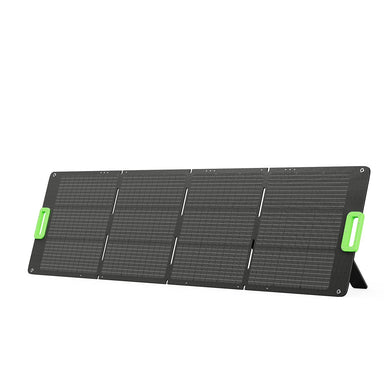
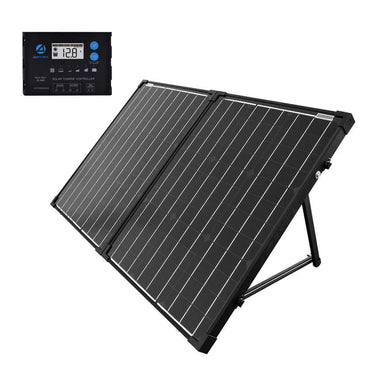
Folding solar panels and rigid panels each offer distinct advantages for camping, with the best choice depending on your camping style. Folding panels excel in portability and convenience—they collapse into compact briefcase-style cases with integrated handles, making them easy to transport, store, and deploy. They typically include built-in kickstands for angle adjustment, charge controllers, and cables in one package, perfect for backpackers, tent campers, or those with limited storage space. Folding panels can be positioned away from your campsite in optimal sun exposure while you remain in the shade. However, they're generally more expensive per watt and may be less durable over time due to hinges and folding mechanisms. Rigid panels are more cost-effective, extremely durable, and ideal for semi-permanent or permanent RV installations using mounting brackets and tilt stands. They withstand harsh weather better and often have longer lifespans. For dedicated RV or van camping where panels remain mounted, rigid panels make sense. For varied camping styles requiring frequent setup and teardown, folding panels offer unmatched convenience. Many serious campers eventually own both types, using folding panels for portable power and rigid panels for vehicle-mounted installations.

Sources

  • Best Solar Panels for Power Stations of 2025 — www.outdoorgearlab.com
  • Must-Watch Before Buying a Portable Solar Panel — www.youtube.com
  • This Solar Hack Lets You Work From National Parks While Camping — www.energysage.com
  • NZ Fun Adventures Camping | Recommendations for solar panel kits for tent camping | Facebook — www.facebook.com
  • Best Portable Solar Panels of 2025 - CNET — www.cnet.com
close
close
close
I have a question
sparkles
close
product
Hello! I am very interested in this product.
gift
Special Deal!
sparkles