
Skip to content

Best Solar Panels for Greenhouse - Nature's Generator

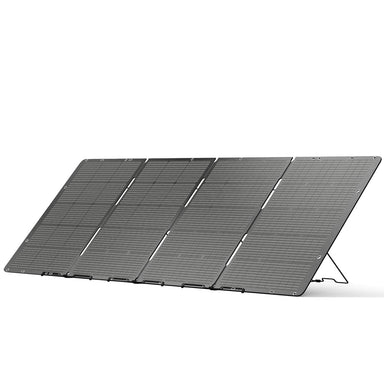
Transform your greenhouse into a self-sustaining growing environment with our premium selection of solar panels specifically chosen for agricultural applications. Whether you're operating a small hobby greenhouse or a commercial growing operation, reliable off-grid power is essential for maintaining optimal growing conditions year-round. Our curated collection features high-efficiency monocrystalline solar panels ranging from compact 100W systems perfect for small greenhouse automation to robust 4100W multi-panel setups capable of powering comprehensive climate control systems. Each solar panel in this collection is selected for superior performance in greenhouse environments, featuring advanced PERC half-cell technology that maximizes energy capture even in partially shaded conditions, and IP67-IP68 weather resistance ratings that withstand the humidity, temperature fluctuations, and moisture exposure inherent to greenhouse operations. From adjustable tilt stands that optimize solar angle throughout growing seasons to complete mounting rack systems for permanent installations, these solutions provide the energy independence needed to run grow lights, ventilation fans, irrigation systems, heating mats, and environmental monitoring equipment without relying on expensive grid power or noisy generators. Invest in sustainable greenhouse power that reduces operational costs, enables remote growing locations, and aligns with eco-conscious agricultural practices while ensuring your plants receive consistent care regardless of grid availability or weather conditions.

Key Takeaways

  • Greenhouse solar panels typically require 100-400W for basic operations, while larger commercial setups may need 2000W+ systems for climate control and automation
  • Monocrystalline PERC half-cell technology offers superior efficiency in partial shade conditions common around greenhouse structures
  • IP67-IP68 rated panels withstand humid greenhouse environments and weather exposure better than standard residential panels
  • Adjustable tilt stands and mounting racks optimize solar capture throughout seasonal changes, critical for year-round greenhouse operations

What should you look for in solar panels for greenhouses?

The ideal solar panel for greenhouse applications must balance power output, durability, and environmental resistance. Monocrystalline panels are preferred for greenhouse installations because they deliver higher efficiency in limited space and perform better in lower light conditions—essential when panels are positioned near or on greenhouse structures that may create partial shading. Look for panels with IP67 or IP68 ratings, which provide superior protection against moisture, humidity, and dust that are prevalent in greenhouse environments. PERC (Passivated Emitter and Rear Cell) technology is particularly valuable as it captures more light from both direct and reflected sources, maximizing energy production when panels are installed near reflective greenhouse glazing. Consider systems with adjustable mounting options to optimize angle throughout growing seasons, and ensure compatibility with 12V battery systems for reliable energy storage during nighttime operations or cloudy periods.

How do you choose the right solar panel system for your greenhouse needs?

  • Calculate your total power consumption including grow lights, ventilation fans, heating mats, irrigation pumps, and climate monitoring systems to determine minimum wattage requirements
  • Assess your installation space and opt for high-efficiency monocrystalline panels if roof or ground area is limited, or consider multi-panel packs for larger commercial greenhouse operations
  • Evaluate weather resistance ratings (IP67-IP68) based on your climate zone, humidity levels, and exposure to rain, snow, or dust that could compromise panel performance
  • Consider scalability by choosing systems compatible with expansion—folding panels for portable setups or mounting rack systems for permanent installations that can accommodate additional panels
  • Match panel voltage (12V systems) with your existing or planned battery storage to ensure seamless integration with greenhouse automation and backup power requirements

Frequently Asked Questions

How much solar power do I need for a greenhouse?
The solar power requirements for a greenhouse vary significantly based on size, climate control needs, and automation level. A small hobby greenhouse (8x10 feet) typically requires 100-400W for basic operations like LED grow lights, small circulation fans, and automated watering systems. Medium-sized greenhouses (10x20 feet) generally need 800-1600W to power additional heating mats, larger ventilation systems, and extended lighting schedules. Commercial or year-round greenhouses often require 2000-4100W or more to support climate control systems, supplemental heating, automated shade systems, and comprehensive environmental monitoring. To calculate your specific needs, list all electrical devices, note their wattage and daily runtime hours, then multiply total watt-hours by 1.5 to account for system losses and cloudy days. For example, if you run 200W of grow lights for 12 hours (2400Wh) plus 50W of fans for 8 hours (400Wh), you'd need approximately 4200Wh daily, requiring a 400-800W solar array depending on your location's sun hours.
What is the 33% rule in solar panels?
The 33% rule in solar panels refers to the optimal operating principle that your solar panel wattage should be approximately 33% higher than your inverter or charge controller rating to achieve maximum efficiency. This rule accounts for real-world conditions where panels rarely operate at their peak rated capacity due to temperature variations, angle inefficiencies, dust accumulation, and atmospheric conditions. For greenhouse applications, this means if you're using a 300W charge controller, you should install approximately 400W of solar panels to ensure the controller operates at its optimal capacity during peak sun hours. This oversizing strategy is particularly important for greenhouse operations because it compensates for shading from greenhouse structures, seasonal sun angle changes, and the high humidity that can reduce panel efficiency. The 33% buffer also ensures adequate power generation during shoulder hours (early morning and late evening) when greenhouse climate control is often most critical, and provides headroom for future expansion of your greenhouse electrical systems without requiring a complete solar redesign.
Can a 200 watt solar panel run a 12 volt refrigerator?
Yes, a 200W solar panel can run a 12-volt refrigerator, but success depends on the refrigerator's power consumption, your battery storage capacity, and daily sun exposure. Most 12V refrigerators designed for RVs or off-grid use consume between 30-55W while running, but they cycle on and off throughout the day, typically operating 8-12 hours in a 24-hour period. This translates to approximately 240-660Wh of daily energy consumption. A 200W solar panel in optimal conditions (5-6 peak sun hours) generates roughly 1000-1200Wh per day, providing sufficient power for the refrigerator with excess capacity. However, for greenhouse applications where you might store seeds, fertilizers, or temperature-sensitive materials, you'll need adequate battery storage (at least 100Ah 12V deep-cycle battery) to maintain refrigeration during nighttime and cloudy periods. The system works best when the solar panel charges batteries during the day, which then power the refrigerator continuously. Consider that greenhouse environments may reduce panel efficiency due to humidity and potential shading, so a 200W panel provides a comfortable margin for reliable refrigerator operation with some capacity remaining for other small greenhouse devices.
Do solar panels work in greenhouses?
Yes, solar panels work excellently for greenhouse applications, though they're typically installed on or near the greenhouse rather than inside it. Solar panels can be mounted on greenhouse roofs (if the structure can support the weight and some shading is acceptable), on adjacent ground with adjustable tilt stands, or on separate pole mounts positioned to avoid shading the growing area. Modern greenhouse operators increasingly use solar power because it provides energy independence for remote growing locations, reduces operational costs, and aligns with sustainable agriculture practices. The key consideration is balancing solar panel placement to maximize electricity generation without compromising light availability for plants. Some innovative designs incorporate semi-transparent solar panels or position standard panels on north-facing greenhouse roof sections (in northern hemisphere) where they minimally impact plant light while still generating substantial power. For greenhouse operations, solar panels are particularly valuable because peak energy generation (midday sun) often coincides with peak greenhouse power demands for ventilation, cooling, and irrigation. The combination of monocrystalline panels with high efficiency ratings (18-22%) and proper battery storage creates reliable off-grid greenhouse systems that can operate independently even during extended cloudy periods, making them ideal for remote growing operations or areas with unreliable grid power.
What size solar panel do I need to run greenhouse fans and lights?
To determine the solar panel size needed for greenhouse fans and lights, calculate the combined wattage and daily runtime of all devices. A typical small greenhouse setup might include 40W of LED grow lights running 12 hours (480Wh) and a 20W circulation fan running 8 hours (160Wh), totaling 640Wh daily. Applying the standard solar sizing formula, divide daily watt-hours by your location's peak sun hours (typically 4-6 hours) and multiply by 1.3 for system losses: 640Wh ÷ 5 hours × 1.3 = 166W minimum panel requirement. For this scenario, a 100-200W panel would suffice. However, larger greenhouses with multiple fans, extensive grow light arrays, or supplemental heating require significantly more capacity. A medium greenhouse with 200W of lighting (12 hours = 2400Wh) and 100W of ventilation (10 hours = 1000Wh) needs approximately 3400Wh daily, requiring a 400-800W solar array. For year-round reliability, especially in winter months with reduced sunlight, oversizing your system by 50-100% ensures consistent operation. Consider scalable solutions like the 410W panels in multi-packs that allow you to start with adequate capacity and expand as your greenhouse operation grows, ensuring you never compromise plant health due to insufficient power for critical ventilation or lighting systems.

Sources

  • Solar panels for a greenhouse - A1 SolarStore Magazine — a1solarstore.com
  • Solar panels for greenhouse: Expert review 2023 — www.greenandprosperous.com
  • — www.reddit.com
  • Best Solar Panels of 2025: Expert Guide | SolarReviews — www.solarreviews.com
  • Best Solar Kit for Every Need: Home, Shed, RV, Greenhouse & More - SunergyHub - Portable Solar & Emergency Energy Solutions — sunergyhub.com
close
close
close
I have a question
sparkles
close
product
Hello! I am very interested in this product.
gift
Special Deal!
sparkles