
Skip to content

Best Solar Panels for Remote Work Setup - Nature's Generator

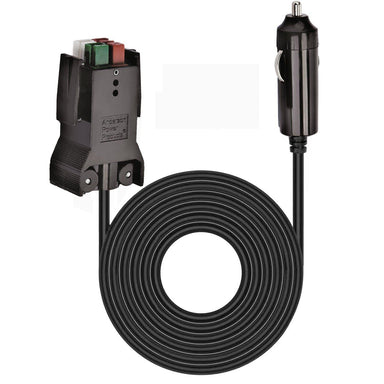
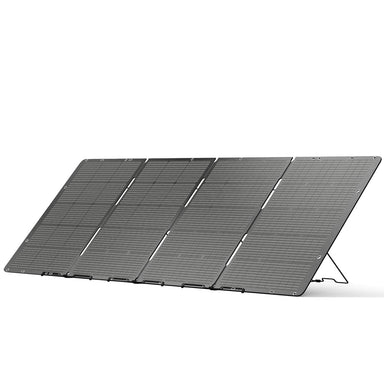
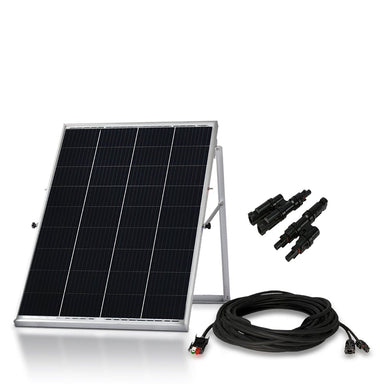
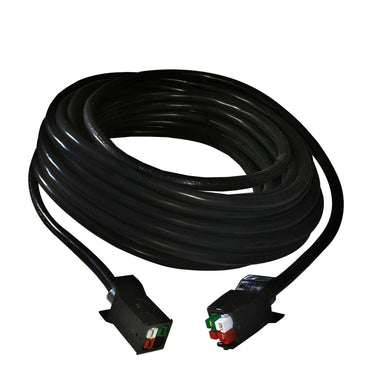
Power your remote work lifestyle with complete freedom using our premium solar panel collection designed specifically for digital professionals, van lifers, and off-grid workers. Whether you're running a laptop from a mountaintop cabin, managing video calls from your RV, or operating a full dual-monitor setup from a remote homestead, our monocrystalline PERC solar panels deliver the reliable, clean energy your productivity depends on. This curated collection features everything from ultra-portable 100W wheeled panels perfect for frequent relocations to powerful 4100W commercial-grade arrays for shared coworking spaces. Each panel utilizes advanced half-cell technology for superior performance in partial shade and extreme temperatures—real-world conditions remote workers face daily. With IP67-IP68 weatherproof ratings, these panels withstand torrential rain, desert dust storms, and freezing mountain conditions while maintaining peak 20-22% efficiency. Our 400W folding panels collapse to briefcase size for digital nomads, while fixed 410W panels provide maximum output for permanent installations. Complete your setup with heavy-duty 50ft extension cables that let you position panels in full sun while working in the shade, and 12V car charger adapters for seamless integration with portable power stations. Stop compromising your career for adventure—achieve both with solar independence that keeps your remote work setup running anywhere under the sun.

Key Takeaways

  • Remote work setups require 200-600W of solar capacity depending on laptop, monitors, and equipment usage
  • Monocrystalline PERC panels offer 20-22% efficiency, ideal for limited space in mobile offices and RVs
  • IP67-IP68 rated panels withstand extreme weather conditions for year-round outdoor remote work reliability
  • Portable folding panels with wheeled carts provide flexibility for digital nomads and temporary workspaces

What should you look for in solar panels for remote work?

When selecting solar panels for remote work, prioritize power output that matches your equipment needs—typically 300-600W for a laptop, monitor, router, and phone charging. Monocrystalline PERC (Passivated Emitter and Rear Cell) technology delivers superior efficiency in the 20-22% range, generating more power per square foot—critical when space is limited in vans, RVs, or outdoor workstations. Weather resistance ratings (IP67 or IP68) ensure your panels survive rain, dust, and temperature extremes during extended outdoor use. Portability features like folding designs, wheeled carts, and extended cables (50ft+) provide setup flexibility for changing sun angles and workspace locations. Finally, compatibility with portable power stations through Anderson connectors or standard MC4 connections ensures seamless integration with battery storage systems that maintain power during cloudy periods or after sunset.

How do you choose the right solar panel configuration for remote work needs?

  • Calculate daily power consumption: Laptop (50-100W × 8 hours), monitor (30-50W × 8 hours), router (10-15W × 24 hours), phone charging (10-20W × 2 hours) = 500-800Wh daily minimum
  • Match panel wattage to usage patterns: Single 400W panel for basic laptop work, 800W+ (2-pack 410W) for multi-monitor setups, 4100W (10-pack) for shared workspaces or commercial applications
  • Consider mobility requirements: 100W wheeled cart panels for frequent relocation, 400W folding panels for van life, fixed 410W panels for permanent remote cabins or off-grid offices
  • Factor in geographic location and season: Northern latitudes or winter work requires 30-50% additional capacity to compensate for reduced sun hours and lower angle radiation
  • Evaluate expansion potential: Start with 2-pack systems and add panels as your remote work setup grows, ensuring all panels use compatible voltage and connector types

Frequently Asked Questions

What is the 33% rule in solar panels?
The 33% rule in solar panels refers to a sizing guideline stating that your solar array should produce approximately 33% more power than your calculated daily consumption. This buffer accounts for real-world efficiency losses including: panel temperature derating (panels lose 10-15% efficiency in heat above 77°F), charge controller conversion losses (5-10%), battery charging inefficiency (10-15%), and suboptimal sun angles during morning and evening hours. For remote work requiring 800Wh daily, applying the 33% rule means installing 1,066W of solar capacity (roughly three 400W panels or a 2-pack of 410W panels plus a 100W portable unit). This oversizing ensures consistent power even on partly cloudy days and during winter months when sun intensity decreases by 20-40% compared to summer peaks.
Which solar panel is used for remote power?
Monocrystalline solar panels are the preferred choice for remote power applications due to their superior efficiency (20-22%), durability, and space-saving design. Specifically, monocrystalline PERC (Passivated Emitter and Rear Cell) half-cell technology—like the 410W panels—offers the best performance for off-grid remote work. These panels feature split cells that reduce resistive losses and perform better in partial shade conditions common in forest clearings or mountainous terrain. The IP68 waterproof rating ensures operation in rain, snow, and humid environments. For maximum portability, 400W folding panels with IP67 ETFE coating provide weather resistance while collapsing to briefcase size for digital nomads. The half-cell configuration also means if one section is shaded, the other half continues producing power—essential for unpredictable remote locations where optimal panel positioning isn't always possible.
What is the 20% rule for solar panels?
The 20% rule for solar panels typically refers to two important concepts in solar system design. First, it's a utility interconnection guideline stating that solar capacity shouldn't exceed 120% of the electrical service panel's rating—though this applies primarily to grid-tied systems rather than off-grid remote work setups. More relevant for remote workers, the 20% rule also describes the efficiency threshold: quality monocrystalline panels should achieve at least 20% conversion efficiency to be considered suitable for space-constrained applications. The 410W monocrystalline PERC panels exceed this threshold at 21-22% efficiency, meaning they convert more than one-fifth of incoming sunlight into usable electricity. This high efficiency is crucial for remote work setups with limited roof space on RVs, vans, or small cabins. Lower efficiency panels (15-17%) would require 30-40% more surface area to generate equivalent power, making them impractical for mobile remote work environments.
Why are people getting rid of their solar panels?
While rare in off-grid applications, some people remove solar panels from grid-tied homes due to: roof replacement needs (panels must be temporarily removed), home sales where buyers prefer conventional power, or upgrading to higher-efficiency models as technology improves. However, these concerns don't apply to remote work solar setups, which use portable or ground-mounted systems. For remote workers, the main reasons for changing panels include: upgrading from entry-level 100W panels to 400W+ systems as power needs grow, switching from rigid panels to folding designs for increased mobility, or consolidating multiple small panels into fewer high-wattage units for simplified cable management. The quality monocrystalline panels designed for off-grid use typically last 25-30 years with minimal degradation (0.5% annually), making them a long-term investment for remote work. Modern IP67-IP68 rated panels resist corrosion and weather damage far better than older generations, eliminating the premature failure issues that occasionally plagued earlier solar technology.
How many solar panels do I need to power a laptop and monitor for remote work?
A typical remote work setup with a laptop (65W), external monitor (40W), router (12W), and phone charging (18W) consumes approximately 135W continuously, or 1,080Wh over an 8-hour workday. Accounting for battery storage inefficiency and the need to charge batteries for evening work, you'll need 300-400W of solar capacity minimum. A single 400W folding panel or 410W fixed panel provides sufficient power for this basic setup in areas with 4-5 peak sun hours daily. For multi-monitor setups, video editing, or running additional equipment like printers or external hard drives, a 2-pack of 410W panels (820W total) ensures reliable power with reserve capacity for cloudy days. Include a 50ft extension cable for optimal panel positioning away from your workspace, and pair with a lithium power station (1000Wh+ capacity) to store excess daytime generation for uninterrupted work after sunset. Digital nomads who relocate frequently should consider the 100W wheeled cart panel as a supplementary charging source that can be easily repositioned throughout the day to follow the sun's path.

Sources

  • Best Solar Panels of 2025 — www.consumerreports.org
  • Best Solar Panels of 2025: Expert Guide | SolarReviews — www.solarreviews.com
  • Solar Panel Buying Guide: Picking the Right Panel for You - CNET — www.cnet.com
  • — www.reddit.com
  • This Solar Hack Lets You Work From National Parks While Camping — www.energysage.com
close
close
close
I have a question
sparkles
close
product
Hello! I am very interested in this product.
gift
Special Deal!
sparkles