
Skip to content

Best Solar Panels for Van Life - Nature's Generator

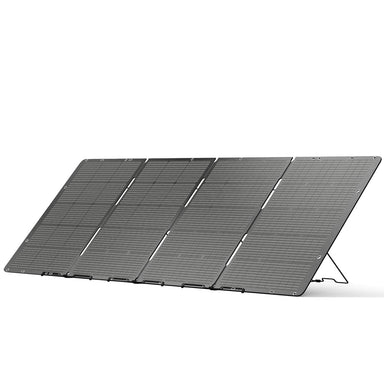
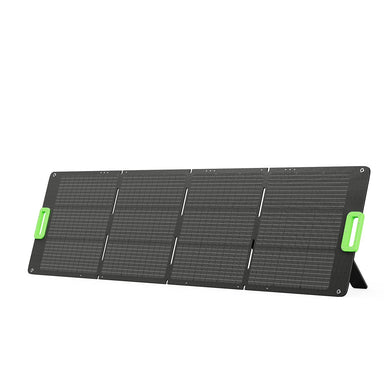
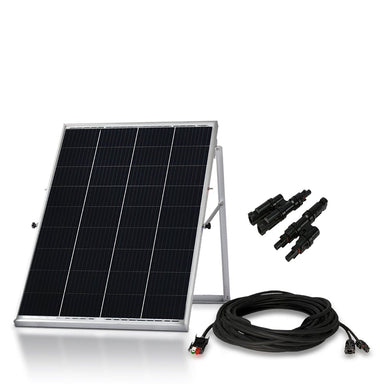
Powering your van life adventures requires reliable, efficient solar solutions designed for life on the road. Whether you're a weekend warrior exploring national parks or a full-time nomad living off-grid year-round, the right solar panel system transforms your van into a self-sufficient home on wheels. Our curated collection of solar panels for van life features high-efficiency monocrystalline technology, weather-resistant construction, and flexible installation options to match every travel style and power requirement. From compact 100W panels perfect for maintaining essential electronics to robust 400W folding systems capable of running refrigerators and laptops simultaneously, each product is selected for durability, portability, and real-world performance in diverse conditions. Monocrystalline panels deliver superior efficiency in the limited roof space available on vans, campers, and RVs, while IP67-rated weatherproofing ensures reliable operation through rain, dust, and temperature extremes. Whether you need permanently mounted panels for set-it-and-forget-it convenience, portable folding options for maximum sun-tracking flexibility, or a combination of both, this collection provides complete solar solutions to keep your batteries charged and your adventures unlimited. Explore our range of 100W to 400W systems, complete with adjustable stands, wheeled carts, and extended cables designed specifically for the unique demands of mobile off-grid living.

Key Takeaways

  • 100-200W solar panels provide sufficient power for basic van life needs like lighting, phones, and laptops
  • Monocrystalline panels offer superior efficiency and performance in limited roof space compared to polycrystalline
  • Portable folding panels with IP67 ratings provide flexibility and weather resistance for off-grid adventures
  • Proper sizing requires calculating your daily power consumption and accounting for weather variations and battery capacity

What should you look for in solar panels for van life?

When selecting solar panels for van life, prioritize efficiency, durability, and installation flexibility. Monocrystalline panels are ideal for van conversions because they deliver higher efficiency ratings (typically 18-22%) in smaller footprints, maximizing power generation from limited roof space. Look for panels with IP67 or higher weatherproof ratings to withstand rain, dust, and temperature fluctuations during travel. Consider whether you need permanently mounted panels, portable folding options, or a combination of both. Portable panels with adjustable tilt stands optimize sun angle throughout the day, increasing energy capture by 20-40%. ETFE coating provides superior light transmission and longevity compared to traditional glass panels, while remaining lightweight—a critical factor for maintaining vehicle weight limits. Finally, ensure compatibility with your charge controller and battery system, typically 12V for most van life setups, though some systems use 24V for higher capacity installations.

How do you choose the right solar panel wattage for van life?

  • Calculate daily energy consumption by listing all devices and their amp-hour requirements (phones, laptop, lights, fan, refrigerator, etc.)
  • Add 25-30% buffer for inefficiencies, cloudy days, and winter months when sunlight hours decrease significantly
  • Match panel output to battery capacity - a 100Ah battery pairs well with 100-200W of solar, while 200Ah systems benefit from 300-400W
  • Consider your travel style: weekend warriors can use smaller 100-200W systems, while full-time van lifers need 300-600W for consistent power
  • Account for roof space limitations and weight restrictions - most vans accommodate 200-400W comfortably without compromising aerodynamics
  • Evaluate portable vs. fixed panels - combining roof-mounted panels with portable folding panels provides maximum flexibility for parking in shade

Frequently Asked Questions

What is the 33% rule in solar panels?
The 33% rule in solar panels is a guideline suggesting that your solar panel wattage should be approximately 33% of your battery bank's amp-hour capacity (when multiplied by system voltage). For example, a 300Ah 12V battery bank (3,600Wh) would ideally have about 1,200W of solar panels. However, this rule is quite aggressive for van life applications. A more practical approach for van dwellers is matching 1-2 watts of solar per amp-hour of battery capacity, meaning a 100Ah battery would pair with 100-200W of panels. This accounts for real-world conditions like panel angle, shading, weather, and seasonal variations. The 33% rule assumes optimal conditions and rapid recharging, which may be excessive for typical van life usage patterns where batteries rarely fully discharge daily. Most van lifers find success with more conservative ratios, focusing on matching their daily consumption rather than maximum theoretical charging speed.
Can a 200 watt solar panel run a 12 volt refrigerator?
Yes, a 200W solar panel can run a 12V refrigerator, but with important considerations. A typical 12V compressor refrigerator for van life draws 30-50 watts while running, consuming approximately 20-40 amp-hours per day (240-480Wh) depending on size, insulation quality, ambient temperature, and how frequently it's opened. A 200W solar panel produces roughly 50-70 amp-hours daily in good conditions (5-7 peak sun hours), which covers the refrigerator's needs plus additional power for lights and device charging. However, success depends on several factors: adequate battery capacity (minimum 100Ah, ideally 200Ah) to handle nighttime operation and cloudy days, a quality MPPT charge controller to maximize efficiency, and realistic expectations about winter or overcast conditions when output drops significantly. For full-time van life with a refrigerator, many experienced travelers recommend 300-400W of solar capacity to ensure reliable operation year-round without range anxiety, especially when parked in partial shade or traveling through less sunny regions.
What will a 3000 watt solar panel run?
A 3,000W solar panel system can power extensive electrical loads, far exceeding typical van life requirements. This capacity could simultaneously run multiple high-draw appliances including a residential refrigerator (150W), microwave oven (1,000W), air conditioning unit (500-1,500W), induction cooktop (1,800W), laptop computers, LED lighting, water pump, and charge multiple devices. In practical terms, 3,000W of solar generates approximately 12-15 kWh daily in optimal conditions (4-5 peak sun hours), enough to support full-time off-grid living with modern conveniences. However, this system size is impractical for most van conversions due to roof space limitations (requiring approximately 150-180 square feet of panel area), weight concerns (adding 300-400 pounds), and cost considerations. Such capacity is more appropriate for large RVs, buses, or stationary tiny homes. Most van life setups operate comfortably with 200-600W systems. If you're considering this much power, ensure your battery bank can handle the charging current (3,000W produces 250A at 12V), typically requiring 24V or 48V system architecture and 600-1,000Ah of battery storage.
How long will a 200W solar panel charge a 100Ah battery?
A 200W solar panel will fully charge a depleted 100Ah 12V battery in approximately 6-8 hours of peak sunlight under ideal conditions, though real-world charging typically takes 1-2 days. Here's the calculation: a 100Ah 12V battery stores 1,200Wh of energy. A 200W panel produces about 160-180W after system losses (charge controller efficiency, cable resistance, temperature effects), generating roughly 800-1,000Wh on a sunny day with 5-6 peak sun hours. If the battery is 50% discharged (the recommended maximum for longevity), you need to replace 600Wh, which takes approximately one full sunny day. For a completely depleted battery (not recommended for battery health), full recharge requires 1.5-2 days of good sun. Several factors affect charging speed: battery chemistry (lithium charges faster than lead-acid), charge controller type (MPPT is 20-30% more efficient than PWM), panel angle and orientation, temperature (cold reduces panel output, heat reduces efficiency), and shading. For consistent daily use, size your solar array to replace your daily consumption rather than focusing on full battery charging time, typically requiring panels that generate 1.5-2x your daily amp-hour usage.
Should I choose portable or roof-mounted solar panels for my van?
The ideal solution for most van lifers combines both roof-mounted and portable solar panels for maximum flexibility and power generation. Roof-mounted panels (100-200W) provide convenient, always-available charging while driving or parked, with zero setup time and no theft concerns. They're perfect for maintaining batteries and covering baseline power needs. Portable folding panels (200-400W) offer critical advantages: you can park in the shade while positioning panels in direct sunlight, adjust tilt angle throughout the day for optimal sun exposure (increasing output 20-40%), and add supplemental power during high-demand periods or cloudy weather. If you must choose only one, consider your travel style. Full-time van lifers who frequently boondock benefit most from permanent roof installations for reliability and security. Weekend adventurers or those who often park in shaded areas (forests, urban environments) gain more value from portable panels. Roof space, budget, and power requirements also influence the decision. A hybrid approach—100-200W roof-mounted plus a 200W portable panel—provides approximately 300-400W total capacity with maximum versatility for under $1,000, representing the sweet spot for serious van life solar setups.

Sources

  • The Best Solar Panels for Camper Van Systems (2025 Buying Guide) — www.thevanconversion.com
  • Solar Power for Van Life: A Complete Guide ☀️ — engineerswhovanlife.com
  • Best Solar Panels for a DIY Camper Van - EXPLORIST.life — explorist.life
  • COMPLETE Van Life Solar System for UNDER $500 TOTAL! — www.youtube.com
  • Van Life Australia | Recommendations for a good solar panel for my van please | Facebook — www.facebook.com
close
close
close
I have a question
sparkles
close
product
Hello! I am very interested in this product.
gift
Special Deal!
sparkles