
Skip to content

Best Transfer Switch for Portable Generator - Power Solutions

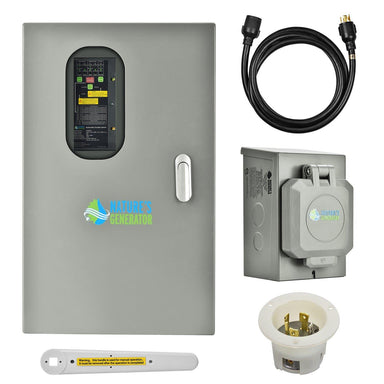
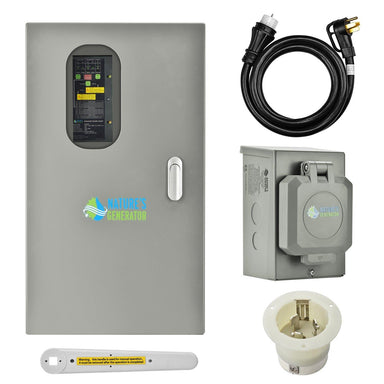
When power outages strike, a reliable transfer switch transforms your portable generator from a simple backup device into a comprehensive home power solution. Unlike dangerous backfeeding methods that risk electrocuting utility workers and violating electrical codes, transfer switches provide a safe, legal, and efficient way to power essential circuits throughout your home. Our curated collection features transfer switches ranging from compact 6-circuit manual panels perfect for powering critical appliances, to sophisticated 16-circuit automatic systems that seamlessly maintain power without requiring you to be home. Whether you're protecting your family during storm season, maintaining business operations during grid failures, or simply seeking peace of mind, selecting the right transfer switch depends on your generator's capacity, the circuits you need to power, and your budget. We offer both manual transfer switches that provide hands-on control at an affordable price point, and automatic transfer switches that detect outages and switch power sources within seconds. Each option includes essential components like weatherproof inlet boxes with corrosion-resistant brass terminals, heavy-gauge steel enclosures rated for indoor or outdoor installation, and compatibility with standard portable generator connections. From 30A systems ideal for smaller 3,500-7,500 watt generators to robust 125A solutions for whole-home coverage, our selection helps you safely harness your portable generator's full potential while maintaining compliance with National Electrical Code requirements.

Key Takeaways

  • Transfer switches range from 30A to 125A capacity, with manual options starting around $200 and automatic models offering hands-free operation
  • Amperage rating must match or exceed your generator's output and the circuits you plan to power during outages
  • Manual transfer switches cost less upfront but require you to be home, while automatic switches provide seamless power transitions
  • Proper installation requires an inlet box, weatherproof connections, and compliance with local electrical codes for safety

What should you look for in a transfer switch for portable generators?

When selecting a transfer switch for your portable generator, prioritize three critical factors: amperage capacity, circuit count, and switch type. The amperage rating should match your generator's output—most portable generators range from 30A to 50A, though some larger units require higher capacity. Circuit count determines how many appliances or areas of your home you can power simultaneously; 6-circuit switches handle essential loads like refrigerators and heating systems, while 16-circuit models provide whole-home coverage. Consider whether a manual or automatic switch best fits your needs—manual switches offer affordability and simplicity but require physical operation, while automatic transfer switches detect power outages and switch seamlessly without human intervention. Additional considerations include enclosure type (indoor panels versus outdoor NEMA-rated boxes), installation complexity, and compatibility with your home's electrical panel. Look for heavy-gauge steel construction, brass terminals for corrosion resistance, and UL-listed components that meet National Electrical Code requirements.

How do you choose the right transfer switch capacity for your needs?

  • Calculate total wattage of essential circuits you want to power (refrigerator, furnace, lights, sump pump) and divide by voltage (120V or 240V) to determine minimum amperage needed
  • Match the transfer switch amperage to your generator's output rating—never exceed your generator's capacity, as this can damage equipment or create safety hazards
  • Consider a 30A switch for smaller portable generators (3,500-7,500 watts) powering 6-10 circuits, or upgrade to 50A switches for larger generators (7,500+ watts) with more comprehensive coverage
  • Account for starting wattage of motor-driven appliances like air conditioners and well pumps, which can require 2-3 times their running wattage during startup
  • Future-proof your installation by selecting a slightly higher capacity switch if you plan to upgrade your generator or add more circuits later

Frequently Asked Questions

What type of transfer switch do I need for a portable generator?
For portable generators, you'll need either a manual or automatic transfer switch rated to match your generator's amperage output. Most homeowners choose between 30A and 50A switches depending on their generator size. Manual transfer switches are the most common choice for portable generators because they're cost-effective, reliable, and straightforward to operate—you simply flip switches to transfer circuits from utility power to generator power during an outage. These typically come in 6-circuit, 8-circuit, or 10-circuit configurations for essential loads. Automatic transfer switches offer convenience by detecting power outages and switching automatically, but they cost significantly more and are often reserved for standby generators. You'll also need a compatible generator inlet box installed on your home's exterior to safely connect your portable generator to the transfer switch. The inlet box should match your generator's plug configuration (typically NEMA L14-30 for 30A or L14-50 for 50A four-prong twist-lock connections). Ensure any transfer switch you select is UL-listed and complies with local electrical codes.
How do you size a transfer switch for a generator?
Sizing a transfer switch involves matching the switch's amperage rating to both your generator's output capacity and your home's power requirements. Start by checking your generator's specifications—most portable generators are rated between 30A and 50A at 240V. Your transfer switch must not exceed this rating. Next, list all the circuits you want to power during an outage and calculate their combined amperage. Essential circuits typically include refrigerator (15-20A), furnace or heating system (15-30A), sump pump (10-15A), lighting circuits (15A each), and select outlets. Add these values together, accounting for the fact that not all circuits will draw maximum power simultaneously. As a general rule, a 30A transfer switch works well for generators producing 3,500-7,500 watts and can handle 6-10 essential circuits. A 50A transfer switch suits larger portable generators (7,500-12,000 watts) and can power more circuits or higher-draw appliances like well pumps or electric water heaters. Always leave a 20-25% capacity buffer to prevent overloading. If your calculations show you need more than your generator can provide, prioritize circuits or consider upgrading your generator.
Will a Generac transfer switch work with a portable generator?
Yes, Generac transfer switches can work with portable generators, but compatibility depends on the specific model and your setup requirements. Generac manufactures both manual and automatic transfer switches, and their manual transfer switches are universally compatible with any portable generator brand, provided the amperage ratings match. You'll need to ensure your portable generator's output (typically 30A or 50A) doesn't exceed the transfer switch's capacity. However, Generac's automatic transfer switches are typically designed for their standby generator systems and may not be the most cost-effective choice for portable generator applications. These automatic units often include features specific to Generac standby generators and come at a premium price point. For portable generators, most homeowners choose brand-agnostic manual transfer switches that offer better value and simpler installation. The key compatibility factors are amperage rating, voltage (120V/240V), and proper wiring configuration. Regardless of brand, you'll need a compatible inlet box on your home's exterior to connect your portable generator to any transfer switch. Always verify that the transfer switch supports your generator's plug configuration and consult local electrical codes before installation.
Is a generator transfer switch worth it?
A generator transfer switch is absolutely worth the investment for safety, convenience, and legal compliance. Without a transfer switch, connecting a portable generator to your home requires dangerous practices like backfeeding through dryer outlets, which can electrocute utility workers, damage your generator, and void your homeowner's insurance. Transfer switches eliminate these risks by properly isolating your home's electrical system from the utility grid. The cost—typically $300-$800 for equipment plus $500-$1,500 for professional installation—provides significant value: you can safely power multiple circuits throughout your home rather than running extension cords to individual appliances, your generator operates more efficiently by powering hardwired circuits, and you maintain compliance with electrical codes and insurance requirements. Manual transfer switches pay for themselves in convenience during extended outages, allowing you to restore power to essential systems like heating, refrigeration, and lighting within minutes. Automatic transfer switches offer even greater value for those who travel frequently or have medical equipment requiring uninterrupted power. Additionally, transfer switches increase home resale value and provide peace of mind knowing your family has reliable backup power during emergencies. The investment becomes especially worthwhile if you experience frequent or prolonged power outages in your area.
Can I install a transfer switch myself?
While technically possible for experienced DIYers with electrical knowledge, transfer switch installation typically requires a licensed electrician due to safety concerns and legal requirements. The installation involves working inside your main electrical panel with live wires, mounting the transfer switch, running new circuits, installing an exterior inlet box, and ensuring proper grounding—all of which carry serious shock and fire risks if done incorrectly. Most jurisdictions require permits for transfer switch installations and mandate that a licensed electrician perform the work to ensure code compliance. Improper installation can create deadly hazards including electrocution risk to utility workers, house fires from overloaded circuits, and equipment damage from incorrect wiring. If you have electrical experience and your local codes permit homeowner installation, you'll need to obtain permits, follow NEC guidelines, and arrange for inspection. The process involves shutting off main power, mounting the transfer switch near your breaker panel, connecting selected circuits to the transfer switch, installing a weatherproof inlet box outside, running appropriate gauge wire between components, and properly bonding and grounding the system. For most homeowners, hiring a licensed electrician ($500-$1,500 for labor) ensures safe, code-compliant installation and provides warranty protection and peace of mind.

Sources

  • Best Manual Transfer Switches — www.electricgeneratorsdirect.com
  • Complete guide to buying a “Transfer Switch” for your generator — ezgeneratorswitch.com
  • Error Page — www.homedepot.com
  • Generator Transfer Switch Review — www.garagejournal.com
  • Transfer Switch For Generators: Definitive Buyer's Guide [] — shopsolarkits.com
close
close
close
I have a question
sparkles
close
product
Hello! I am very interested in this product.
gift
Special Deal!
sparkles