
Skip to content

Best Transfer Switch for Standby Generator - Power Solutions Store

Protecting your home from power outages requires more than just a quality standby generator - you need a reliable transfer switch to safely connect backup power to your electrical system. A transfer switch is the critical link between your generator and home circuits, preventing dangerous backfeeding while ensuring seamless power delivery to your essential appliances. Whether you're experiencing frequent outages, preparing for storm season, or simply want peace of mind, selecting the right transfer switch is essential for safe, legal, and efficient backup power operation. Our curated collection features top-rated manual and automatic transfer switches ranging from 30A to 125A capacity, along with essential accessories like weatherproof inlet boxes and professional-grade mounting hardware. From compact 6-circuit manual switches perfect for powering basic essentials with portable generators, to sophisticated automatic transfer switches that activate within seconds for whole-home protection, we offer solutions for every application and budget. All products meet rigorous UL safety standards and National Electrical Code requirements, featuring heavy-duty construction with corrosion-resistant terminals and durable steel enclosures. Whether you're a DIY homeowner planning a professional installation or a contractor sourcing reliable components for client projects, this comprehensive guide will help you choose the optimal transfer switch configuration for your specific generator capacity, circuit requirements, and installation environment.

Key Takeaways

  • Transfer switches are essential safety devices that prevent dangerous backfeeding when connecting a generator to your home's electrical system
  • Automatic transfer switches activate within seconds of power loss, while manual switches require physical operation but cost significantly less
  • Match your transfer switch amperage to your generator output - common ratings include 30A, 50A, and 125A for residential applications
  • Professional installation is recommended for automatic switches and required by most building codes to ensure compliance and safety

What should you look for in a transfer switch for standby generators?

When selecting a transfer switch for your standby generator, prioritize amperage capacity that matches or exceeds your generator's output rating. The switch must handle your home's essential circuits without overloading. Consider whether you need automatic or manual operation - automatic switches provide seamless power transitions within 10 seconds of an outage, ideal for homes with medical equipment or security systems, while manual switches offer reliable performance at a lower cost. Examine the enclosure rating for your installation location; indoor switches need NEMA 1 ratings, while outdoor installations require weatherproof NEMA 3R or higher. Check the number of circuits the switch can manage - typically ranging from 6 to 16 circuits for residential use. Quality construction matters: look for heavy-gauge steel enclosures, brass or copper terminals that resist corrosion, and UL listing for safety compliance. Finally, ensure compatibility with your voltage requirements, as most residential systems operate on 120V/240V split-phase power.

How do you choose the right transfer switch for your home backup power needs?

  • Calculate total wattage of essential circuits you want to power during outages, then divide by voltage to determine minimum amperage requirements (30A for basic needs, 50A for moderate loads, 125A for whole-home backup)
  • Decide between manual operation (budget-friendly, requires you to physically switch power sources) and automatic operation (premium convenience, switches within seconds without user intervention)
  • Verify the number of circuits you need to protect - count your essential loads like refrigerator, heating system, well pump, and lighting to ensure adequate circuit capacity
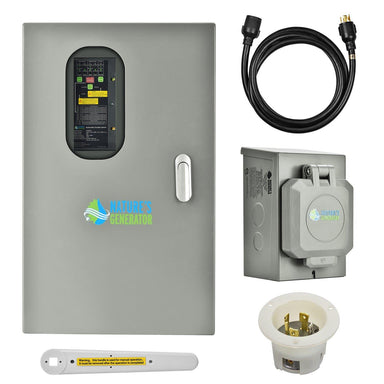
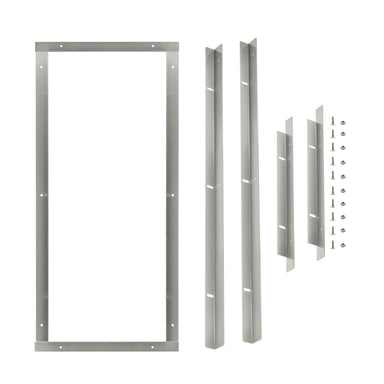
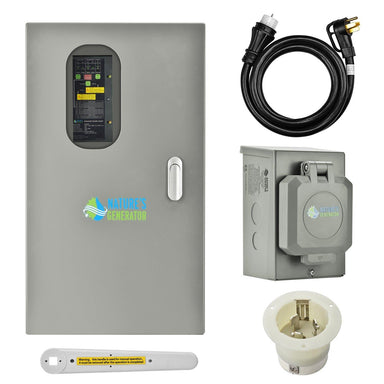
  • Consider installation location and choose appropriate enclosure protection - flush-mount kits for indoor installations, weatherproof boxes for outdoor generator connections
  • Check generator compatibility by matching voltage specifications and ensuring your generator's plug configuration works with inlet boxes (common types include L14-30P for 30A and CS6375 for 50A)
  • Review local electrical codes and permit requirements, as most jurisdictions require licensed electrician installation and inspection for transfer switch systems

Frequently Asked Questions

Do you need a transfer switch for a standby generator?
Yes, a transfer switch is absolutely essential and legally required for safely connecting a standby generator to your home's electrical system. Transfer switches serve two critical safety functions: they prevent dangerous backfeeding that could electrocute utility workers repairing power lines, and they protect your generator from damage by isolating it from the utility grid. Without a transfer switch, connecting a generator directly to your home creates a severe shock hazard and violates electrical codes in all jurisdictions. The National Electrical Code (NEC) Article 702 specifically mandates transfer switches for all standby power installations. Additionally, operating a generator without a proper transfer switch will void your homeowner's insurance and generator warranty. While you could use extension cords to power individual appliances, this approach is impractical for whole-home backup and still carries risks. Investing in a properly installed transfer switch ensures legal compliance, protects your family and utility workers, and provides the most efficient method for utilizing your generator during power outages.
How do you size a transfer switch for a generator?
Sizing a transfer switch requires matching it to both your generator's output capacity and your home's electrical load requirements. Start by checking your generator's maximum amperage output, which is typically listed on the unit's data plate - common residential ratings are 30A, 50A, or 125A at 240V. Your transfer switch must have an amperage rating equal to or slightly higher than your generator's output; never use an undersized switch as it creates fire hazards. Next, calculate your essential load by adding up the wattage of all circuits you want to power during an outage. For a 30A switch, you can safely handle up to 7,200 watts (30A × 240V); a 50A switch manages 12,000 watts; and a 125A switch supports 30,000 watts. Count your circuits carefully - a 6-circuit transfer switch works for basic essentials (refrigerator, furnace, a few lights), while 10-16 circuits accommodate more comprehensive backup including multiple appliances, outlets, and HVAC systems. Remember that your transfer switch also needs to match your voltage configuration, with most residential applications using 120V/240V split-phase power. When in doubt, consult with a licensed electrician who can perform a proper load calculation based on your specific needs.
Are Generac transfer switches compatible with other generators?
Yes, Generac transfer switches are generally compatible with other generator brands, as transfer switches are designed to universal electrical standards rather than proprietary systems. The key is matching electrical specifications rather than brand names. Any transfer switch, including Generac models, will work with any generator as long as the amperage rating, voltage (typically 120V/240V for residential), and frequency (60Hz in North America) align properly. The critical compatibility factor is the physical connection between your generator and the transfer switch inlet box. Generators use standardized plug configurations defined by NEMA (National Electrical Manufacturers Association) - for example, a 30-amp generator typically uses an L14-30P twist-lock plug, while 50-amp units often use CS6375 connectors. As long as your generator's plug matches your inlet box receptacle, any quality transfer switch will function correctly regardless of manufacturer. However, Generac's automatic transfer switches designed specifically for their standby generators may have proprietary communication features that optimize performance with Generac units. For portable generators from any manufacturer used with manual or standard automatic transfer switches, brand mixing presents no issues. Always verify electrical specifications and connector types rather than focusing on brand compatibility.
How do I choose the right transfer switch?
Choosing the right transfer switch involves evaluating six key factors to match your specific backup power needs. First, determine whether you need manual or automatic operation - manual switches cost $200-600 and require you to physically flip the switch during outages, while automatic switches ($400-1,500) detect power loss and switch within 10 seconds without intervention. Second, calculate your amperage requirements based on your generator's output and home's essential load; 30A switches suit smaller portable generators powering 6-8 circuits, 50A handles mid-sized loads with 8-10 circuits, and 125A provides whole-home backup for larger standby systems. Third, count the number of circuits you need to protect during outages - basic systems need 6 circuits, while comprehensive backup requires 10-16 circuits. Fourth, consider your installation location and choose appropriate enclosure protection: indoor installations need NEMA 1 rated panels, outdoor locations require weatherproof NEMA 3R enclosures, and flush-mount kits provide clean integration into existing walls. Fifth, verify compatibility with your generator's connection type - ensure your inlet box matches your generator's plug (L14-30P for 30A, CS6375 for 50A are common standards). Finally, prioritize quality construction with UL-listed components, heavy-gauge steel enclosures, and corrosion-resistant brass or copper terminals for long-term reliability. Professional installation by a licensed electrician ensures code compliance and optimal performance.
What's the difference between automatic and manual transfer switches?
Automatic and manual transfer switches differ primarily in operation method, cost, and convenience level. Manual transfer switches require you to physically flip a lever or switch to transfer power from utility to generator and back again when utility power returns. They're more affordable ($200-600 installed), extremely reliable due to fewer components, and ideal for situations where someone is always home during outages or when budget is a primary concern. You must start your generator, wait for it to warm up, then manually operate the switch - the entire process takes 5-10 minutes. Automatic transfer switches (ATS) use electronic controls to detect power loss and automatically start the generator and transfer loads within 10 seconds, requiring no human intervention. They cost significantly more ($400-1,500+ installed) but provide seamless protection for sensitive electronics, medical equipment, security systems, and sump pumps that can't tolerate power interruptions. Automatic switches are essential if you travel frequently, have mobility limitations, or need guaranteed power continuity. They're also required for permanently installed standby generators. Manual switches work best with portable generators where you're manually starting the unit anyway. Both types provide equal safety through proper isolation of utility and generator power, so the choice ultimately depends on your budget, convenience requirements, and whether you need unattended operation.

Sources

  • Access Denied — www.electricgeneratorsdirect.com
  • Access Denied — www.ecomfort.com
  • Error Page — www.homedepot.com
  • Transfer Switch For Generators: Definitive Buyer's Guide [] — shopsolarkits.com
  • Generator Transfer Switch Review | The Garage Journal — www.garagejournal.com
close
close
close
I have a question
sparkles
close
product
Hello! I am very interested in this product.
gift
Special Deal!
sparkles