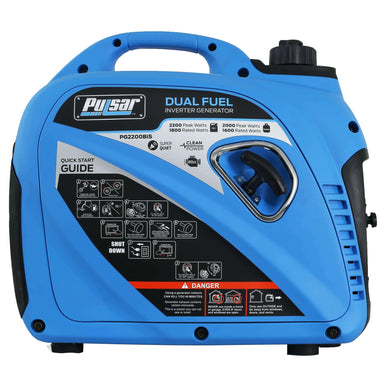
Why Dual Fuel Matters for Emergency Preparedness
During a major outage, gasoline is often the first supply to disappear. Gas stations run dry within hours of a storm warning. Dual fuel generators solve this problem by accepting either gasoline or LP propane as a fuel source. When the gas station line stretches around the block, a propane tank in your garage keeps you running. When propane is harder to find, gasoline works just as well. That flexibility is not a convenience feature - it is a preparedness asset.
How Dual Fuel Works
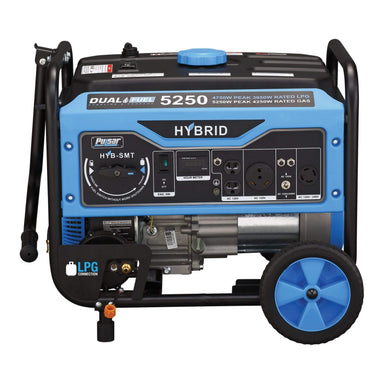
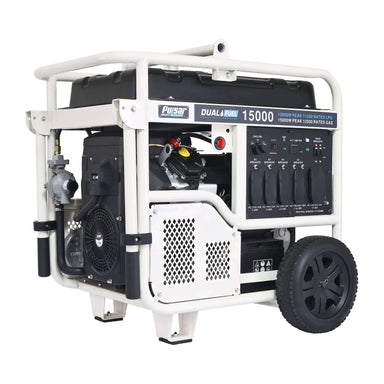
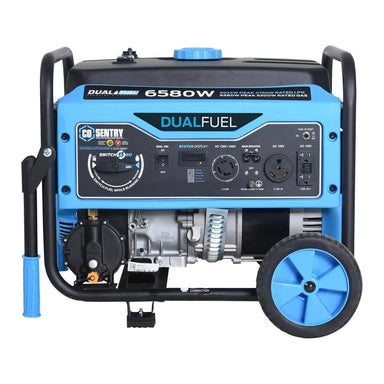
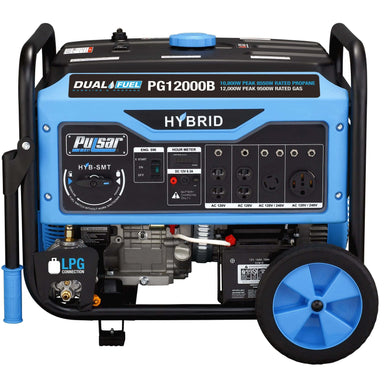
Dual fuel generators have a carburetor and fuel system designed to accept two fuel types. Most models include a fuel selector valve or switch on the control panel. To run on propane, you connect a standard LP hose fitting to the propane inlet, open the tank valve, and switch the selector to propane. To switch back to gasoline, close the propane tank, let the engine run briefly to clear the LP from the line, then move the selector to gasoline. Some models with Switch and Go technology allow switching fuel sources while the generator is running, without interrupting power output.
Gasoline vs. Propane: Performance Comparison
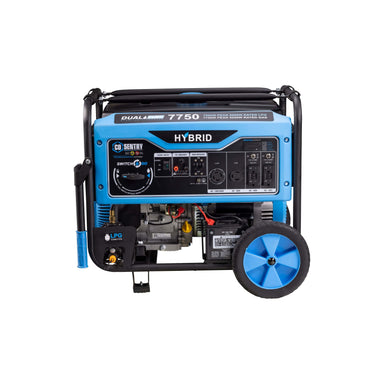
Propane burns cleaner than gasoline but has lower energy density, so expect roughly 10-15% less output on propane than on gasoline. A generator rated at 7,750W on gasoline may deliver around 6,500-7,000W on propane. Runtime also differs: propane runtime depends on your tank size rather than a built-in fuel tank. Plan your sizing around propane output if extended outages are your primary concern.
- Gasoline: higher output, faster refueling, but degrades after 30 days without stabilizer
- Propane: 10-15% lower output, indefinite shelf life, no carb gumming, cleaner exhaust
- Always check the product spec sheet for both gasoline and propane rated wattage before purchasing
Propane Storage for Emergency Readiness
Propane does not go stale. A sealed tank stored in a cool, ventilated outdoor area holds its fuel value indefinitely. A 20 lb (5-gallon) exchange tank costs under $30 to fill and provides roughly 5-9 hours of runtime at 50% load on a mid-size generator. A 100 lb tank provides far longer coverage. For serious emergency preparedness, keep at least one full 20 lb tank on hand alongside your generator and rotate it annually to maintain it in good condition.
How to Size a Dual Fuel Generator
Sizing starts with your load. List the appliances you need to run during an outage and note their running wattage and starting wattage. Motors - refrigerators, sump pumps, air conditioners, well pumps - draw 2-3x their running wattage at startup. Your generator must handle the surge without tripping.
- Camping and RV basics (phone chargers, lights, small appliances): 2,000-2,500W
- Essential home circuits (refrigerator, sump pump, outlets, window AC): 4,500-6,500W
- Whole-home essentials including central AC (up to 3-ton): 7,500-10,000W
- Full home coverage with large loads or multiple HVAC zones: 10,000W and above
- Size for propane output, not gasoline, if LP is your primary fuel for extended outages
Safe Operation Guidelines
Carbon monoxide poisoning is the leading cause of generator-related fatalities. Follow these rules without exception.
- Never operate a generator indoors, in a garage, or near open windows or doors
- Keep the generator at least 20 feet from any occupied structure
- Install battery-operated CO detectors on every level of your home
- When switching fuel on propane, shut the propane valve before switching the selector to gasoline
- Store propane tanks upright, outdoors, away from heat sources and ignition points
- Never refuel a hot or running generator with gasoline
Transfer Switches and Home Connection
Connecting a portable generator directly to your home wiring without a transfer switch is dangerous and illegal in most jurisdictions. A manual transfer switch or interlock kit allows you to safely connect a generator to your home panel, switching selected circuits from grid power to generator power. Never backfeed power through an outlet - this can electrocute utility workers. Have a licensed electrician install a transfer switch before you need it during an emergency.
Why Buy From Mighty Generators
Mighty Generators is an authorized dealer for every brand we carry. That means full factory warranty coverage, no gray market risk, and a team that can help you with a warranty claim if one arises. We offer free shipping on orders over $250, financing through Klarna with 0% APR options, and expert support Mon-Fri 8am-6pm ET. No restocking fees, no fine print. If you are not sure which dual fuel generator fits your situation, call (706) 701-8552 and speak with someone who knows generators.