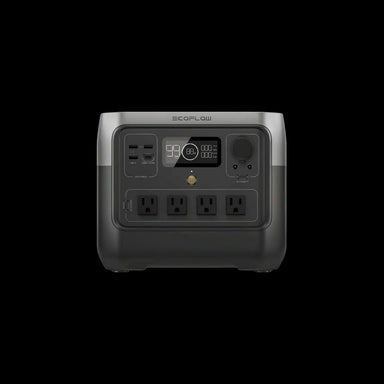

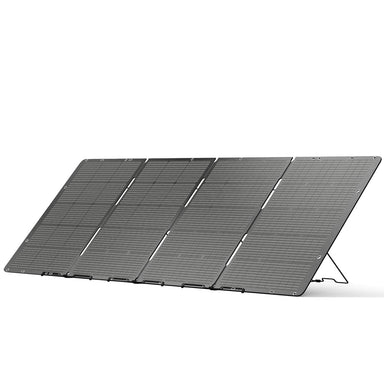
Off-grid solar power systems provide complete energy independence for locations without utility connections. These standalone solar solutions include solar panels, battery banks, charge controllers, and inverters configured to generate, store, and distribute electricity without grid connection.
Off-Grid Solar System Components
A complete off-grid solar installation requires solar panels to capture sunlight, deep-cycle batteries for energy storage, charge controllers to regulate battery charging, and inverters to convert DC power to AC electricity. System sizing depends on daily energy consumption, available sunlight hours, and backup power requirements.
Applications for Off-Grid Solar
Off-grid solar systems power remote cabins, tiny homes, RVs, boats, workshops, and properties where grid connection is unavailable or cost-prohibitive. These systems support lighting, refrigeration, water pumps, communication devices, and essential appliances while maintaining energy autonomy.
System Sizing and Capacity
Proper system sizing calculates total wattage requirements, daily amp-hour consumption, and battery capacity needed for multiple days of autonomy. Solar array size must account for seasonal sunlight variation, panel efficiency, and charging losses to ensure reliable year-round operation.
Battery Storage Solutions
Off-grid systems rely on battery banks using lithium-ion, AGM, or flooded lead-acid technologies. Battery capacity measured in amp-hours determines how much energy can be stored, while depth of discharge ratings affect battery lifespan and usable capacity.