Choosing the Right Generator
A generator is only useful when it matches your actual situation. Before buying, identify what you need to power, how long an outage could last, where the generator will run, and what fuel you can reliably get. Each of those answers points to a different type of unit.
Portable Generators
Portable gas generators are the most common choice for homeowners and contractors. They run on gasoline, start manually or with an electric key, and produce enough power to run refrigerators, sump pumps, window AC units, and power tools. Output typically ranges from 3,000W to 13,000W. They must be used outdoors, at least 20 feet from any window or door.
- Right for: outages lasting 1-5 days, job sites, budget-conscious buyers
- Fuel: gasoline (some dual-fuel models accept propane)
- Brands we carry: Simpson, Pulsar
Inverter Generators
Inverter generators produce clean sine wave power, which makes them safe for laptops, CPAP machines, televisions, and other sensitive electronics. They adjust engine speed to match the load, which makes them quieter and more fuel-efficient than conventional generators. Most inverter models run on gasoline, though dual-fuel variants accepting propane are available. Output ranges from 1,000W to 12,000W.
- Right for: RV and camping, CPAP users, home offices, sensitive electronics
- Fuel: gasoline or dual-fuel gas/propane
- Brands we carry: Pulsar, Cummins Onan, Simpson
Standby Generators
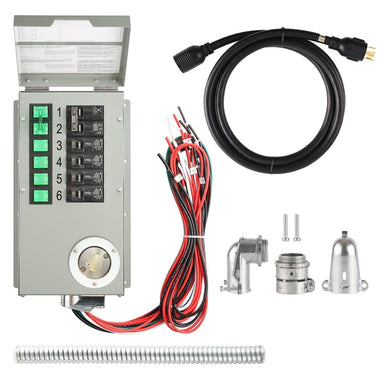
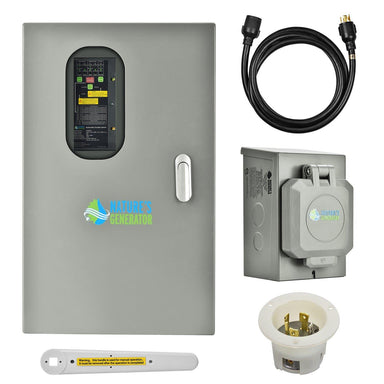
Standby generators are permanently installed outside the home, connected to natural gas or propane, and wired through an automatic transfer switch. When utility power drops, the generator detects the outage and starts within seconds. No manual intervention needed. Standby units range from 10kW for partial-home coverage to 20kW and above for full-home backup. Professional installation by a licensed electrician is required.
- Right for: medical device users, remote workers, households that cannot tolerate any power interruption
- Fuel: natural gas or LP (no refueling required during an outage)
- Brands we carry: Cummins
Battery-Powered Stations
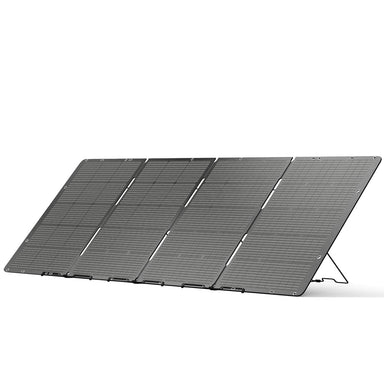
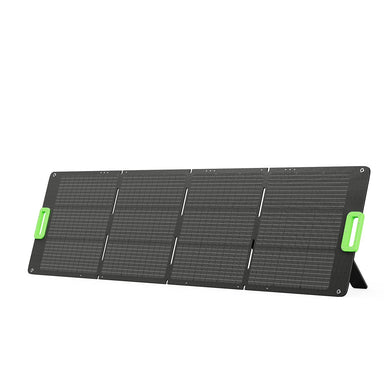
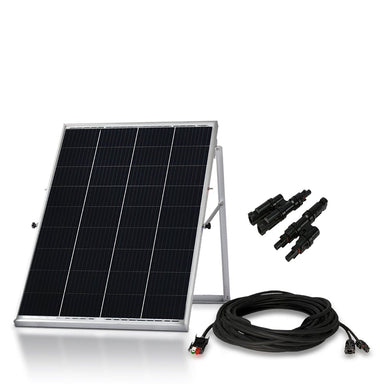
Battery power stations store electricity in lithium (LFP or NMC) batteries and deliver it through AC, DC, and USB outlets. They produce zero emissions and operate silently, making them the only option for indoor use. Recharge from a wall outlet, solar panels, or a car port. Capacity ranges from a few hundred watt-hours for device charging to several kilowatt-hours for running appliances. They are not a replacement for a whole-home standby generator, but they are the right solution for apartments, overnight CPAP use, and short outages.
- Right for: apartments, indoor use, CPAP and medical devices, camping, short outages
- Fuel: rechargeable battery (wall, solar, or car)
- Brands we carry: EcoFlow, Jackery, Bluetti, Anker, Cummins Onan, Pulsar
Fuel Type Comparison
- Gasoline: widely available, no installation, limited shelf life (use stabilizer for storage)
- Dual-fuel (gas/propane): flexibility to use whichever fuel is available; propane stores indefinitely
- Natural gas: unlimited supply during outages (grid permitting), requires licensed installation
- Propane: cleaner than gasoline, long shelf life, requires tank refills or bulk delivery
- Battery: no fuel, zero emissions, limited by capacity and recharge availability
How to Size a Generator
List every appliance or device you need to run during an outage. Find the running wattage for each item. Identify the appliance with the highest startup surge (usually a refrigerator, air conditioner, or sump pump). Add all running watts together, then add the highest single startup surge on top. That total is your minimum generator size. Add 20% headroom to avoid running the unit at full load continuously.
For whole-home backup or commercial installations, have a licensed electrician perform a load calculation. Our team can help you narrow down the right wattage range before you buy.
Why Buy From Mighty Generators
- Authorized dealer for all 28+ brands we carry - full factory warranties on every unit
- No restocking fees, no fine print on returns
- Expert sizing help available Mon-Fri 8am-6pm ET
- Free shipping on qualifying orders over $250
- Financing through Klarna available at checkout