
Skip to content

Best Lithium Battery for Boat - Marine Power Solutions

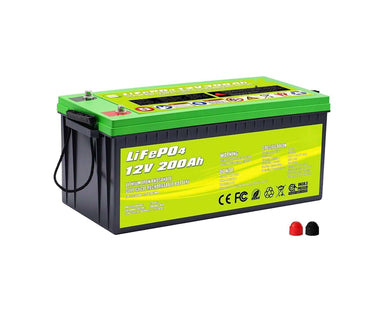
Upgrade your boat's electrical system with premium lithium batteries engineered specifically for marine environments. Our curated collection features LiFePO4 (Lithium Iron Phosphate) batteries that deliver exceptional performance, safety, and longevity on the water. Whether you're powering trolling motors, house electronics, or comprehensive onboard systems, these marine-grade lithium batteries provide reliable energy with significant advantages over traditional lead-acid technology. Weighing up to 60% less than conventional batteries while offering 3-5 times longer lifespan, our selection includes compact 100Ah models perfect for smaller vessels and robust 200Ah batteries ideal for extended cruising and house banks. Each battery features integrated Battery Management Systems (BMS) with multiple layers of protection against overcharging, deep discharge, short circuits, and temperature extremes. From weekend fishing trips to extended blue-water passages, discover lithium battery solutions that combine cutting-edge technology with marine-tough construction. Experience faster recharging, consistent voltage delivery, and the freedom to use your battery's full capacity without the degradation concerns of lead-acid. Explore our range of standalone batteries and complete power station systems designed to keep your marine adventures powered reliably and efficiently.

Key Takeaways

  • LiFePO4 batteries offer 3-5x longer lifespan than traditional marine batteries with 3000+ charge cycles
  • Marine lithium batteries weigh 60% less than lead-acid equivalents, improving boat performance and fuel efficiency
  • Built-in Battery Management Systems (BMS) protect against overcharging, overheating, and short circuits in marine environments
  • Proper installation with marine-grade components and temperature monitoring ensures safe, reliable operation on the water

What should you look for in a lithium battery for your boat?

When selecting a lithium battery for marine applications, prioritize LiFePO4 (Lithium Iron Phosphate) chemistry for superior safety and longevity. Look for batteries with integrated Battery Management Systems (BMS) that provide protection against overcharging, deep discharge, and temperature extremes commonly encountered in marine environments. Waterproof or water-resistant construction is essential, with IP65 or higher ratings protecting internal components from spray, humidity, and occasional submersion. Capacity should match your power needs—100Ah batteries suit smaller vessels and trolling motors, while 200Ah or larger batteries are ideal for house banks powering electronics, refrigeration, and overnight systems. Consider the discharge rate (C-rating) to ensure the battery can handle your peak power demands, especially for starting engines or running high-draw equipment like inverters and windlasses. Weight savings compared to lead-acid batteries improve boat handling and increase usable payload capacity, making lithium an excellent upgrade for performance-oriented boaters.

How do you choose the right lithium battery capacity for your boating needs?

  • Calculate daily power consumption by listing all onboard electronics, lights, and appliances with their amp-hour requirements—multiply wattage by hours of use and divide by voltage (12V) to determine total amp-hours needed
  • Add 20-30% capacity buffer to avoid regularly discharging below 20% state of charge, which extends battery lifespan and maintains consistent performance throughout the day
  • Consider whether you need a single large battery (200Ah+) for house power or multiple smaller batteries (100Ah) that can be positioned strategically for weight distribution and system redundancy
  • Evaluate your charging sources—solar panels, alternators, or shore power—to ensure they can fully recharge your chosen capacity within your typical usage patterns
  • Factor in future expansion needs, as lithium batteries can often be paralleled to increase capacity as your power requirements grow with additional equipment

Frequently Asked Questions

Who makes the best lithium batteries for boats?
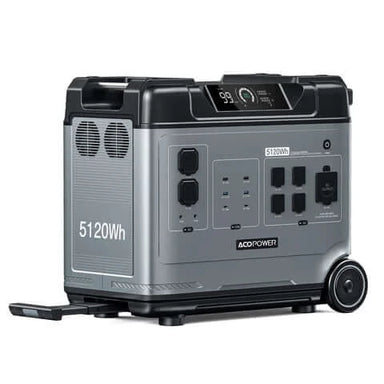
Leading manufacturers of marine lithium batteries include ACOPOWER, Battle Born, Renogy, and RELiON, all producing high-quality LiFePO4 batteries specifically designed for marine applications. ACOPOWER stands out for their comprehensive marine battery lineup featuring waterproof BMS technology, robust construction, and excellent customer support. The best manufacturer for your needs depends on specific requirements: ACOPOWER's 100Ah and 200Ah models offer exceptional value with marine-grade protection, while their larger power stations provide versatile solutions for extended cruising. Look for manufacturers offering marine-specific certifications, comprehensive warranties (typically 5-10 years), proven track records in harsh marine environments, and responsive technical support. Quality marine lithium batteries should include built-in BMS with low-temperature charging protection, since charging lithium batteries below freezing can cause permanent damage—a critical consideration for year-round boaters.
What are the problems with lithium batteries in boats?
The primary concerns with lithium batteries in marine applications include initial cost (2-3x higher than lead-acid), charging system compatibility, and temperature sensitivity. Many older marine alternators and chargers designed for lead-acid batteries require upgrades or reprogramming to properly charge lithium batteries with appropriate voltage profiles (typically 14.4-14.6V for LiFePO4). Cold weather presents challenges, as lithium batteries shouldn't be charged below 32°F (0°C) without built-in heating systems—though they can be discharged in cold conditions. Installation requires proper ventilation despite lithium's lower off-gassing compared to lead-acid, and marine-grade connections to prevent corrosion. Some insurance companies and marine surveyors require specific installation standards and documentation. However, modern marine lithium batteries with quality BMS systems address most safety concerns through automatic protection against overcharging, over-discharging, short circuits, and thermal events. The long-term benefits—including 10+ year lifespan, 60% weight reduction, faster charging, and consistent voltage delivery—typically outweigh initial challenges for serious boaters.
What is the 80 20 rule for lithium batteries?
The 80/20 rule for lithium batteries recommends maintaining charge levels between 20% and 80% state of charge for optimal longevity, though this guideline is more flexible than commonly believed. Keeping lithium batteries within this range can potentially extend their lifespan from 3000 cycles to 5000+ cycles by reducing stress on the cells. However, modern LiFePO4 batteries with quality BMS systems are specifically designed to handle full depth-of-discharge cycles without significant degradation—unlike lithium-ion batteries in phones and laptops. For marine applications, the practical approach is using the full usable capacity (typically 100% of rated capacity) when needed, while avoiding storage at full charge for extended periods. If your boat sits unused for weeks or months, storing batteries at 50-60% charge is ideal. The built-in BMS automatically prevents damage from over-discharge by cutting power before critical levels are reached. For daily cruising and weekend trips, don't worry about strictly adhering to the 80/20 rule—LiFePO4's robust chemistry handles real-world marine use excellently, and the convenience of accessing full capacity outweighs marginal longevity gains for most boaters.
Which is better, LiFePO4 or lithium battery?
LiFePO4 (Lithium Iron Phosphate) is actually a specific type of lithium battery chemistry, and it's definitively the best choice for marine applications compared to other lithium variants like lithium-ion or lithium-polymer. LiFePO4 offers superior thermal stability with virtually no risk of thermal runaway or fire—critical for the confined spaces and challenging conditions on boats. While lithium-ion batteries (like those in phones) provide higher energy density, LiFePO4 delivers 3000-5000+ charge cycles versus 500-1000 for standard lithium-ion, making them far more cost-effective over their lifespan. LiFePO4 batteries maintain stable voltage output throughout the discharge curve, providing consistent power to electronics until nearly depleted, unlike the voltage drop experienced with other chemistries. They're also more environmentally friendly, containing no toxic heavy metals, and perform better in varying temperatures common in marine environments. For boating applications, LiFePO4's combination of safety, longevity, stable discharge characteristics, and robust construction makes it the clear winner over other lithium chemistries, which is why virtually all reputable marine lithium batteries use LiFePO4 technology.
Can I replace my boat's lead-acid battery with lithium?
Yes, you can replace lead-acid marine batteries with lithium LiFePO4 batteries, but several important upgrades may be required for optimal performance and safety. First, verify your charging system compatibility—many modern marine chargers have lithium profiles, but older units may need replacement or reprogramming to provide the correct voltage (14.4-14.6V for LiFePO4 versus 13.8-14.4V for lead-acid). Your alternator should have temperature compensation and may need an external regulator to prevent overcharging. Battery monitoring systems designed for lead-acid won't accurately display lithium state-of-charge, so consider upgrading to a lithium-compatible monitor. Physically, lithium batteries can typically fit in existing battery boxes, though you'll appreciate significant weight savings—a 100Ah lithium battery weighs about 30 lbs versus 65+ lbs for equivalent lead-acid. Ensure proper ventilation despite lower off-gassing, and use marine-grade connections to prevent corrosion. The investment in lithium pays off through 3-5x longer lifespan, ability to use full capacity without damage, faster recharging, and improved boat performance from weight reduction. Many boaters successfully make the switch and never look back, enjoying reliable power and reduced maintenance.

Sources

  • 2025 Marine Lithium Battery Review Guide — manlybattery.com
  • Best Marine, Lithium and Trolling Motor Batteries - Wired2Fish — www.wired2fish.com
  • 2025 Black Friday Marine Lithium Buyer’s Guide | Top 12V & 36V Battery Picks for Your Boat — www.youtube.com
  • Just a moment... — www.thehulltruth.com
  • Ultimate Lithium Battery Guide — bestontour.net
close
close
close
I have a question
sparkles
close
product
Hello! I am very interested in this product.
gift
Special Deal!
sparkles