
Skip to content

Best Lithium Battery for Marine Electronics - Nature's Generator

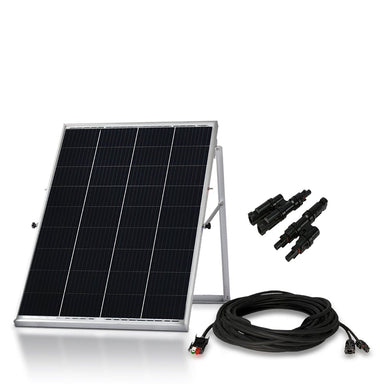
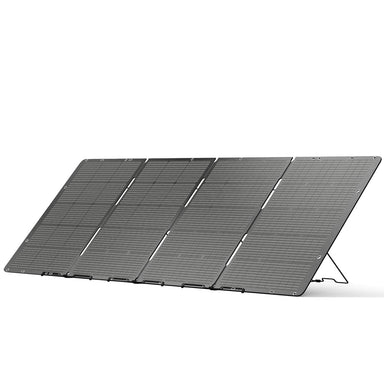
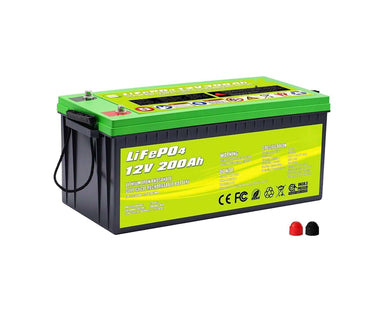
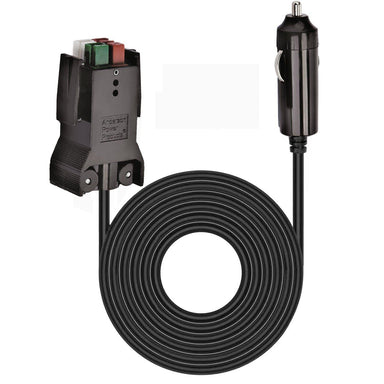
Power your marine adventures with confidence using our premium lithium battery solutions designed specifically for demanding marine electronics applications. Whether you're a weekend sailor, serious angler, or liveaboard cruiser, reliable electrical power is essential for navigation systems, fish finders, VHF radios, lighting, and all the electronics that keep you safe and connected on the water. Our curated collection features advanced LiFePO4 lithium batteries and complementary solar charging systems that deliver exceptional performance, dramatic weight savings, and years of dependable service in harsh marine environments. The centerpiece of any modern marine electrical system is a high-capacity deep cycle battery, and our 12V 200Ah LiFePO4 Lithium Battery represents the pinnacle of marine power technology. Weighing up to 70% less than equivalent lead-acid batteries, this lightweight powerhouse doesn't compromise on capacity, delivering over 2500 watt-hours of usable energy with built-in Battery Management System protection against overcharging, deep discharge, and temperature extremes. Unlike traditional batteries that lose voltage as they discharge, lithium batteries maintain consistent power output, ensuring your electronics perform optimally whether the battery is at 90% or 20% charge. Complement your battery system with our range of high-efficiency monocrystalline solar panels—from portable 100W panels with adjustable tilt stands perfect for smaller vessels, to powerful 400W folding panels for serious energy needs, and even 410W PERC half-cell panels available in multi-panel configurations for permanent installations on larger boats. These solar solutions transform your vessel into a self-sufficient power station, silently replenishing your battery bank while you're anchored in remote coves or cruising under sunny skies. Complete your system with our 12V car charger featuring Anderson connectors, ensuring you can top up your battery from your vehicle when needed. Every product in this collection has been selected for durability, efficiency, and compatibility with marine environments where reliability isn't just convenient—it's essential for safety. Invest in a power system that matches the quality of your vessel and the ambition of your voyages.

Key Takeaways

  • LiFePO4 lithium batteries offer 3-5x longer lifespan than traditional lead-acid batteries for marine applications
  • Lightweight design reduces boat weight by up to 70% compared to equivalent lead-acid batteries
  • Built-in Battery Management Systems (BMS) protect against overcharging, deep discharge, and temperature extremes
  • Pair lithium batteries with solar panels for sustainable, off-grid marine power solutions

What should you look for in a lithium battery for marine electronics?

When selecting a lithium battery for marine electronics, prioritize LiFePO4 (Lithium Iron Phosphate) chemistry for superior safety and longevity in harsh marine environments. Look for batteries with integrated Battery Management Systems (BMS) that protect against overcharging, over-discharging, short circuits, and temperature fluctuations—critical features when dealing with saltwater exposure and variable weather conditions. The battery should offer deep cycle capability with at least 2000-5000 charge cycles, ensuring years of reliable service. Weight is another crucial factor; lithium batteries typically weigh 50-70% less than lead-acid equivalents, improving fuel efficiency and vessel handling. Verify the battery has marine-grade construction with waterproof or water-resistant housing, corrosion-resistant terminals, and can handle the vibration and movement inherent to boating. Capacity matters too—a 200Ah battery provides substantial power for fish finders, GPS, radios, and other electronics without frequent recharging. Finally, consider compatibility with your existing charging systems and the ability to integrate with solar panels for sustainable energy independence while at sea or anchored in remote locations.

How do you choose the right lithium battery and solar setup for marine power needs?

  • Calculate your daily power consumption by listing all marine electronics (GPS, fish finder, radio, lights) and their amp-hour requirements to determine minimum battery capacity needed
  • Select a battery with 20-30% more capacity than your calculated needs to avoid deep discharges and extend battery lifespan—a 200Ah lithium battery typically provides 160-180Ah usable power
  • Choose solar panels based on your recharge requirements; 100-400W panels can replenish battery power during daylight hours, with adjustable stands or folding designs offering flexibility for optimal sun exposure
  • Ensure all components use compatible voltage systems (typically 12V for most marine applications) and have appropriate connectors like Anderson plugs for secure, weatherproof connections
  • Consider portability and installation space—folding solar panels and batteries with carrying handles offer versatility for smaller vessels or temporary installations
  • Verify your charging system supports lithium battery profiles or invest in a compatible marine charger designed for LiFePO4 chemistry to prevent damage and ensure efficient charging

Frequently Asked Questions

What battery is best for marine electronics?
LiFePO4 (Lithium Iron Phosphate) batteries are the best choice for marine electronics due to their superior performance characteristics in demanding marine environments. These batteries offer exceptional cycle life (2000-5000 cycles), maintain consistent voltage output throughout the discharge cycle ensuring stable power for sensitive electronics, and weigh significantly less than traditional lead-acid batteries—reducing vessel weight and improving fuel efficiency. LiFePO4 batteries are inherently safer than other lithium chemistries, with excellent thermal stability and lower risk of thermal runaway. They perform well in varying temperatures, charge faster, and can be discharged to 80-90% of capacity without damage, unlike lead-acid batteries which should only be discharged to 50%. The built-in Battery Management System (BMS) in quality marine lithium batteries protects against overcharging, over-discharging, and short circuits—critical safety features in the marine environment. While the initial investment is higher, the extended lifespan, minimal maintenance requirements, and superior performance make LiFePO4 batteries the most cost-effective long-term solution for powering fish finders, GPS units, radios, lighting, and other essential marine electronics.
What's the best lithium marine battery?
The best lithium marine battery combines high capacity, robust construction, and comprehensive safety features. A 12V 200Ah LiFePO4 lithium battery with integrated BMS represents the gold standard for marine applications, offering sufficient power for extended trips while maintaining a lightweight profile. Key features that define the best marine lithium batteries include: IP65 or higher water resistance rating to withstand spray and humidity; built-in Battery Management System with cell balancing, temperature monitoring, and protection circuits; marine-grade terminals resistant to corrosion from saltwater exposure; shock and vibration resistance to handle rough seas; and the ability to deliver consistent power across the entire discharge cycle. The 200Ah capacity provides approximately 2400-2560 watt-hours of usable energy, enough to run multiple marine electronics simultaneously for days without recharging. Look for batteries that can be connected in parallel for increased capacity or in series for higher voltage applications. The best batteries also offer low self-discharge rates (under 3% per month), allowing them to hold their charge during off-season storage. Certification from marine industry standards organizations and a comprehensive warranty (typically 5-10 years) further distinguish premium lithium marine batteries from lesser alternatives.
What is the 40 80 rule for lithium batteries?
The 40-80 rule for lithium batteries is a best practice guideline that recommends keeping your battery charge level between 40% and 80% for optimal longevity and performance. This practice is particularly relevant for lithium-ion batteries in consumer electronics, though LiFePO4 marine batteries are more forgiving. The principle behind this rule is that lithium batteries experience less stress and degradation when they avoid the extreme ends of the charge spectrum. Charging to only 80% instead of 100% reduces voltage stress on the cells, while avoiding discharge below 40% prevents deep discharge stress. For marine applications using LiFePO4 batteries, this rule is less critical because these batteries have more stable chemistry and can safely be charged to 100% and discharged to 20% or lower without significant degradation. However, if you want to maximize the already impressive lifespan of your marine lithium battery (extending it from 3000 to potentially 5000+ cycles), following a modified 30-90 rule can be beneficial. In practical terms for boaters, this means recharging when your battery reaches 30-40% rather than running it completely flat, and if you're storing your vessel for extended periods, maintaining the charge around 50-60% rather than leaving it fully charged. Modern BMS systems in quality marine batteries automatically manage these parameters to prevent damage, so casual users can charge fully without worry while enthusiasts can optimize further.
What is the problem with lithium batteries in boats?
While lithium batteries offer significant advantages for marine use, there are several considerations and potential challenges boat owners should understand. The primary concern is safety during charging—lithium batteries require specific charging profiles different from traditional lead-acid batteries, and using an incompatible charger can cause damage or, in rare cases with lower-quality batteries, thermal events. This is why choosing batteries with robust Battery Management Systems (BMS) is critical; the BMS prevents overcharging, over-discharging, and manages cell balancing. Temperature sensitivity is another consideration; while LiFePO4 batteries perform well in most conditions, charging in freezing temperatures (below 32°F/0°C) can damage the cells. Quality marine lithium batteries include low-temperature charge protection in their BMS, but boaters in cold climates need awareness of this limitation. Initial cost represents a barrier for some boaters, as lithium batteries cost 2-3 times more upfront than lead-acid alternatives, though this is offset by their 3-5x longer lifespan and superior performance. Installation considerations include ensuring your boat's charging system (alternator, shore power charger, solar controller) is compatible with lithium batteries or upgrading to lithium-compatible equipment. Some marine insurance policies or regulations may have specific requirements for lithium battery installations, including proper ventilation (though lithium batteries don't off-gas like lead-acid) and secure mounting. Finally, disposal and recycling require proper handling, though lithium batteries are highly recyclable. These challenges are easily managed with proper equipment selection, installation, and basic understanding—making the benefits of weight reduction, increased capacity, and longer lifespan well worth the considerations for most boaters.
Can I charge a marine lithium battery with solar panels?
Yes, solar panels are an excellent way to charge marine lithium batteries, providing sustainable, silent power generation while at anchor or underway. The key to successful solar charging is using a solar charge controller specifically designed for or compatible with lithium LiFePO4 batteries. MPPT (Maximum Power Point Tracking) charge controllers are ideal as they maximize solar panel efficiency and include programmable charging profiles for lithium chemistry. For a 12V 200Ah lithium battery system, a 100W to 400W solar panel setup can provide substantial daily recharging—a 100W panel generates approximately 30 amp-hours per day in good conditions, while a 400W panel can produce 120+ amp-hours daily, potentially meeting or exceeding the power consumption of typical marine electronics. Monocrystalline solar panels are preferred for marine applications due to their higher efficiency, better low-light performance, and durability. Adjustable tilt stands or folding panel designs allow you to optimize the angle toward the sun, significantly increasing charging efficiency. For permanent installations, panels should be mounted securely to withstand wind and waves, while portable folding panels offer flexibility for smaller boats or temporary setups. The combination of lithium batteries and solar panels creates a virtually silent, emission-free power system perfect for extended cruising, living aboard, or maintaining battery charge during storage. With proper sizing, a solar-charged lithium battery system can provide indefinite off-grid power for navigation, communication, and comfort systems, reducing or eliminating the need to run noisy generators or seek shore power.

Sources

  • Best Marine, Lithium and Trolling Motor Batteries — www.wired2fish.com
  • 2025 Holiday Marine Lithium Buyer’s Guide | Top 12V & 36V Battery Picks for Your Boat — www.youtube.com
  • 2025 Marine Lithium Battery Review Guide — manlybattery.com
  • Just a moment... — www.thehulltruth.com
  • Humminbird Tips and Tricks | Anyone have luck with any temu or other lithium batteries for boats looking to upgrade to lithium | Facebook — www.facebook.com
close
close
close
I have a question
sparkles
close
product
Hello! I am very interested in this product.
gift
Special Deal!
sparkles