
Save $1,100.00
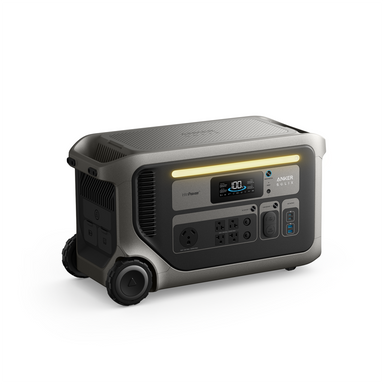
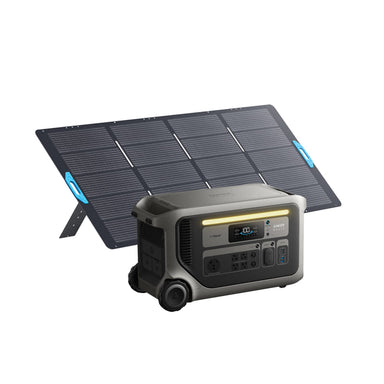
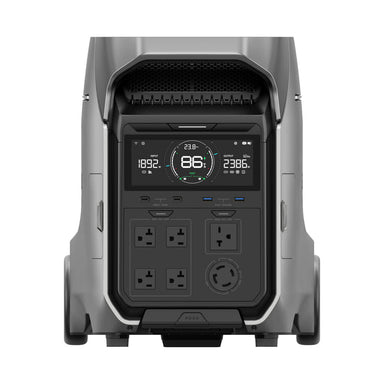
SaleEcoFlow DELTA Pro 3 - Ultimate Home Backup and Off-Grid Power Solution The EcoFlow DELTA Pro 3 delivers professional-grade portable power with 4kW...
View full detailsBattery systems, dual-fuel generators, and whole-home standby power. Built for the outages that matter.
Battery systems, dual-fuel generators, and whole-home standby — each solves a different problem. Start with your situation.
Silent, instant switchover. No fuel, no fumes, no noise.
$1,099 – $7,999
Shop Battery SystemsRun on gas, propane, or natural gas. Propane stores indefinitely.
$900 – $2,909
Shop Fuel GeneratorsPermanent install. Switches on automatically. Runs indefinitely.
$4,385 – $6,863
Shop StandbyPure sine wave power for CPAP, oxygen concentrators, and home medical equipment.
$199 – $2,299
Shop Medical PowerRecharge your battery system without the grid during extended outages.
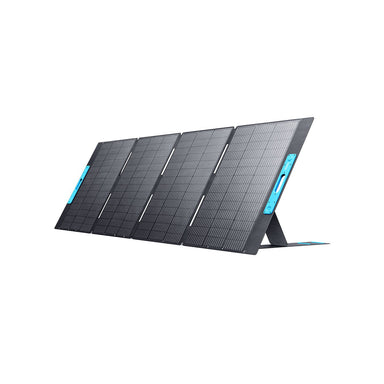
$99 – $1,499
Shop Solar PanelsLarge battery systems and standby generators sized for full-home coverage.
$2,299 – $7,999
Shop Whole-HomeHand-Picked For You
Four different approaches to emergency backup power. Not sure which fits your situation? Call or chat - our team knows these products.
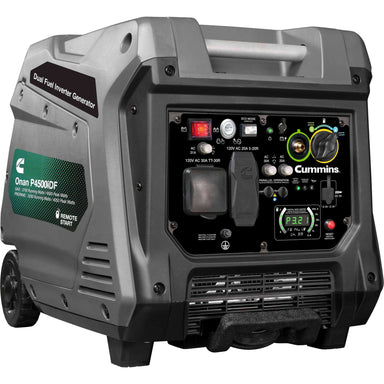
Cummins
$1,567.00
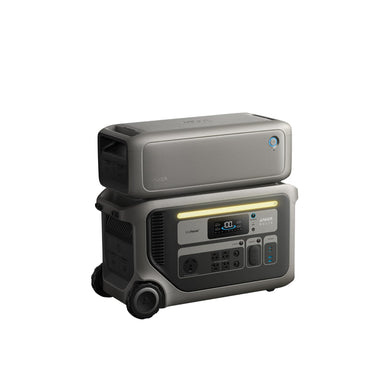
EcoFlow
$3,999.00
Cummins
$5,290.21
Have a question about emergency backup power? Our team has answers. Call or chat anytime.
Battery backup systems store electricity in lithium cells and switch to battery power instantly, often in under 20 milliseconds. They run silently with no fumes and no fuel to manage. Runtime is limited by capacity - plan for 4 to 48 hours depending on the system and your load. Generators burn gasoline, propane, or natural gas and run as long as fuel is available, making them better for multi-day outages. Many homeowners pair a battery system for instant coverage with a generator for extended outages.
Fuel flexibility is the core emergency prep advantage. During extended outages, gas stations often close or run out of fuel. Propane stores indefinitely in a tank on your property and is unaffected by supply disruptions. Tri-fuel generators add natural gas as a third option - if your home has a gas line, it never runs out. A dual or tri-fuel generator with a full propane tank is ready for any outage regardless of gas station conditions.
Essential circuits typically include a refrigerator, sump pump, lights, and outlets. That load runs 2,000 to 4,000 watts continuously. For battery systems, plan for 4 to 10kWh of capacity to cover 8 to 24 hours. For generators, a 4,500W unit covers essential circuits comfortably. If you want to run central AC, a well pump, or heavy appliances, size up to 9,000 watts or more for generators, or a large expandable battery system with 240V output.
A standby generator is permanently installed outside your home and connected to your electrical panel through an automatic transfer switch. When the utility power goes out, the transfer switch detects the loss and starts the generator within seconds. The generator runs on LP or natural gas from your home supply line, so it never runs out of fuel. When utility power is restored, the transfer switch disconnects the generator and reconnects the grid. No action required from you at any point.
Use our free Generator Sizing Calculator. Match wattage, fuel, and runtime to your home or jobsite in 5 minutes.
No spam. Unsubscribe anytime.