Gas vs. Battery for Camping
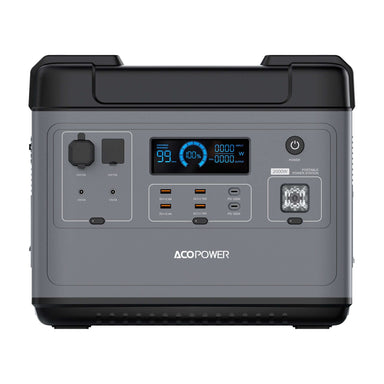
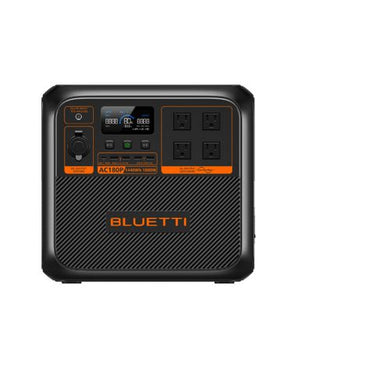
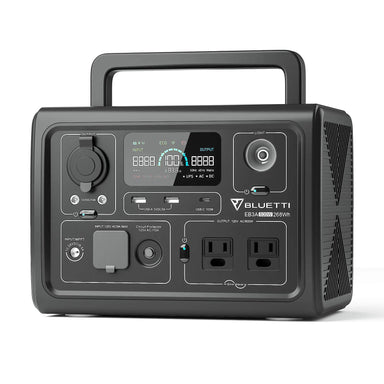
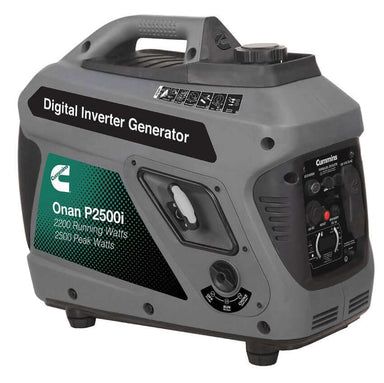
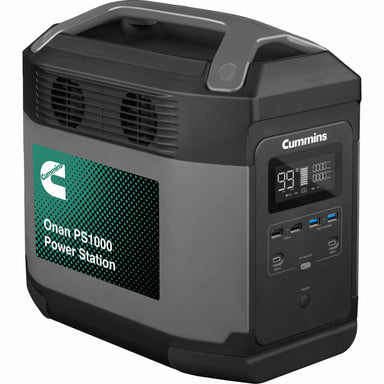
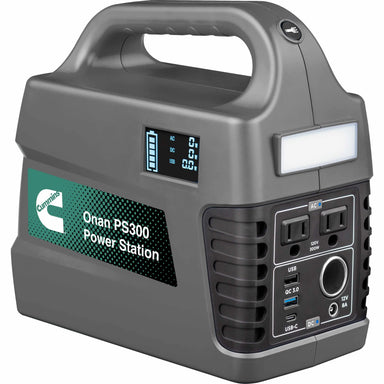
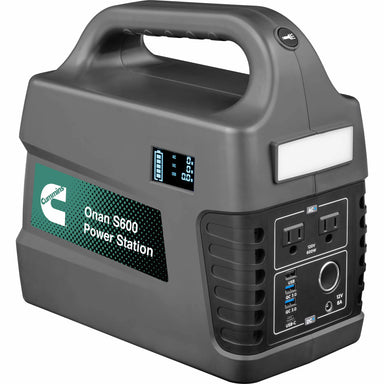
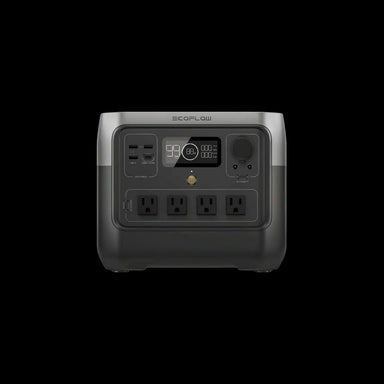
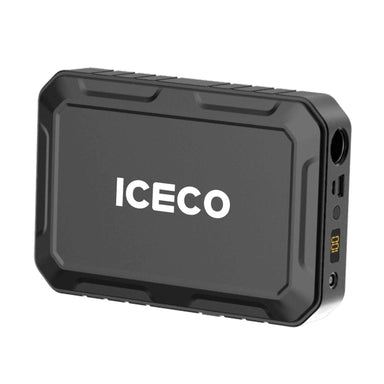
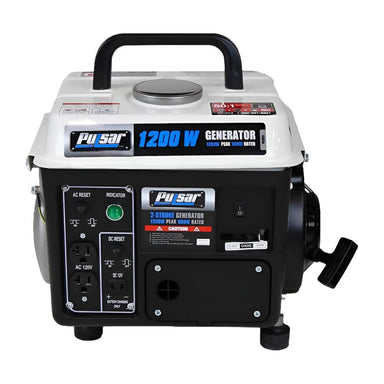
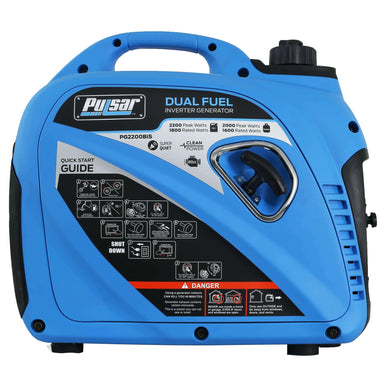
The choice between a gas inverter generator and a battery power station comes down to how much power you need, how long you need it, and where you are camping. Gas inverter generators deliver sustained high wattage and refuel in seconds. Battery stations run silently, produce no exhaust, and are safe inside enclosed spaces. Neither is universally better. Match the technology to your trip.
How Much Power Do You Actually Need?
Add up the wattage of everything you plan to run at once. Phones and small fans pull under 100W. A camping fridge runs around 40-60W continuously. A small air conditioner or microwave can spike past 1,000W on startup. For basic lighting and device charging, a 300-500Wh battery station covers most campers. For cooking appliances, a rooftop AC, or power tools, a 2,000W or larger gas inverter is the practical choice. Size for your peak load, not your average load.
Weight and Portability
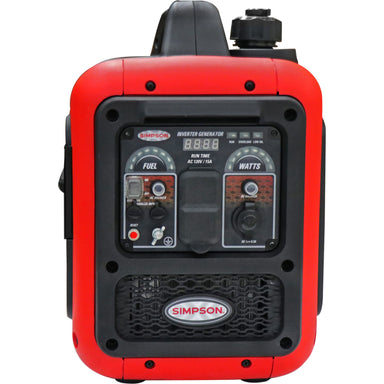
Compact battery stations in the 250-500Wh range weigh under 10 lbs and fit in a backpack or tote. Compact gas inverter generators in the 1,000-2,500W range typically weigh 30-50 lbs and feature carry handles or suitcase frames. If you are backpacking or hiking to a site, a small battery station is your only realistic option. For drive-up camping, overlanding, or tailgating, a gas inverter becomes viable. Weight and access to fuel determine which technology fits your adventure.
Noise and Campground Rules
Most campgrounds post quiet hours, often 10pm to 6am, during which generators are not permitted. Many also cap noise at 60 dB or below. Inverter generators run quieter than conventional generators but still produce audible engine noise. Battery stations operate silently. Before choosing a gas unit, check the decibel rating at rated load in the product specs and compare it against the campground rules. Battery stations remove this concern entirely.
Runtime and Fuel
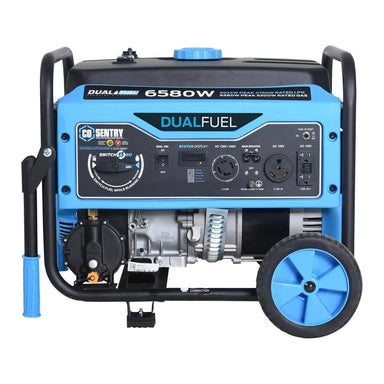
Compact gas generators typically run 6-10 hours at 50% load on a single tank. Bring extra fuel in approved containers for multi-day trips. Dual-fuel models add propane as a backup option, which is useful when gas stations are far or closed. Battery stations have a fixed capacity. Check the Wh rating and divide by your average load to estimate runtime. A 500Wh station running a 50W fan delivers roughly 8-10 hours of use before a recharge is needed. Plan your recharge window in advance.
Solar Recharging for Battery Stations
Most portable power stations accept solar panel input. A compatible 100-200W solar panel can recharge a 300-500Wh station in 2-6 hours of direct sunlight. Brands like EcoFlow and Jackery have proprietary solar panels optimized for fast charging with their stations. Check the solar input wattage limit in the product specs before pairing a panel. On sunny trips without shore power, a station-plus-panel combo can cover your needs indefinitely without fuel.
Safe Use at the Campsite
Never run a gas generator inside a tent, vehicle, or any enclosed or semi-enclosed space. Carbon monoxide is odorless and accumulates quickly. Gas generators must operate outdoors, at least 20 feet away from sleeping areas, with exhaust directed away from any opening. Battery-powered stations produce no combustion and are safe indoors. Regardless of the power source, keep cords clear of foot traffic and secure fuel containers away from open flames.
Why Buy From Mighty Generators
Mighty Generators is an authorized dealer for Pulsar, EcoFlow, Jackery, Ford, and every other brand we carry. Every product ships with the full manufacturer warranty. No gray market units, no restocking fees, and no fine print. Available 24/7 at (888) 775-9048 to help you choose the right generator for your camping setup. Free shipping applies to eligible orders over $250.