Why Inverter Generators Run Quieter
A conventional generator runs at a fixed 3,600 RPM regardless of how much power you are drawing. An inverter generator adjusts engine speed to match the load. Under light use, the engine slows down. That variable speed is the primary reason inverter generators produce significantly less noise. The enclosure design reinforces the difference: most inverter generators use a fully enclosed housing that absorbs and redirects sound, while conventional open-frame designs leave the engine exposed. The combination of variable RPM and sound-absorbing housing puts most inverter generators in the 50-65 dB range at full load.
Understanding dB Ratings
Decibels measure sound intensity on a logarithmic scale. Every 10 dB increase represents roughly double the perceived loudness. A normal conversation is around 60 dB. A conventional generator at full load is typically 70-80 dB. The inverter generators in this collection are rated at 52-59 dB. Always check the spec sheet for the measurement distance and load percentage. Most manufacturers measure at 23 feet under 25% load. At full load or closer distances, numbers rise. When comparing two generators, a 3 dB difference is noticeable; a 6 dB difference is clear.
Wattage vs. Noise Tradeoffs
Higher wattage generally means more engine displacement, which increases noise potential. A 1,200-1,600W inverter generator running at 50% load will be quieter than a 5,000W unit running at 50% load. Match wattage to your actual needs rather than buying excess capacity. For campsite and RV park use, 1,500-2,500W handles essential electronics, lighting, fans, and small appliances. If you need to run an RV air conditioner, you need at least 3,500W starting capacity. For medical device users who need overnight runtime at minimal noise, the 1,200-1,600W class is a practical choice.
Parallel Operation
Many inverter generators in this collection support parallel operation: two identical units connected with a parallel cable to share the load and combine their output. Two 2,200W units in parallel provide up to 4,400W. Running two units at 50% load each is quieter than running one unit at full load and more fuel-efficient. Parallel kits may be included or sold separately depending on the model. Verify parallel compatibility before purchasing a second unit, as not all inverter generators from the same brand are cross-compatible.
RV Park and Campground Compliance
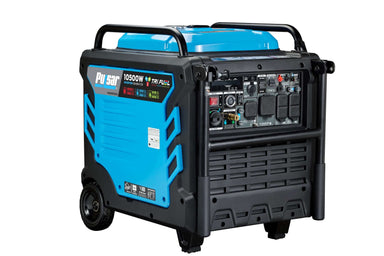
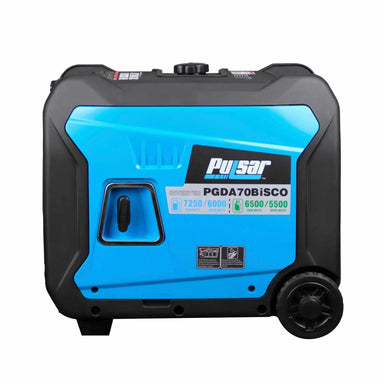
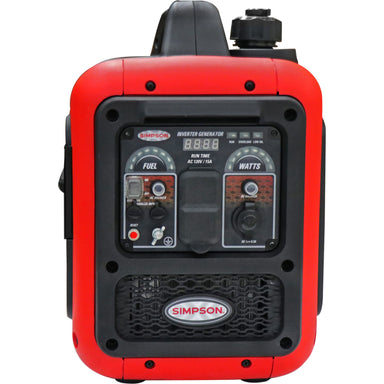
Most RV parks and campgrounds enforce a generator noise limit, typically between 60 and 65 dB. Some premium parks enforce quiet hours with no generators at all. Before purchasing, verify the dB rating in the product specifications and compare it to the rules at your specific destination. The Cummins Onan P2500i at 52 dB and the Pulsar PG1500iS at 57 dB both operate well within the 60 dB threshold at rated load. The Ford FG2500iS at 59 dB is at the lower edge of compliance for 60 dB limits. Running any of these generators at partial load will reduce noise further.
Clean Power for Electronics
Inverter generators produce clean AC power with total harmonic distortion (THD) typically under 3%. THD measures how much the power waveform deviates from a pure sine wave. Utility power from your home outlet is also approximately 3% THD. Conventional generators can produce 6-25% THD at variable loads. High THD causes heat buildup in sensitive devices and can shorten the lifespan of electronics. For CPAP machines, oxygen concentrators, laptops, tablets, and televisions, inverter generator output is safe. Conventional generators are not recommended for these devices.
Safe Placement
Quiet operation does not change the carbon monoxide risk of any combustion engine. Place generators outdoors with a minimum of 20 feet of clearance from any door, window, or vent. Never run a generator in a garage, even with the door open. CO is odorless and colorless and accumulates rapidly in enclosed or semi-enclosed spaces. Several generators in this collection include a CO Alert shutoff system that detects elevated carbon monoxide levels and shuts down the engine automatically. This feature adds a meaningful safety layer, especially for overnight use near an RV or tent.
Why Buy From Mighty Generators
Mighty Generators is an authorized dealer for every brand in this collection, including Cummins, Pulsar, Ford, and Diehard. Authorized dealer status means the full manufacturer warranty is intact on your purchase. There are no restocking fees if you need to return a product. Orders over $250 ship free. Available 24/7 at (888) 775-9048 to help match the right generator to your specific setup.