

How many watts does my house need during a power outage?
How many watts does my house need during a power outage?
Think of backup power like a great suit: it should fit your home, not the other way around. Most homes need between 3,000 and 7,500 watts to stay comfortable during an outage, but your number depends on what you choose to run and for how long. Below, you’ll size your needs, build a simple plan, and match your budget to the right solution—crafted with the same care you’d expect from luxury tailoring, using quality materials that last.
Key takeaways / summary
- Most homes need around 3,000–7,500 watts to run essentials; add a 20–25% safety margin for starting surges.
- Quick picks by budget:
- Under $500: Pulsar PG2300IS (portable gas inverter, quiet, clean power).
- $700–$900: Pulsar PG6000R (6,000 peak watts for bigger home loads).
- $900–$1,400: EcoFlow DELTA 2 Max 2048Wh (expandable, LiFePO4) or EcoFlow DELTA Pro 3600Wh (quiet indoor battery backup).
- $5,069+: Cummins 20kW Quiet Connect standby for whole-home reliability.
- Top brands at Mighty Generators: EcoFlow, Pulsar, Cummins.
- Best features to look for:
- Clean power for electronics (inverter tech or LFP batteries).
- Quiet operation for neighborhoods (like the Pulsar PG2300IS at 59 dB).
- Durable build and weather-ready enclosures (Cummins uses aluminum/galvanized steel).
- Smart app control and fast charging on battery systems (EcoFlow DELTA series).
- What to check before buying:
- Running watts vs. starting (surge) watts for motors and compressors.
- Fuel type, runtime, noise, and where you’ll place it.
- Battery capacity (Wh) if choosing a power station.
- Transfer switch compatibility for safe, code-compliant home connection. See Generator Transfer Switches.
- Trend insight: More homeowners want clean, quiet systems. Battery and solar interest is rising—many aim to cover 3–7kW essentials without the noise or fumes.
Step 1: List what you’ll run (and for how long)
Start with a plan. Make two lists: what must stay on (fridge, Wi‑Fi, lights, medical gear), and what would be nice (window AC, microwave, garage door). Note roughly how many hours per day each item will run. This is like choosing the right fabric for a luxury suit—prioritize what really matters so the fit is perfect.
Step 2: Find running vs. starting watts
- Running watts: what an appliance uses once it’s going.
- Starting watts: a short spike when it starts (motors and compressors need this).
- Tip: Check the appliance label or manual. If it lists amps, multiply by volts (A × V = W). For variable-speed devices, use the highest listed value.
Step 3: Add a 20–25% safety margin
Once you total your running watts and include the largest starting surge, add 20–25%. This breathing room keeps your system calm when multiple devices kick on at once and protects sensitive electronics. Think of it as the tailor’s allowance that ensures comfort and longevity.
Simple interactive wattage calculator
Enter what you plan to run. Use the label values from your appliances. Add your surge (starting) watts only for items with motors (fridge, well pump, AC). This tool estimates power needs; for hardwired or 240V loads, confirm details with a qualified electrician.
Appliance
Running W
Starting W
Refrigerator
Sump pump / Well pump
Gas furnace fan
Window AC
Microwave
Lights (LED total)
Wi‑Fi + laptop/phone
CPAP / medical device
Freezer
Space heater (as needed)
Wattage guide: common appliances
Use your appliance labels when possible. These typical ranges help you sanity-check your list:
- Refrigerator: 150–300W running, 600–1200W starting
- Upright freezer: 150–300W running, 500–1000W starting
- Sump/well pump (1/2 hp): 700–1000W running, 1200–2000W starting
- Gas furnace blower: 300–600W running, 600–1200W starting
- Window AC (8–12k BTU): 600–1200W running, 1200–2000W starting
- Microwave: 800–1200W
- Coffee maker: 800–1200W
- Toaster: 800–1500W
- Electric kettle: 1200–1500W
- Space heater: 1000–1500W
- TV: 60–200W
- Wi‑Fi + laptop: 40–120W
- LED lights (whole home): 60–300W total
Research insight: Many homes can cover essentials with 3,000–7,500 watts. Essentials often draw 300–1,200 watts each. Still, your list may vary—size based on your actual labels.
Note: Large 240V loads like electric ranges, central AC, electric water heaters, or electric dryers can exceed portable generator capacity. If you need those, consider a home standby system and a transfer switch.
Prioritize like a pro: Tier your loads
- Tier 1: Critical (fridge/freezer, medical gear, sump/well pump, gas furnace fan, Wi‑Fi/phones, lighting).
- Tier 2: Important (microwave, garage door, TV, work gear).
- Tier 3: Nice-to-have (window AC, space heater, coffee maker, laundry).
Start with Tier 1, then add Tier 2 if your wattage and budget allow. Like fine Italian craftsmanship, a thoughtful build is about balance and quality materials, not excess.
Scenario planning: 6 real-world examples
-
Basic essentials (urban condo)
- Fridge, Wi‑Fi, lights, phone/laptop, microwave (short bursts)
- Estimated: 1,000–2,000W; with margin: 1,200–2,500W
- Good fits: EcoFlow DELTA 2 Max 2048Wh, Pulsar PG2300IS 2,300W
-
Family comfort (1 fridge, 1 freezer, furnace fan, lights, microwave)
- Estimated: 3,000–5,500W; with margin: 3,600–6,900W
- Good fits: Pulsar PG6000R 6,000-Watt, EcoFlow DELTA Pro 3600Wh
-
Medical needs (CPAP, fridge, router, lights)
- Estimated: 800–1,600W; with margin: 1,000–2,000W
- Quiet indoor options: EcoFlow DELTA 2 Max, EcoFlow DELTA Pro
-
Rural home (well pump, fridge, furnace fan, lights, microwave)
- Estimated: 4,000–7,500W; with margin: 4,800–9,400W
- Good fits: Pulsar PG6000R; for whole-home coverage, see Cummins 20kW Quiet Connect.
-
Heat wave plan (window AC, fridge, lights, router)
- Estimated: 2,500–4,500W; with margin: 3,000–5,600W
- Good fits: Pulsar PG6000R, Pulsar PG2300IS for lighter loads.
-
Small business at home (computers, router, printer, lights, small server)
- Estimated: 1,000–2,500W; with margin: 1,200–3,100W
- Quiet indoor: EcoFlow DELTA Pro 3600Wh, DELTA 2 Max 2048Wh
Want more background? See our Off Grid Living tips and shop All Generators.
Product picks by craftsmanship, materials, and value
Below are carefully chosen options across budgets. Like a luxury suit with Italian craftsmanship, the focus here is on fit and finish—quiet operation, smart control, and quality materials such as LiFePO4 batteries and weather-ready metal enclosures. Use these summaries to match a product to your scenario.
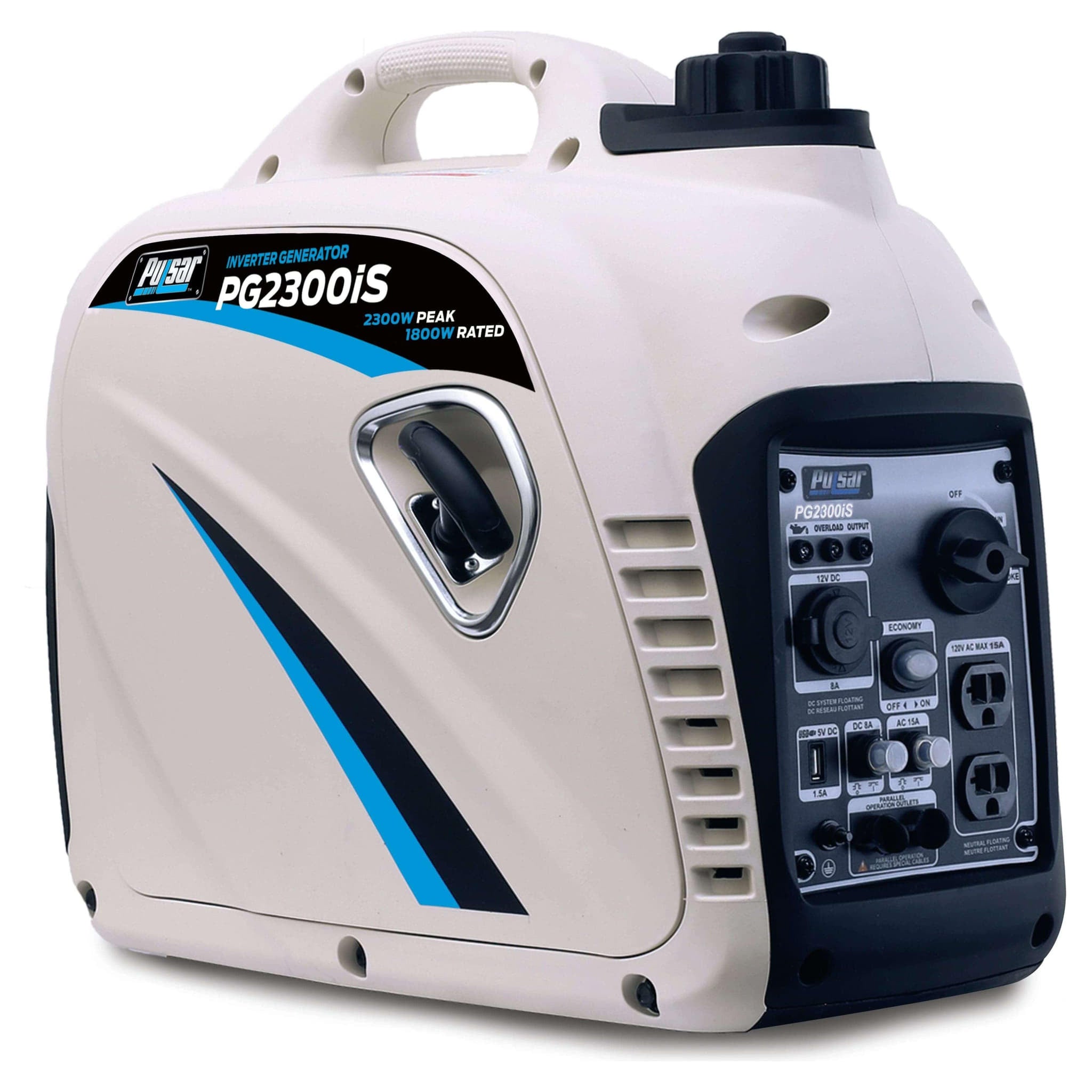
Pulsar PG2300IS 2,300W Portable Gas-Powered Inverter Generator
$449.00
Brand: Pulsar
Material: metal, plastic
- Inverter technology for clean power
- Quiet operation at 59 dB
- Best for: fridges, routers, lights, and electronics during short outages

EcoFlow DELTA 2 Max 2048Wh LiFePO4 Portable Power Station
$899.00
Brand: EcoFlow
Material: LiFePO4, plastic
- Expandable battery system
- Smart App control for power management
- Best for: quiet, indoor backup of essentials with optional solar recharge

Pulsar PG6000R 6,000-Watt Gasoline Powered CARB Approved Generator
$749.95
Brand: Pulsar
Material: metal, plastic
- 6000 peak watts for comprehensive appliance support
- Extended run time with large fuel tank
- Best for: families needing strong surge capacity for pumps and AC
EcoFlow DELTA Pro 3600Wh Portable Power Station - LFP Battery
$1399.00
Brand: EcoFlow
Material: LFP battery
- Real-time battery management system
- Fast charging technology
- Best for: extended, quiet backup with app-based power insights

Cummins 20kW Quiet Connect Standby Generator RS20A LP/NG A061C601
$5069.00
Brand: Cummins
Material: aluminum, galvanized steel
- Automatic activation during power outages
- Quiet operation
- Best for: whole-home coverage and seamless, hands-off reliability
Browse our full categories for more options: Home Backup Generators, Home Battery Backup, All Generators.
Why the 20–25% safety margin matters
Motors (refrigerators, pumps, AC units) draw extra current at startup. Sizing 20–25% higher helps your system ride through these peaks without tripping. It also lets you add a few lights or a laptop without stressing the generator. This is the “tailor’s allowance” that keeps your power plan comfortable and durable.
Connection and safety: use a transfer switch
Backfeeding a home without a transfer switch is dangerous. A transfer switch safely isolates your home from the grid and lets you pick circuits. See Generator Transfer Switches to complete your setup the right way.
Placement and safety tips: Operate gas generators outdoors, far from windows/doors. Use heavy‑duty, outdoor‑rated cords. Keep equipment dry. For standby systems, professional installation is required and typically involves a dedicated 30A or 50A inlet and interlock/transfer switch.
Gas vs. battery: which style fits your home?
- Battery power stations (EcoFlow DELTA series): Quiet, no fumes, indoor-friendly, LiFePO4/LFP chemistry for long life. Great for essentials, apartments, and sensitive electronics. Smart app control adds polish and visibility.
- Portable gas generators (Pulsar): Strong peak watts for starting loads, great value for families needing more surge capacity. Ideal when you need to run pumps or larger appliances.
- Standby systems (Cummins): Seamless whole-home experience with automatic start and weather-ready enclosures in aluminum and galvanized steel—like the finest materials in a bespoke suit.
Quick sizing playbook
- Step A: Add up running watts for your Tier 1 essentials.
- Step B: Add the single largest starting watts (just once).
- Step C: Add 20–25% margin. That’s your target size.
- Step D: Pick your style:
- Quiet indoor battery for small to medium essentials.
- Portable gas with higher peak watts for pumps/AC.
- Automatic standby when you want the lights on like nothing happened.
Printable worksheet
Use this checklist at the panel and the fridge:
- List every appliance you want to run.
- Write the running watts (from labels/manuals).
- Note the starting watts for any motor/compressor.
- Total them up and add 20–25%.
- Mark which circuits need a transfer switch.
Frequently asked questions
How many watts do most homes need? Many homes land between 3,000 and 7,500 watts for essentials, depending on appliance choices and whether you have pumps or AC.
What if I’m not sure about appliance watts? Start with essentials. Use the calculator above and your labels. If in doubt, size up slightly and include the 20–25% margin.
Can I power sensitive electronics? Yes—use inverter generators or LiFePO4/LFP battery stations for clean power. See the Pulsar PG2300IS or the EcoFlow DELTA 2 Max.
Do I need a transfer switch? Yes, for safe and convenient home connection. See Transfer Switches.
What about 240V or hardwired loads? Central AC, deep‑well pumps, electric ranges, and electric water heaters often require 240V and higher capacity. Choose a generator that supports 120/240V and install a transfer switch. For whole-home coverage, consider Cummins 20kW Quiet Connect.
How long will a battery power station last? Runtime ≈ usable watt‑hours ÷ average watts. For example, a 2,048Wh station running a 140W average load would be roughly 2,048 ÷ 140 ≈ 14.6 hours before losses. Real runtimes vary with inverter efficiency, temperature, and duty cycles.
Can I recharge with solar during an outage? Yes. Many battery stations support solar input. Pairing a battery with portable panels can extend runtime, especially for essentials like fridges, lights, and communications.
Match your budget to a well-built solution
- Value build (trim but strong): Pulsar PG2300IS at $449.00—clean power, quiet, and portable.
- Mid-tier versatility: Pulsar PG6000R at $749.95—6,000 peak watts and extended run time.
- Quiet indoor refinement: EcoFlow DELTA 2 Max at $899.00 (LiFePO4, expandable) or EcoFlow DELTA Pro at $1399.00 (LFP, fast charging).
- Whole-home luxury: Cummins 20kW Quiet Connect at $5069.00—automatic, quiet, with durable aluminum and galvanized steel.
Explore more picks in Product Guides.
Final checklist before you buy
- Confirm your running watts and the biggest starting watts.
- Add 20–25% for comfort and growth.
- Decide your style: battery quietness, gas value, or automatic standby.
- Plan installation with a transfer switch for safety.
- Pick quality materials and craftsmanship—like a suit that feels great every time you put it on.
Ready to build your plan? Start here: All Generators • Home Backup Generators • Home Battery Backup
Leave a comment