Open Frame vs. Enclosed Generators
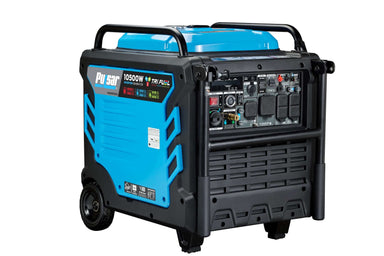
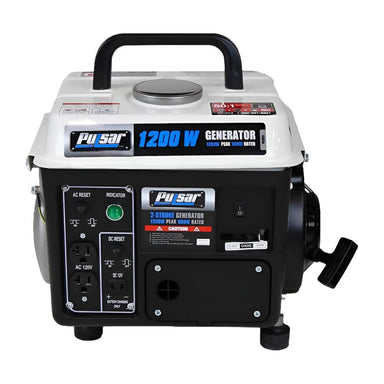
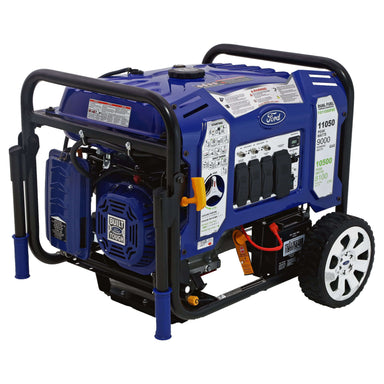
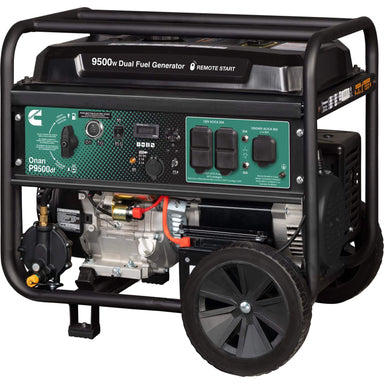
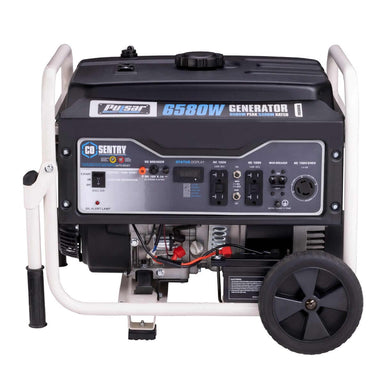
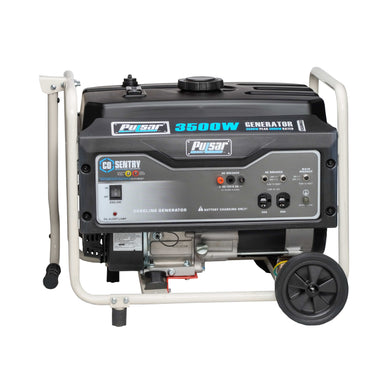
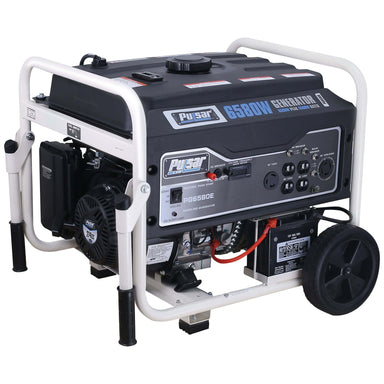
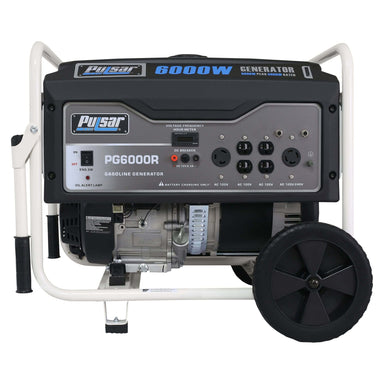
Most gasoline generators in the portable category use an open frame design. The engine, alternator, and fuel tank sit in a steel roll cage. Open frame units are lighter for their wattage, less expensive, and easier to service. The tradeoff is noise. Open frame generators typically run at 68-75 dB, which is noticeable at close range.
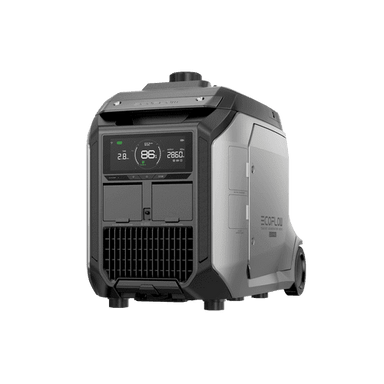
Enclosed generators, sometimes called canopy or cabinet generators, wrap the engine in a sound-dampening housing. Noise levels drop to 52-65 dB. Enclosed units are better suited for campsites, residential neighborhoods, and situations where a generator will run overnight. They cost more and weigh more than comparable open frame models.
Conventional vs. Inverter Technology
Conventional generators produce AC power directly from the alternator. The frequency varies slightly with engine speed. This is fine for most power tools, lights, and appliances with motors.
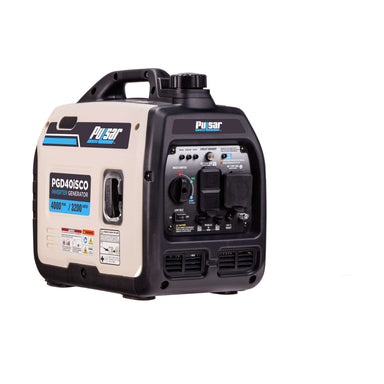
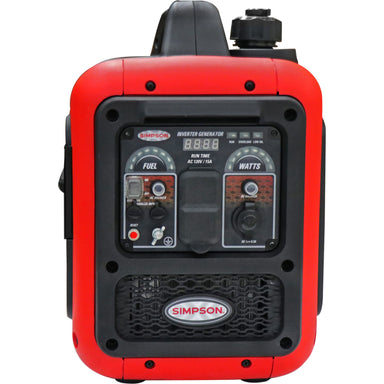
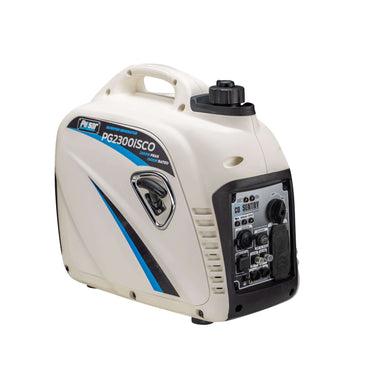
Inverter generators convert AC to DC and back to clean AC, producing stable power with less than 3% total harmonic distortion. This matters for sensitive electronics - laptops, CPAP machines, televisions, and medical equipment. Inverter generators also adjust engine speed to match the load, which reduces fuel consumption and noise at partial load.
If the primary use is running power tools or heavy appliances, a conventional generator is the more cost-effective choice. If sensitive electronics are in the load, select an inverter model.
How to Size a Gasoline Generator
Sizing comes down to two numbers: running watts and starting watts. Running watts is what the load draws continuously. Starting watts accounts for the momentary surge when motors start - a refrigerator compressor, sump pump, or air conditioner can draw two to three times its running wattage for one to two seconds on startup.
To size correctly:
- List every appliance you need to run at the same time
- Find the running watts for each item - check the nameplate or product manual
- Add those together for your total running load
- Identify the single largest motor in the list and add its starting surge to the total
- Select a generator rated at or above that combined figure
For home outage coverage of a refrigerator, lights, phone chargers, and a window AC unit, a 5,000-6,000W generator covers most scenarios. Adding a central AC, well pump, or electric range pushes the requirement to 8,000W or higher. Not sure where you land? Call our team at (706) 701-8552 for a free sizing conversation.
Runtime and Fuel Efficiency
Generator runtime is typically listed at 25% load and 50% load. Running a 5,500W generator at 25% load means drawing about 1,375W - comparable to a refrigerator, a few lights, and phone chargers. At 50% load you are drawing about 2,750W.
Real-world runtime often falls between the two published figures. A tank that runs 10 hours at 25% load and 7 hours at 50% load will likely deliver 8-9 hours under a typical outage load. Tank sizes range from 1.1 gallons on compact inverter models to 6-8 gallons on large open frame units.
Inverter models save fuel at partial loads because the engine slows to match demand. A conventional generator runs at full throttle regardless of load, consuming more fuel when the load is light.
Safe Operation and Placement
Carbon monoxide is the primary danger with gasoline generators. CO is colorless and odorless, and concentrations build quickly in enclosed or semi-enclosed spaces.
- Keep the generator at least 20 feet from any door, window, or vent opening
- Never operate in a garage, shed, or carport - even with the door open
- Point the exhaust away from the structure
- Install battery-powered CO detectors on every floor of your home
- Let the engine cool before refueling - hot surfaces and fuel vapors are a fire hazard
Transfer Switches and Home Connection
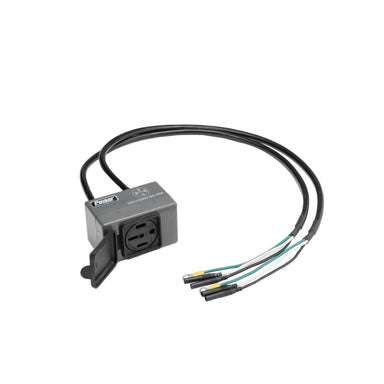
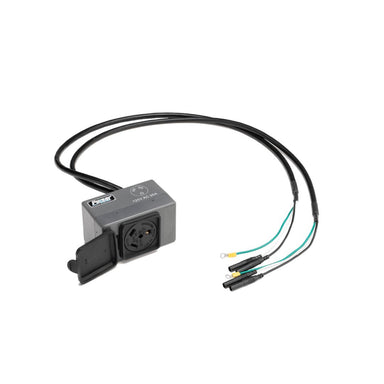
Connecting a generator to your home requires a transfer switch or interlock kit. Running an extension cord from the generator to individual appliances works for light use but becomes cumbersome during a multi-day outage. A transfer switch lets you power selected circuits from your breaker panel safely.
Never use a backfeed cord - a male-to-male extension cord plugged into a wall outlet. This sends power back through the meter to the utility grid, creating a lethal hazard for lineworkers and destroying the generator when power returns.
A licensed electrician installs the transfer switch. It takes one to two hours. The cost is a one-time investment that makes every future outage safer and more manageable.
Maintenance for Long-Term Reliability
A gasoline generator that sits unused for months is one of the most common service failures. Fuel breaks down, varnish builds in the carburetor, and a generator that looked fine in the garage will not start when you need it.
- Change the oil after the first 20 hours of use, then every 50-100 hours
- Add fuel stabilizer if storing for more than 30 days
- Run under load for 30 minutes every 3 months to exercise the engine and circulate fresh oil
- Check the air filter every season and replace if it shows visible dirt buildup
- Inspect the spark plug annually and replace per the manufacturer schedule
Why Buy From Mighty Generators
Mighty Generators is an authorized dealer for every brand on this page. Authorized dealer status means the factory warranty is valid from day one, with no asterisks about who sold it to you. Every order ships from an authorized channel.
There are no restocking fees if you change your mind and no fine print on the return policy. Orders over $250 ship free on eligible products. Our team is available by phone Monday through Friday, 8am to 6pm ET at (706) 701-8552, to help with sizing questions, compatibility checks, and post-purchase support.