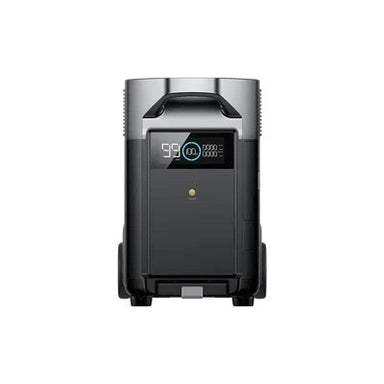
What Is Home Battery Backup?
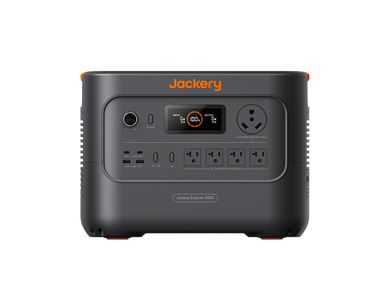
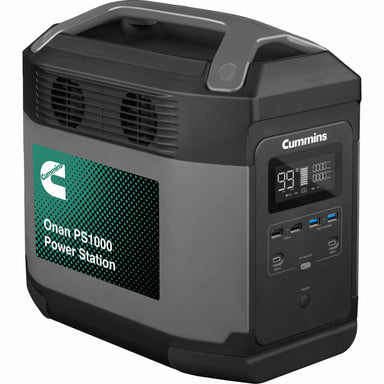
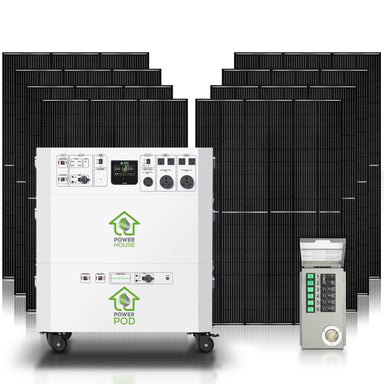
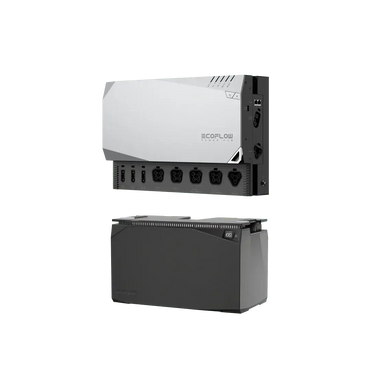
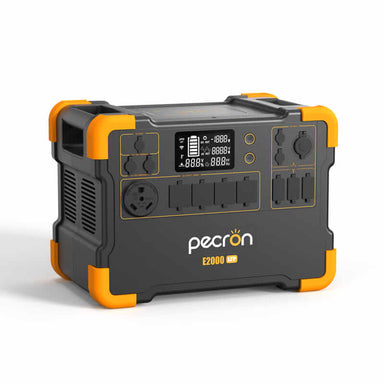
Home battery backup stores electricity in lithium cells and delivers it to your home when the grid goes down. Unlike a gas generator, a battery system operates silently, produces no exhaust, and can run safely indoors. Systems in this collection range from portable units that power essential circuits to whole-home systems with dedicated transfer panels. They recharge from a standard outlet, a 240V source, or solar panels.
How Much Capacity Do You Need?
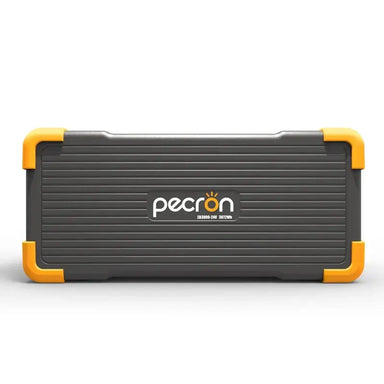
Start by listing the appliances you need to run during an outage. A refrigerator draws roughly 150-200W, a window AC unit 500-1,500W, and a CPAP machine 30-60W. Add up your expected load and multiply by the number of hours you want to run without recharging. For example, 500W of load for 10 hours requires at least 5kWh of usable capacity. Larger whole-home systems with expandable battery modules let you add capacity as your needs grow without replacing the inverter.
Solar Charging Integration
Most systems in this collection accept solar panel input. A solar-capable battery backup can recharge during daylight hours even when the grid is down, extending your runtime indefinitely in sunny conditions. Pair your battery system with compatible panels to build a self-sufficient backup. Input wattage limits vary by model - check the product spec sheet before sizing your solar array. EcoFlow, Jackery, Bluetti, and Anker all offer matched solar panel options.
Battery Backup vs. Standby Generators
Battery systems are silent, emission-free, and switch to backup power in milliseconds. They are the right choice for frequent short outages, indoor use, and situations where noise or fuel storage is a concern. Standby generators run on natural gas or propane and can operate for days without refueling - making them better suited for extended outages in regions with severe weather. Many homeowners use both: a battery system for automatic coverage of short outages and a generator as a fuel-based fallback for longer events.
Medical Device and CPAP Compatibility
Battery backup systems are often the preferred choice for households that depend on CPAP machines, oxygen concentrators, or other medical devices. These devices require clean, stable sine wave power - which battery inverters deliver. Battery systems also switch over to backup power faster than a standby generator, typically in under 30 milliseconds, preventing device shutdowns. If a medical device is your primary concern, choose a system rated for pure sine wave output and confirm the wattage with your device manufacturer before purchasing.
Smart Home Integration and Monitoring
Modern battery backup systems connect to mobile apps that let you monitor charge levels, track energy consumption by circuit, and schedule charging windows to take advantage of off-peak electricity rates. Systems like the EcoFlow Smart Home Panel 2 allow you to control individual circuits remotely and set priority loads. Anker SOLIX and Bluetti offer similar app-based monitoring. For whole-home integration, look for a system with a compatible transfer panel that manages the switchover automatically.
Why Buy From Mighty Generators
Mighty Generators is an authorized dealer for every brand in this collection, including EcoFlow, Anker, Jackery, Bluetti, and Mango Power. Authorized dealer status means your purchase comes with the full manufacturer warranty - no gray market risk, no fine print. Our team knows these products and can help you size a system for your specific home and budget. No restocking fees on returns. Free shipping on eligible orders over $250. Call (706) 701-8552 Mon-Fri 8am-6pm ET.