

Last updated: April 17, 2026
Quick Answer
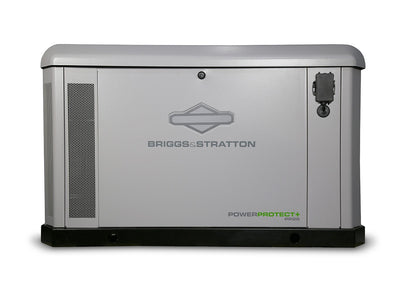
For most homeowners, the Briggs & Stratton PowerProtect PP22 delivers the best balance of long warranty coverage, equal natural gas output, and 65 dB(A) noise levels. Cummins Quiet Connect RS leads on commercial-grade engine quality and cold-weather certification to -40 degrees F, Generac Guardian offers the largest dealer network and lowest entry price, and Kohler RCA anchors the premium build-quality tier. The right pick depends on whether you prioritize warranty length, dealer access, cold-weather certification, or lowest up-front cost.
The grid went down at 11pm on a Tuesday. By Wednesday morning, the sump pump had been dead for nine hours and water was at the basement door. The food in the freezer was gone. Three days later, when the power came back, the homeowner called an electrician and said four words: just make it automatic.

Most homeowners start their generator comparison research the same way: they type “Generac” into a search bar. And for good reason. Generac controls roughly 70 percent of the residential standby generator market in the United States [5]. That kind of market share comes from years of distribution investment, dealer network depth, and marketing reach that no competitor has matched.
But market share is not the same as best fit for your home.
This guide runs the full generator comparison: Cummins vs Generac, Cummins vs Briggs & Stratton, and Kohler across all four. Cummins generators, Briggs & Stratton generators, Generac generators, and Kohler generators each have a place in the residential standby market. The goal here is to show you exactly where each one wins and where it does not, so you can make the call for your home. You will get straight comparisons on noise levels, warranty, natural gas performance, cold-weather ratings, and installed cost. No brand loyalty. No vague claims. Just the specs that determine which generator is right for your home for the next 20 years and meets your power needs without compromise.
Here is what the numbers show.
Key Takeaways
- Noise levels: Cummins RS models hold 65 dB(A) across every unit in the lineup, which is quieter than most Generac Guardian models.
- Warranty: B&S PP26 carries a 7-year comprehensive warranty covering parts, labor, and service calls [3]. PP13 and PP22 carry 6 years. Generac’s standard is 5 years.
- Cold weather: Cummins RS series with the cold weather kit operates to -40 degrees F. Generac does not publish a comparable cold-weather rating for the Guardian air-cooled line.
- Natural gas output: B&S NGMax delivers equal output on natural gas and propane. Generac Guardian models typically derate 10 to 15 percent on NG versus propane.
- Price advantage: Generac Guardian 13kW starts roughly $800 less than comparable Cummins and B&S models. Widest dealer network of any residential brand.
- Total installed cost: $7,000 to $14,000 for any of these brands including transfer switch, electrician, gas line, permits, and pad. Budget accordingly.
This guide is for:
- Homeowners who have been through a multi-day power outage and are done with portable generators
- Anyone comparing Generac to Cummins or Briggs & Stratton before committing to a brand
- Homeowners in cold climates, flood-prone areas, or homes with medical equipment that cannot go dark
- Anyone researching Cummins, Briggs & Stratton, Generac, or Kohler generators and wanting a straight comparison on the specs that matter

Generac: Why It Dominates the Market and Where It Falls Short
When homeowners research Generac vs Cummins vs Briggs and Stratton generators, Generac’s position as the market leader is real and earned. The company has built the widest dealer and service network in the residential standby category, with authorized installers in virtually every metropolitan area and most rural markets. If you call three local generator contractors, two of them probably install Generac as their primary brand. That reach matters when something needs servicing at 2am during a storm.
The Generac Guardian series covers 10kW to 24kW for residential use. Entry-level pricing on a Guardian 13kW runs roughly $3,400 to $4,000 for the generator alone. The standard residential warranty is 5 years on parts and labor. Their Mobile Link monitoring system uses your home Wi-Fi network to send status updates and maintenance alerts to your phone.
Where Generac models fall short compared to Cummins and Briggs & Stratton:
- Noise levels: Most Generac Guardian models operate at 66 to 68 dB(A). The Cummins RS series runs at 65 dB(A) across every model. Three decibels sounds like a small gap but translates to a noticeably louder sound. In a quiet neighborhood, at night, during a five-day power outage, that difference is something you and your neighbors will notice.
- Natural gas derating: Natural gas has lower energy density per cubic foot than propane [1]. Most standby generators, including Generac models, produce 10 to 15 percent less output on natural gas. A Guardian rated at 22kW on propane may deliver closer to 20kW on NG at full load. Briggs & Stratton NGMax technology eliminates that derating on the PP22 and PP26.
- Cold weather operating range: Generac does not publish a tested cold-weather operating limit for the air-cooled Guardian line. Cummins sells a cold weather kit for the RS series that extends reliable starting and operation to -40 degrees F [4]. For homeowners in Minnesota, Montana, or the mountain west, that certified specification is not a marketing claim. It is the difference between a generator that starts in January and one that might not.
“Generac has the best marketing and the most dealers. Cummins has the quietest engine. Briggs & Stratton has the longest warranty. Knowing which one matters to you is the whole decision.”

Kohler: Commercial Heritage, Residential Limitations
Kohler has been manufacturing engines and generators since 1920 [6]. The company is best known in the commercial and industrial generator market, where Kohler builds large liquid-cooled units for hospitals, data centers, and commercial facilities worldwide. Their residential line, the RCA series, is a smaller part of that business but draws on the same engineering reputation.
The Kohler RCA series covers the residential air-cooled range from 8.5kW to 20kW. Pricing runs roughly comparable to Cummins at the same output level. The standard residential warranty is 5 years on parts and labor, matching Generac and Cummins but trailing Briggs & Stratton. OnCue Plus monitoring connects through your home Wi-Fi network, similar to Generac Mobile Link and Cummins Connect.
Where Kohler falls short for most residential buyers:
- Noise levels: Kohler RCA models run at approximately 67 to 69 dB(A) depending on load. That is louder than the Cummins RS series (65 dB) and roughly comparable to Generac Guardian models. For noise-sensitive residential installations, Kohler is not the quiet choice.
- Residential dealer access: Kohler’s residential generator dealer network is considerably narrower than Generac’s in most US markets. For homeowners outside major metropolitan areas, finding an authorized Kohler residential installer and a service technician for long-term maintenance can be a real challenge. This matters more than the initial sale.
- Natural gas derating: Like Generac, Kohler RCA models produce less output on natural gas than on propane. Buyers on natural gas who want rated output on their fuel should look at the Briggs & Stratton NGMax lineup instead.
Where Kohler holds its own: the commercial engineering legacy behind the RCA series is real, and the brand carries genuine prestige in commercial markets. If Kohler comes up in your contractor quotes, it is a capable unit. The one box to check before saying yes: confirm an authorized service dealer is within a reasonable drive of your home. Long-term, service access matters more than the initial sale.
What Motor-Starting kVA Actually Means
Every standby generator spec sheet lists a motor-starting kVA rating. Most homeowners skip past it. They should not.
When a compressor motor starts, it draws three to seven times its normal running current for a fraction of a second. A central air conditioner that draws 15 amps while running might pull 60 or 70 amps at startup. A generator that cannot handle that surge will trip its breaker, hesitate, or fail to start the load entirely.
A working guide for your power requirements:
- A 3-ton central AC needs roughly 24 kVA to start cleanly
- A 5-ton unit needs roughly 42 kVA
- A home with a 5-ton AC, a well pump, and a refrigerator all starting in sequence can spike well above 50 kVA
The motor-starting kVA rating tells you how much surge capacity the generator carries. The PP26 at 65.5 kVA handles virtually any residential power requirements without hesitation. The RS13A and PP13 in the 13kW class are sized for homes with smaller HVAC systems or where the electrician sets up load shedding (automatically dropping non-essential circuits to stay within the generator’s capacity) on the transfer switch. If you have central air over 3 tons, a well pump, or a whole-home setup covering an all-electric home, the PP26’s 65.5 kVA motor-starting rating is the spec that justifies stepping up from a 22kW unit.
Side-by-Side Specifications
| Model | Output (LP / NG) | Motor-Start kVA | Noise | Warranty | Price |
|---|---|---|---|---|---|
| Cummins RS13A | 13kW / 13kW | Not rated | 65 dB(A) | 5 years | $4,385 |
| Cummins RS17A | 17kW / 17kW | 34 kVA | 65 dB(A) | 5 years | $5,290 |
| Cummins RS20AC | 20kW / 20kW | Not rated | 65 dB(A) | 5 years | $6,863 (ATS incl.) |
| B&S PP13 | 13kW / 11.5kW | 37 kVA | 65 dB(A) | 6 years | $4,460 |
| B&S PP22 | 22kW / 22kW | 45 kVA | 68 dB(A) | 6 years | $6,037 |
| B&S PP26 | 26kW / 24kW | 65.5 kVA | 65 dB(A) | 7 years | $6,833 |
| Generac Guardian 13kW | 13kW / ~12kW | Not rated | 66-67 dB(A) | 5 years | ~$3,400 |
| Generac Guardian 22kW | 22kW / ~20kW | Not rated | 66-68 dB(A) | 5 years | ~$5,000 |
| Kohler RCA 14kW | 14kW / ~12kW | Not rated | 67-69 dB(A) | 5 years | ~$4,500 |
| Kohler RCA 20kW | 20kW / ~18kW | Not rated | 67-69 dB(A) | 5 years | ~$5,800 |
| Factor | B&S | Generac | Cummins | Kohler |
|---|---|---|---|---|
| Warranty Coverage | ●●●●● Excellent | ●●●○○ Good | ●●●○○ Good | ●●●○○ Good |
| Natural Gas Output | ●●●●● Excellent | ●●●○○ Good | ●●●●○ Very Good | ●●●○○ Good |
| Noise Level | ●●●●○ Very Good | ●●●○○ Good | ●●●●● Excellent | ●●●○○ Good |
| Dealer Network | ●●●○○ Good | ●●●●● Excellent | ●●●○○ Good | ●●○○○ Fair |
| Smart Monitoring | ●●●●● Excellent | ●●●●○ Very Good | ●●●●○ Very Good | ●●●●○ Very Good |
| Long-Term Value | ●●●●● Excellent | ●●●●○ Very Good | ●●●●● Excellent | ●●●●○ Very Good |
Cummins Quiet Connect RS Series
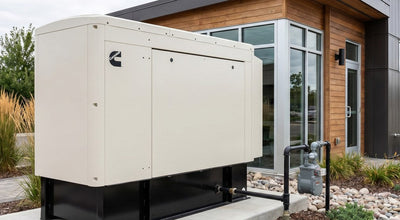
Cummins has been building commercial and industrial engines for over a century. The RS series applies that same engineering approach to residential backup power. Where Generac optimizes for dealer reach and entry-level price, Cummins optimizes for quiet operation and long-term durability.
Cummins offers three things in the RS series that distinguish it from every other brand in this comparison:
- 65 dB(A) across the entire lineup. At that level, a normal conversation on the back porch is easy while the generator runs. Every single RS model holds that noise level from the 13kW RS13A to the 20kW RS20AC.
- Wind and weather envelope. The aluminum enclosure with galvanized steel interior handles wind loads up to 180 mph. The enclosure meets national fire code clearance standards (NFPA 37) and can be installed as close as 18 inches from your home’s exterior, which matters when lot size or HOA rules limit where the unit can go [2].
- Cummins Connect remote monitoring. From any phone or laptop, check generator status, review runtime history, adjust exercise schedules, and trigger a manual test run from anywhere with a data connection.
Cummins RS13A: Entry Point for Most Homes
The RS13A delivers 13 kilowatts on both natural gas and propane with no derating between fuels. The QSJ999G V-twin overhead valve engine is purpose-built for residential standby duty. Standard operating range runs 0 to 122 degrees Fahrenheit. Add the optional cold weather kit and it extends to -40 degrees F. For homeowners in Minnesota, Wisconsin, or the Rocky Mountain west, that extension is the spec that determines whether the generator starts in January. Generac does not publish a comparable cold-weather limit for the Guardian 13kW.

Cummins RS17A: Right-Sized for 2,500 to 3,500 Square Feet
The RS17A steps up to 17 kilowatts with 34 kVA of motor-starting capacity. The optional intelligent load management system controls up to four separate circuits independently and automatically sheds a non-essential load when a high-draw appliance starts, then restores it when capacity is available. Homes with two HVAC zones, a workshop, or a well pump benefit most from that active management. Same 65 dB(A) noise level as the RS13A, same 5-year warranty, same Cummins Connect monitoring.

Cummins RS20AC: Whole-Home Coverage with Transfer Switch Included
The RS20AC runs at 20 kilowatts on natural gas or propane and ships with a 200-amp automatic transfer switch in the package. That transfer switch normally runs $800 to $1,500 when purchased separately. The RS20AC bundle simplifies both the contractor quote and installation day. For most homes over 2,500 square feet with a single HVAC system, the RS20AC provides whole house coverage, and the package pricing gives you peace of mind knowing the full system is matched and warranted together.


Briggs & Stratton PowerProtect Series
Briggs & Stratton has been manufacturing engines in the United States for over 110 years. The PowerProtect series is built around two priorities that directly address Generac’s known limitations: natural gas performance and warranty length.
NGMax technology is the core differentiator. Most standby generators, including Generac models, produce 10 to 15 percent less output on natural gas than on propane because natural gas has lower energy density per cubic foot, according to the U.S. Energy Information Administration, according to the U.S. Energy Information Administration. On the PP22, the result is equal output on both fuels at 22 kilowatts. A Generac Guardian 22kW produces roughly 20 kilowatts on natural gas under rated conditions. That 2-kilowatt gap on NG is the NGMax advantage in practice.
InfoHub monitoring connects through a cellular network rather than Wi-Fi. That distinction matters during power outages when your internet router may be down. Generac’s Mobile Link and Cummins Connect both rely on your home Wi-Fi. For homeowners who travel or manage remote properties, cellular-based monitoring is more reliable in the conditions that trigger outages.
Briggs & Stratton PP13: The Compact Option
The PP13 measures 28.5 by 25.5 by 37.6 inches, which is 39 percent smaller than most competing 13kW models. Homeowners with tight side yards, setback restrictions, or HOA rules about equipment visibility will find this is the most space-efficient option in this generator comparison. It delivers 13 kilowatts on propane and 11.5 kilowatts on natural gas with 37 kVA motor-starting capacity.
Two features stand out on the PP13. The Eco-Cise weekly self-test runs for 16 seconds instead of the typical 12-minute exercise cycle most generators require. This means less noise disruption for you and your neighbors every week. And the 6-year comprehensive warranty covers parts, labor, and service calls with no out-of-pocket costs. Generac’s standard residential warranty is 5 years. That extra year matters when the generator first sees extended use during a multi-day power outage.

Briggs & Stratton PowerProtect PP13 13kW Home Standby Generator
$4,535.00
Shop NowBriggs & Stratton PP22: Mid-Range Whole-Home Power
The PP22 runs at 22 kilowatts on both natural gas and propane, making it one of the strongest natural gas performers at this output level. The 45 kVA motor-starting capacity handles two HVAC zones, a well pump, and kitchen appliances starting simultaneously without hesitation.
At 68 dB(A), the PP22 runs three decibels louder than the Cummins RS models. That is audible but not disruptive during the day. For homes where the generator pad is not adjacent to a bedroom window, that level is acceptable. Six-year comprehensive warranty, InfoHub cellular monitoring, and Eco-Cise weekly self-test are standard across the PowerProtect line. These generators are known for reliable starts in residential areas where extended power outages are common.

Briggs & Stratton PP26: Maximum Coverage, Longest Warranty
The PP26 is the top of the air-cooled residential standby market. It delivers 26 kilowatts on propane and 24 kilowatts on natural gas. At 65.5 kVA motor-starting capacity, it handles any residential load without load shedding. It does this at 65 dB(A), quieter than the PP22 despite producing significantly more power.
The 7-year comprehensive warranty covering parts, labor, and service is the longest coverage on any air-cooled standby generator available today. Generac’s Guardian series carries a 5-year standard warranty. That 2-year gap, across a 20-year generator lifespan, means two additional years of covered maintenance costs during the period when wear is most likely to first appear. For large homes and homeowners who want maximum peace of mind, the PP26 is the answer.

Head-to-Head: Where Each Brand Wins
Noise: Cummins Wins
65 dB(A) across every RS model. The PP13 and PP26 also hold 65, but the PP22 runs at 68. Generac Guardian and Kohler RCA models both operate at 66 to 69 dB(A) depending on load and model. For noise-sensitive neighborhoods, Cummins has no equal in this four-brand comparison.
Warranty: Briggs & Stratton Wins
PP26 at 7 years. PP13 and PP22 at 6 years. Cummins RS, Generac Guardian, and Kohler RCA all at 5 years. B&S leads the field on every model it makes. Fewer out-of-pocket maintenance costs during the extended coverage period.
Cold Weather Performance: Cummins Wins
The RS series cold weather kit extends certified operation to -40 degrees F. No PowerProtect model and no Generac Guardian model publishes a comparable cold-weather rating. For northern states and high-altitude regions, Cummins is the only brand in this comparison with a tested specification. Generators tend to fail hardest in the conditions when you need them most.
Natural Gas Output: Briggs & Stratton Wins
NGMax delivers equal output on natural gas and propane on the PP22 and PP26. Generac derates 10 to 15 percent on NG. For natural gas homes that want every kilowatt from their fuel line, the PowerProtect series is the clear choice at the mid and upper range. Cummins RS13A also shows strong NG performance with equal output on both fuels at the 13kW level.
Remote Monitoring: Briggs & Stratton Wins
InfoHub runs on cellular. Cummins Connect and Generac Mobile Link both require your home Wi-Fi. During storm-related power outages, when routers go down, InfoHub keeps working. Cellular wins on reliability in the conditions that trigger outages in the first place.
Price and Dealer Access: Generac Wins
The Generac Guardian 13kW starts roughly $800 to $1,000 below comparable Cummins and B&S models. Generac also has the widest authorized dealer network in the country. In rural areas where Cummins and B&S service options are limited, Generac’s reach is a genuine advantage that outlasts the warranty period.
Commercial Heritage: Kohler
No brand in this comparison has deeper commercial and industrial generator roots than Kohler. If you have seen a large standby unit outside a hospital, a data center, or a commercial facility, there is a reasonable chance it carries the Kohler name. The RCA series carries that commercial-grade manufacturing standard into a residential package. For homeowners who place high value on commercial-grade track record, Kohler is the choice. For most residential buyers, noise levels, warranty length, and dealer access will outweigh the brand legacy.
What Installation Actually Costs
The generator price is a fraction of what you will spend. Installation typically adds $3,000 to $8,000 depending on your location, the complexity of the gas line run, and whether a new concrete pad is required. This cost applies equally to Cummins, Briggs & Stratton, and Generac. The labor and infrastructure cost does not change based on which brand sits on the pad.
- Automatic transfer switch: $500 to $2,500 depending on amperage. The Cummins RS20AC includes a 200-amp ATS in the base price, eliminating this line item from your installation quote.
- Licensed electrician: $1,500 to $3,000 for panel work, transfer switch installation, and wiring to the generator pad.
- Gas line work: $300 to $1,500. Short runs from an existing meter are straightforward. Long runs or low-pressure lines require more work and a licensed gas contractor. They are often a separate company from the electrician.
- Concrete pad: $300 to $800. Required by most local codes. All brands ship on a skid but need a poured concrete pad for permanent installation.
- Permits: $100 to $500, varies by municipality.
Total installed range, equipment included: $7,000 to $14,000. Get three quotes from licensed contractors before committing. Choosing the right generator installer matters as much as choosing the right generator brand. Look for contractors who are authorized by the manufacturer and have completed installs in your area.
How to Size Your Generator
Your electrician determines the right generator size through a load calculation. That said, here is the working framework most installers use when assessing home power requirements.
- Essential circuits only, not whole-home: 8 to 13kW. Covers lighting, refrigerator, one HVAC zone, standard outlets, and a well pump. PP13, RS13A, or Generac Guardian 13kW territory.
- Whole-home coverage, single HVAC system: 17 to 20kW. RS17A or RS20AC. Covers everything running at reasonable simultaneous load without shedding.
- Large homes, multiple HVAC zones, high total load: 22 to 26kW. PP22 or PP26. No load shedding required regardless of what starts. Generac Guardian 22kW competes in this range.
One consistent observation from contractors: homeowners who buy a 13kW generator frequently wish they had bought a 17kW. Transfer switch and installation cost almost the same regardless of generator size. When selecting the right generator, buy one size larger than your current load calculation suggests. The power needs of most homes grow over time.
Scenario: Summer Heat Wave, Day 2
It is 102 degrees outside and the grid has been down for 36 hours. The air conditioning compressor kicks on for the fourth cycle this hour. In a home with a Briggs & Stratton PP22 on natural gas, the generator holds its full 22kW output without derating. Across town, a Generac Guardian 22kW on the same fuel line delivers closer to 20kW, and the homeowner has already turned the thermostat up two degrees to reduce load.
Two streets over, a Cummins RS17A runs at 65 dB(A), quiet enough that the neighbor does not notice it at all. Meanwhile, the Kohler RCA owner calls for service and finds the nearest authorized residential technician is 90 minutes away.
Every brand keeps the lights on. The differences show up in comfort, noise, and the phone call you make when something needs attention during a five-day outage. Warranty length determines who pays for that call.
Which One Should You Buy
- Noise-sensitive neighborhood, close neighbors, bedroom-adjacent installation: Cummins RS13A or RS17A. The most consistent noise levels in this category at 65 dB(A) across the entire lineup.
- Cold climate, winters below 0 degrees F are a real concern: Cummins RS series with the cold weather kit. The -40 degree F certified rating is not available on any PowerProtect or Generac Guardian model.
- Natural gas home, want maximum NG output without derating: Briggs & Stratton PP22 or PP26. NGMax delivers equal output on natural gas and propane. Generac generators are known to derate 10 to 15 percent on NG.
- Large home, maximum coverage, longest warranty in the class: Briggs & Stratton PP26. 26kW output, 65.5 kVA motor-starting, 7-year comprehensive warranty. No air-cooled residential generator covers more ground with more peace of mind.
- Tight installation space or HOA footprint restrictions: Briggs & Stratton PP13. 39 percent smaller than most 13kW competitors including the Generac Guardian 13kW.
- Simplest installation with transfer switch included: Cummins RS20AC. 200-amp ATS in the base package eliminates one line item from your contractor quote.
- Price is the primary driver and Generac dealer is local: Generac Guardian 13kW or 22kW. Affordable options with the widest service network of any residential brand. Real trade-offs on noise levels, NG output, and warranty length apply.
The Bottom Line
No single brand wins every category in this four-way comparison. Cummins delivers the quietest operation at 65 dB(A) across every RS model and the only certified cold-weather rating at -40 degrees F. Briggs & Stratton leads on warranty length (up to 7 years on the PP26), natural gas performance through NGMax, and cellular-based monitoring that works when your Wi-Fi does not. Generac offers the lowest entry price and the widest dealer network in the country. Kohler carries genuine commercial heritage but trails the field on residential dealer access and noise levels.
The right choice depends on your priorities. If you live in a cold climate, Cummins is the only tested option. If your home runs on natural gas and you want every kilowatt from the fuel line, Briggs & Stratton PP22 or PP26 is the answer. If budget drives the decision and a Generac dealer is down the road, Guardian models are capable units at a lower price point. Trade-offs exist with every brand. The goal is to match the right generator to your home, your climate, and your tolerance for compromise.
Start with three quotes from licensed installers in your area. Confirm the unit you want is in stock. The window between one outage and the next is the only time you have to make this decision without pressure.
The homeowner who called the electrician at 11pm after three days without power did not regret the decision. No one who installs a whole-home standby generator wishes they had waited another season. You have done the research. You know which spec matters for your home. The next step is getting three quotes from licensed installers and confirming the unit is in stock. The time between an outage and the next one is the only window you control.
If you still have questions, here are the ones contractors and customers ask most often.
References
- U.S. Energy Information Administration. "Natural Gas Explained." eia.gov
- National Fire Protection Association. "NFPA 37 Standard for Stationary Combustion Engines." nfpa.org
- Briggs & Stratton Energy Solutions. "PowerProtect Home Standby Generator Specifications." energy.briggsandstratton.com
- Cummins. "Quiet Connect Home Standby Generators." cummins.com
- Generac Power Systems. "Guardian Series Home Generator Specifications." generac.com
- Kohler Home Energy. "Home Generator Systems." kohlerhomeenergy.com
- U.S. Department of Energy. "Backup Power Systems for Homes." energy.gov
Frequently Asked Questions
Is Cummins better than Generac for a home standby generator?
For noise-sensitive installations and cold climates, yes. Cummins RS models run at 65 dB(A) across the entire lineup, which is quieter than most Generac Guardian models. The Cummins cold weather kit extends certified operation to -40 degrees F, a specification Generac does not publish for its Guardian air-cooled line. For home generator buyers where price and dealer access are the primary drivers, Generac has lower entry-level pricing and a wider service network.
Is Briggs and Stratton better than Generac?
On warranty length and natural gas performance, yes. The PowerProtect PP13 and PP22 carry 6-year comprehensive warranties and the PP26 carries 7 years. Generac's standard residential warranty is 5 years on parts and labor. Briggs & Stratton NGMax technology also delivers equal output on natural gas and propane, while Generac models typically derate 10 to 15 percent on NG. For buyers who run natural gas and want the longest warranty in the class, Briggs & Stratton wins both categories.
How does Kohler compare to Cummins, Briggs and Stratton, and Generac?
Kohler builds quality standby generators through its RCA residential air-cooled series, drawing on a long history in commercial and industrial power generation. At the residential level, Kohler generators carry a 5-year warranty (matching Generac and Cummins, trailing Briggs & Stratton), run at approximately 67 to 69 dB(A) (louder than Cummins), and connect via Wi-Fi monitoring similar to Generac. The primary limitation for most residential buyers is dealer coverage: Kohler's residential installer and service network is considerably thinner than Generac's in most markets. Before choosing Kohler, confirm an authorized service dealer is within a reasonable distance. For residential applications under 30kW, Cummins and B&S offer more targeted product lines with stronger residential service networks in most areas.
How much does a Cummins generator cost versus Generac?
The Cummins RS13A starts at $4,385 for the generator alone. A comparable Generac Guardian 13kW runs roughly $3,400 to $4,000. That $400 to $1,000 gap narrows when you factor in installation, since both require the same transfer switch, electrician, gas line work, and permits. Spread over 20 years of ownership, the premium for the Cummins comes out to under $50 per year. Whether the quieter noise levels and cold-weather certification are worth that premium depends on your situation.
How much does it cost to run a home standby generator on natural gas?
A 13kW generator running at 50 percent load consumes roughly 80 to 100 cubic feet of natural gas per hour. At average US natural gas prices of around $1.30 per therm (100 cubic feet), that works out to roughly $1.05 to $1.30 per hour. A 20kW unit at 50 percent load runs closer to $1.60 to $1.80 per hour. These operating costs are minimal compared to the value of avoiding food loss, property damage, and medical equipment failure during a power outage.
Does a standby generator add value to my home?
Real estate data consistently shows home backup generators add 3 to 5 percent to resale value in markets where power outages are common. In hurricane zones and areas with frequent winter storms, buyers actively search for homes with installed backup power. In some states, installed standby power also qualifies for homeowners insurance discounts by reducing the risk of freeze damage, water intrusion, and medical equipment failure during outages.
Is Briggs and Stratton a good generator brand for whole-home backup?
Yes. The PowerProtect series is purpose-built for whole-home automatic standby use. The 6 and 7-year warranties are the strongest in the air-cooled residential category, and the Vanguard Commercial-Grade engine powering every PowerProtect model is manufactured in the United States. Generators are often judged by warranty length as a proxy for long-term reliability, and Briggs & Stratton leads the residential class on that measure.
How long do home standby generators last?
With annual maintenance, a reliable generator from Cummins, Briggs & Stratton, or Generac is built to last 20 to 30 years. The limiting factor is almost always neglected maintenance, not engine life. Annual service covers oil and filter change, air filter inspection, spark plug check, battery test, and a full systems check. Typical dealer service cost runs $150 to $300 per year through an authorized dealer, and warranty coverage eliminates most of that expense during the first 5 to 7 years of ownership.
What is the difference between a standby generator and a portable generator?
A standby generator is permanently installed, monitors utility power continuously, and starts automatically within seconds of detecting an outage. A portable generator requires manual setup, an extension cord or transfer switch, and a fuel supply you manage yourself. Standby generators run on your home's existing natural gas or propane line with no fuel to buy, store, or rotate. For homeowners who have been through a multi-day power outage, the difference is not convenience. It is the difference between a real backup generator system and an emergency workaround that demands your attention at 2am.