
Save $174.00
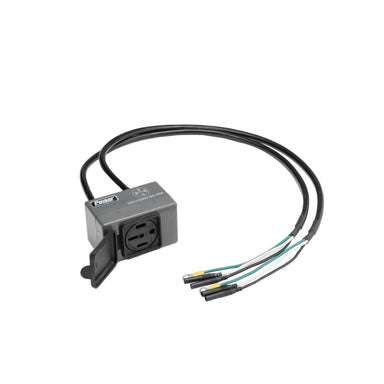
SaleOnan P11000iTF Tri-Fuel Inverter Generator Built for Extended Power Outages The Onan P11000iTF tri-fuel inverter generator is designed for people w...
View full detailsHigh-output generators for contractors and job sites. Gas, dual-fuel, and tri-fuel from Cummins, Simpson, Pulsar, and Ford.
Job site power comes down to total load, number of tools running at once, and fuel access on site. Start with your heaviest tool.
Circular saws, nail guns, and compressors. A 5,000W unit covers a standard framing crew.
$849 – $1,200
Shop 5,000W–8,000WCompressors, welders, and HVAC equipment need 9,500W or more to start clean.
$1,272 – $2,424
Shop 9,000W–12,000WRun on gas, propane, or natural gas. Stay running when the gas station is 10 miles away.
$873 – $2,757
Shop Dual & Tri-FuelRunning multiple crews or trades at once? Size up to 12,000W or use two generators in parallel.
$2,424 – $2,757
Shop 12,000W+Need power at the job site and at home? Many job site generators double as home backup.
$4,385 – $6,863
Shop Home StandbySilent, no-fumes power for indoor finish work, sensitive tools, and enclosed spaces.
$599 – $3,999
Shop Battery StationsHand-Picked For You
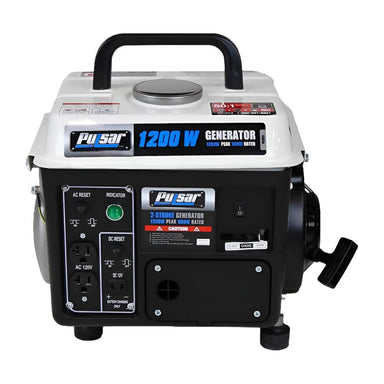
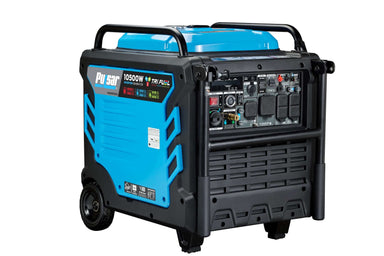
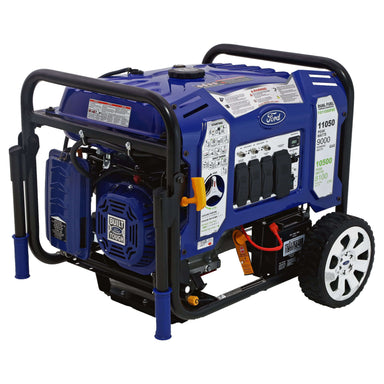
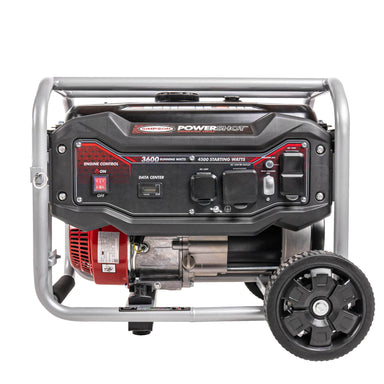
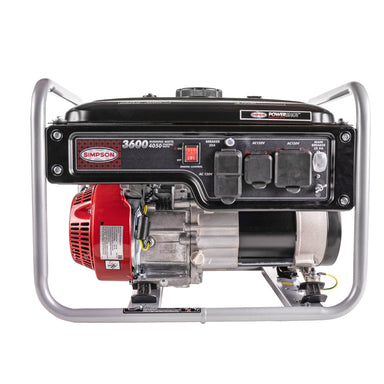
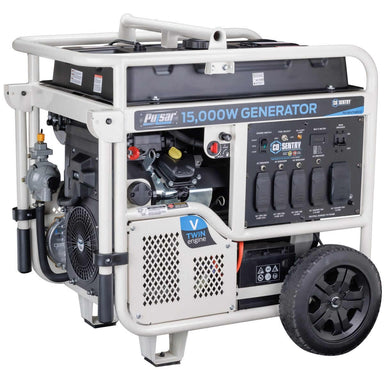
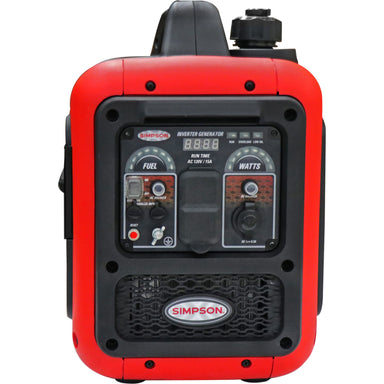
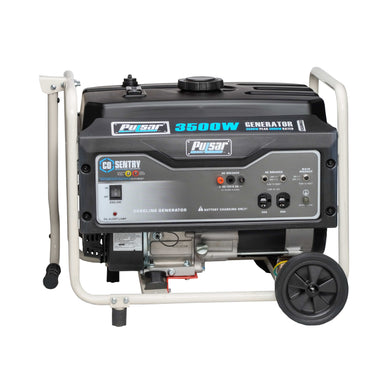
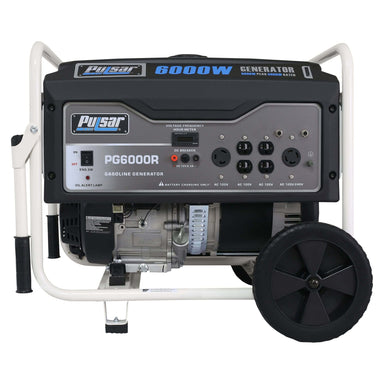
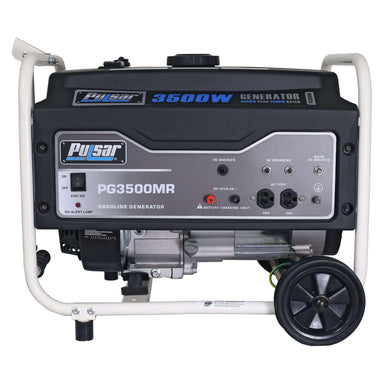
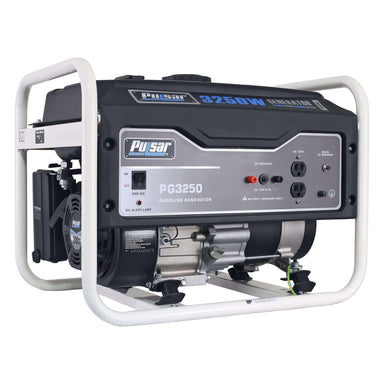
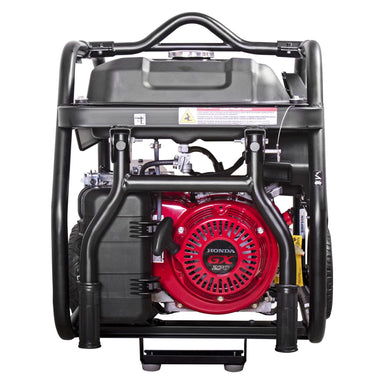
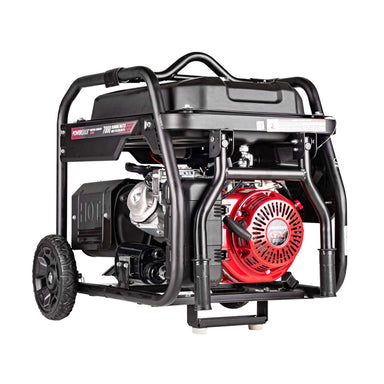
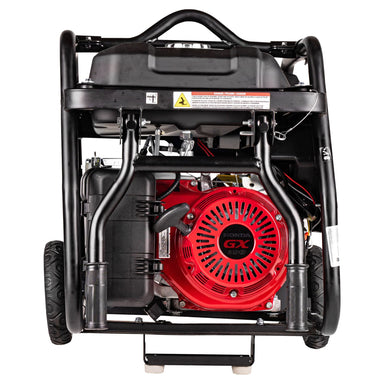
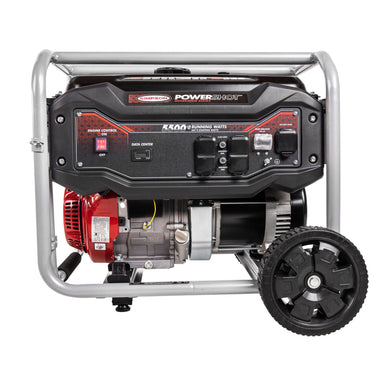
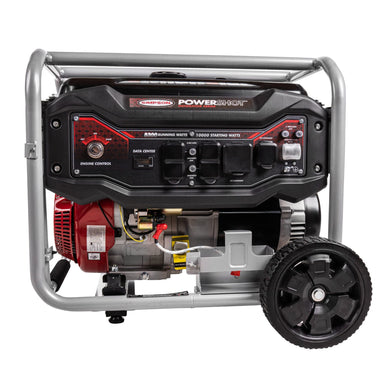
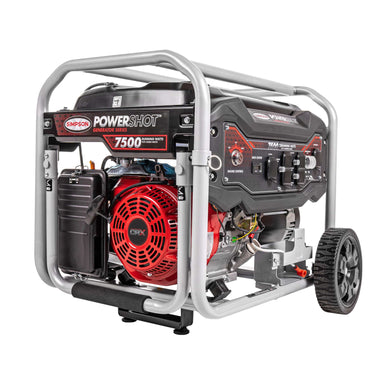
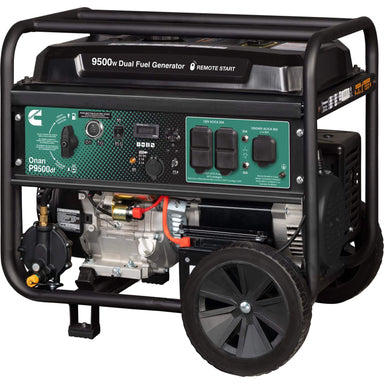
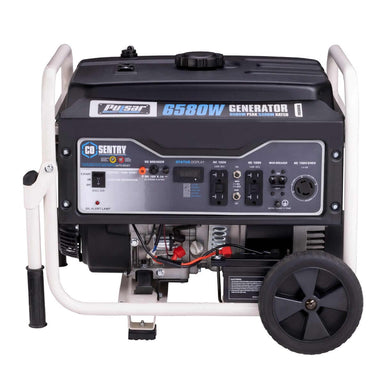
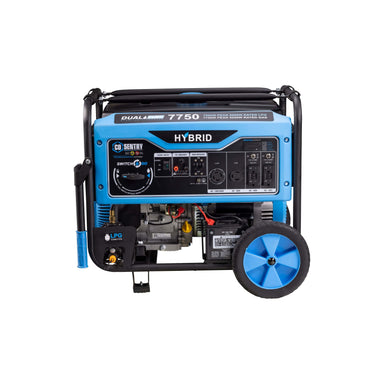
Four generators sized for the most common job site loads. Not sure what size you need? Call or chat - our team knows these machines.
Pulsar
$651.88
Simpson
$999.00
Cummins
$1,272.00
Cummins
$2,424.00
Have a question about job site power? Our team has answers. Call or chat anytime.
Start with your heaviest tool's starting wattage, then add the running wattage of everything else you plan to run at the same time. A 15-amp circular saw draws about 1,800W running and surges to 2,400W on startup. A 30-gallon air compressor draws 1,500W running and surges to 4,500W. Running both plus job site lighting puts your total starting load around 8,000W. Size your generator to handle the peak starting load, not just the running load. For most framing and finish crews, a 7,500W to 9,500W generator is the right range. Multi-trade sites or sites running welding equipment need 11,000W or more.
OSHA requires GFCI protection for all 120V, 15 and 20-amp receptacles used on construction sites. Most job site generators include GFCI outlets as standard equipment. If yours does not, you can use an inline GFCI adapter. All Simpson PowerShot and Industrial generators include GFCI outlets. Verify your local requirements before use - OSHA standards are the federal floor, and some states or municipalities have stricter requirements.
Fuel flexibility eliminates the most common job site disruption: running out of gas on a remote site. A tri-fuel generator runs on gasoline, propane, or natural gas. If the site has a natural gas line stubbed in, you can run from the line without hauling fuel. If propane is on site for heating or equipment, you have a backup. Gasoline remains the fallback. The Cummins P11000iTF is our top-rated tri-fuel unit at 11,000W.
Yes, with the right generator. A typical 140-amp MIG welder draws 2,500 to 3,000W running and surges to 4,500W on arc start. A 225-amp stick welder draws 5,000 to 7,500W. You need a generator with continuous output rated above the welder's draw, plus enough surge capacity to handle the arc start. Inverter-based generators like the Cummins P11000iTF provide stable voltage that reduces spatter and improves weld quality compared to conventional generators. Size up by at least 20% above the welder's rated draw.
Yes. Mighty Generators is an authorized dealer for Cummins, Simpson, Pulsar, Ford, and all brands we carry. Every product ships with the full manufacturer warranty. Our team can assist with warranty claims if needed. No gray market products, no fine print.
Get our free Generator Sizing Guide. Match wattage, fuel, and runtime to your home or jobsite in 5 minutes.
No spam. Unsubscribe anytime. Delivered to your inbox instantly.
Check your inbox for your free Generator Sizing Guide.